A High Level of Water Security: Rebuilding the Beaver Lake Dam
When aging infrastructure at the Beaver Lake Dam put agricultural water security at risk, the need to act became clear. Through the Agricultural Water Infrastructure Program, the dam is being rebuilt to ensure reliable water for agriculture and the surrounding community for generations to come.
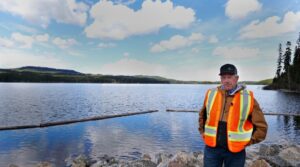
“Water is the backbone for everything we do… we’re a semi-arid desert,” says local farmer and water user Mike Mitchell. “We don’t have a whole lot of natural rainfall in our growing season, so we depend dramatically on our reservoir and the storage levels. Water is critical. It’s king.”
Agriculture is a defining part of the District of Lake Country in the Okanagan, both economically and culturally. Maintaining that legacy depends on consistent and secure access to water.
“Farming is an historically important function here,” says Mayor Blair Ireland. “But for farms to be economically viable, they need water. They need constant, regular water. They need a safe supply.”
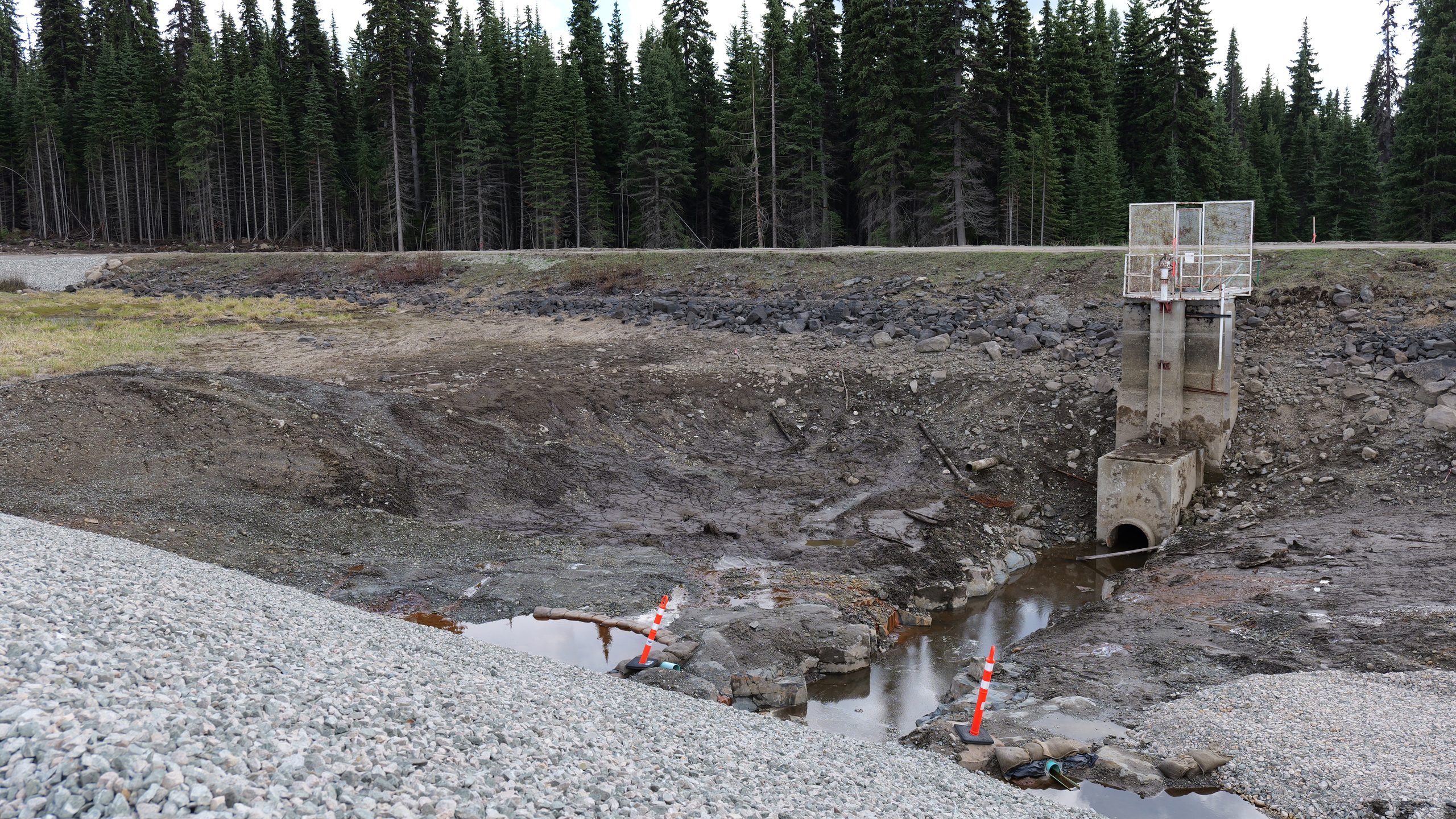
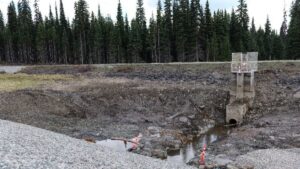
The original dam structure had reached the end of its service life, after a century of supplying water to the region. Engineering assessments identified concerns with the integrity of the previous concrete structure and its connection to the bedrock foundation. Rather than pursue short-term fixes, the decision was made to fully rebuild the dam.
“The best method forward was actually doing open-heart surgery on the dam,” says project manager Kiel Wilkie. “Replacing the concrete structure ensures long-term safety and reliability. It’s critical infrastructure that people won’t have to worry about for a long time.”
The importance of the reservoir extends beyond agriculture. During the 2023 wildfire season, the lake played a critical role in emergency response. “We were able to fight the fire without missing a beat because we had water at elevation,” says Mayor Ireland. “We didn’t need pumping—it was already there when we needed it.”
For local producers, that reliability is essential.
“This dam is my primary water source,” says Mitchell. “It provides water year-round for crops. Without water, we couldn’t produce crops or even feed livestock.”
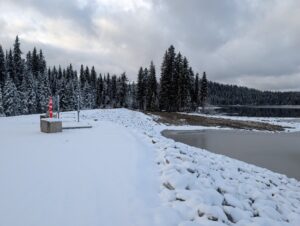
The project is also increasing the region’s overall water storage capacity. Before construction, Beaver Lake stored approximately 6.9 million cubic metres of water. Once complete, it will store 11.9 million cubic metres. That is an increase of nearly 5 million cubic metres available for agriculture.
For producers and the broader community, the investment is about more than addressing today’s challenges. “The investment in this dam isn’t just for today,” says Mitchell. “It’s about the future… and making sure the next generations of farming can continue here.”
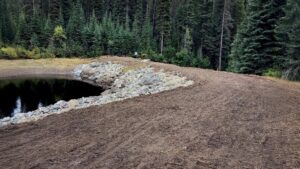
Construction on the new dam began in 2024 and is anticipated to be completed in 2028.

We gratefully acknowledge that the financial support for the Agricultural Water Infrastructure Program has been provided by the Province of British Columbia through the Ministry of Agriculture and Food. It is delivered by IAF.