At McCallum Farm on Vancouver Island, targeted riparian restoration along the Millstone River and its tributary, McClure Creek, is helping protect vital salmon habitat while supporting working agricultural lands.
Between 2024 and 2026, partners restored more than 260 metres of streambank through invasive species removal, bioengineered bank stabilization, dense native planting, and fencing to reduce livestock impacts—improving erosion control, habitat complexity, and long-term ecosystem resilience. Ongoing monitoring and adaptive management are ensuring these restored riparian areas can better withstand flooding, drought, and climate stressors while supporting species at risk
These actions were funded by the Scaling the Implementation of Riparian Restoration (SIRR) program, utilizing a Payment for Ecosystem Services (PES) model, delivered by IAF.
The riparian areas throughout this farm were selected for restoration work due to the ecological importance of the watercourses to salmon and their vulnerability to both seasonal flooding and summer drought. This farm is located the Millstone River watershed and contains a stretch of the mainstem and McClure Creek (a tributary of Millstone river). The Millstone River watershed is recognized as a watershed of importance for salmon enhancement by the Regional District of Nanaimo (Priority 1 restoration area).
In addition to salmon, the site also supports several Species at Risk, including the Dun Skipper butterfly (Euphyes vestris), Rough-leaved Aster (Eurybia radulina), and Common Wood Nymph (Cercyonis pegala).
The agricultural property produces beef and forage crops. Restoration work focused on two key areas:
- A forested reach along McClure Creek, where streambanks have been impacted by erosion and livestock access.
- A riparian field adjacent to the Millstone River mainstem, which historically lacked fencing and was subject to livestock interference within the watercourse.
Over the past year, restoration efforts have focused on improving riparian health, stabilizing streambanks, and enhancing fish habitat across these priority areas.
Millstone River: Site Assessment and Restoration Approach
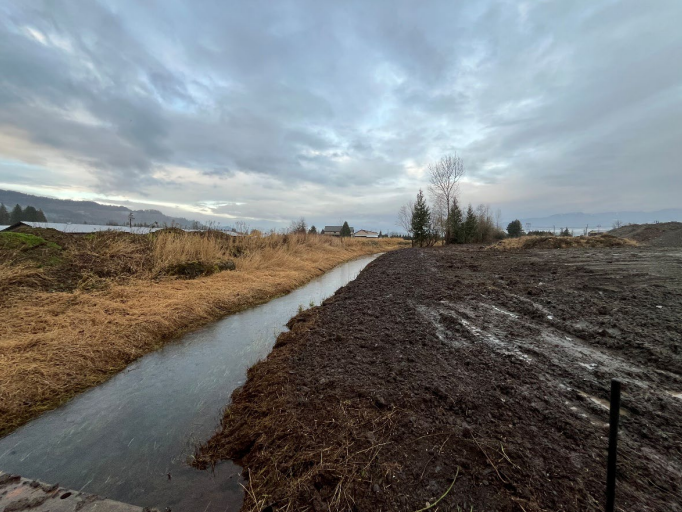
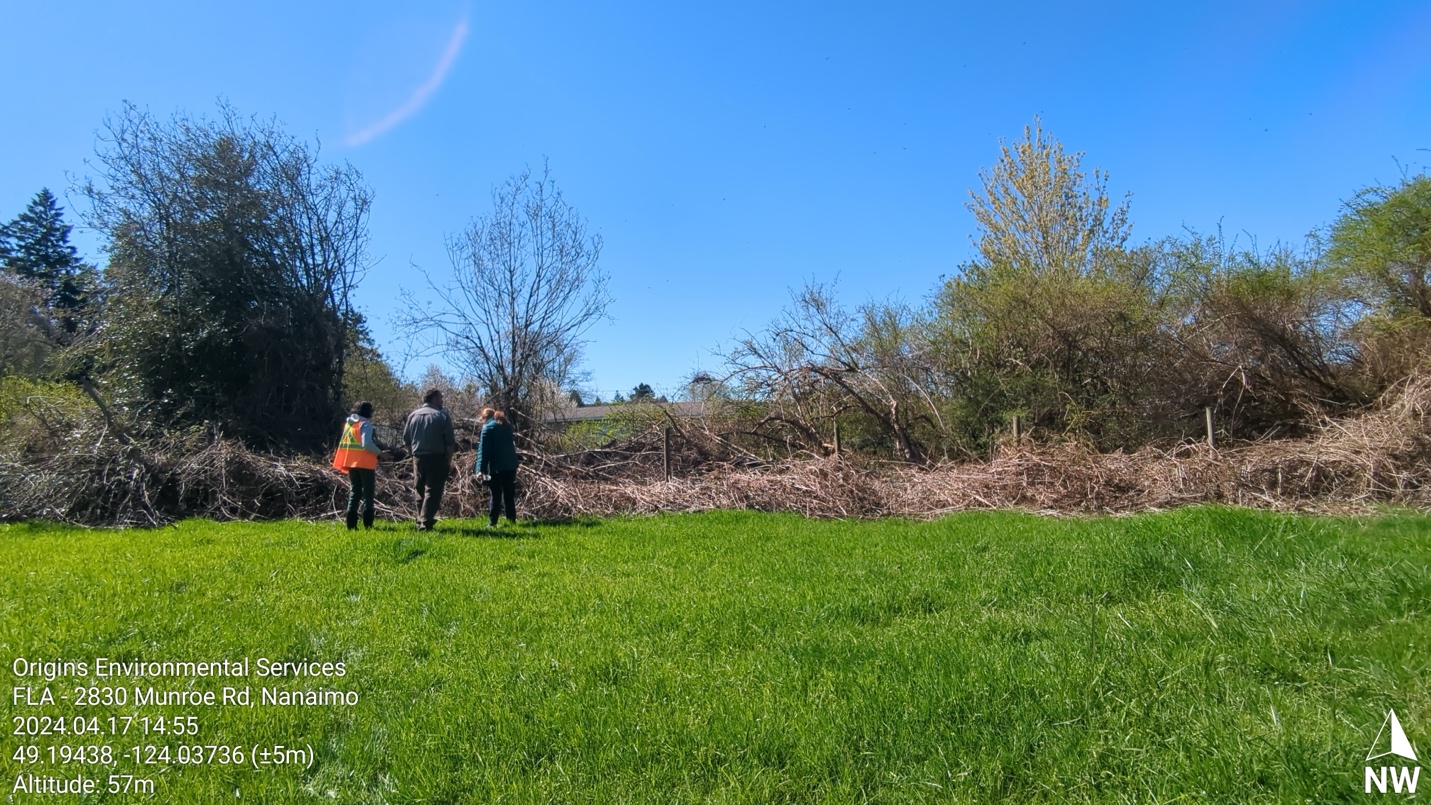
The Millstone River reach was assessed in April 2024 to evaluate fish habitat potential and identify restoration opportunities. The assessment identified several key challenges: a sloped agricultural field drains toward the riparian corridor, contributing to areas of bank undercutting. Himalayan blackberry had become heavily established along the perimeter of the reach, damaging fencing and limiting the establishment of native vegetation. In addition, canopy cover was limited in several sections, invasive species were widespread, and streambanks showed signs of instability.
Water levels within the reach were also relatively shallow (generally ess than 0.5 m), and seasonal connectivity with adjacent waterways appeared limited. While some trees had established along the banks, the riparian corridor was largely dominated by invasive blackberry.
To address these issues, the RPBio identified several restoration actions, including:
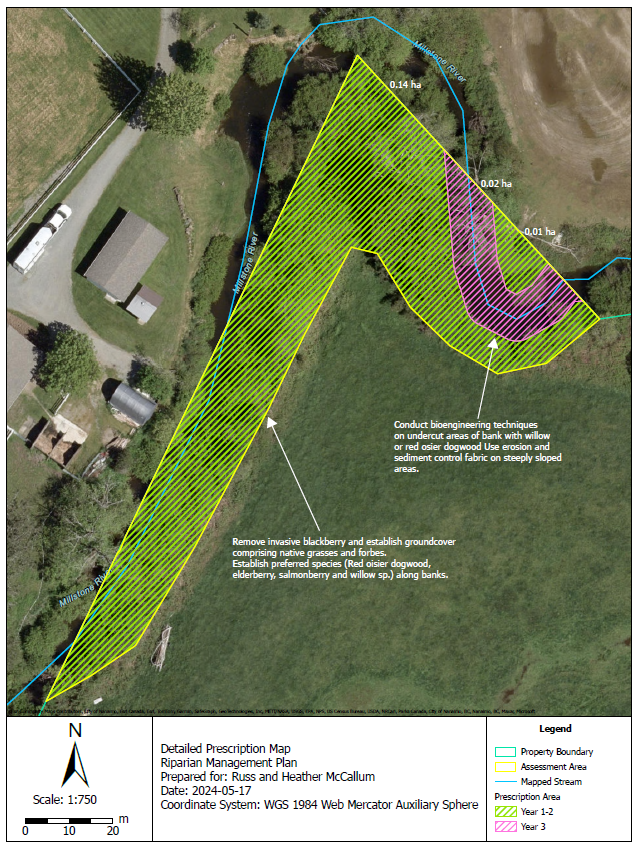
- Removal of invasive Himalayan blackberry and establishment of native groundcover composed of grasses and forbs.
- Planting of native woody riparian species, including red-osier dogwood (Cornus sericea), elderberry (Sambucus racemosa), salmonberry (Rubus spectabilis), and willow (Salix spp.) along approximately 1,600 m² of streambank.
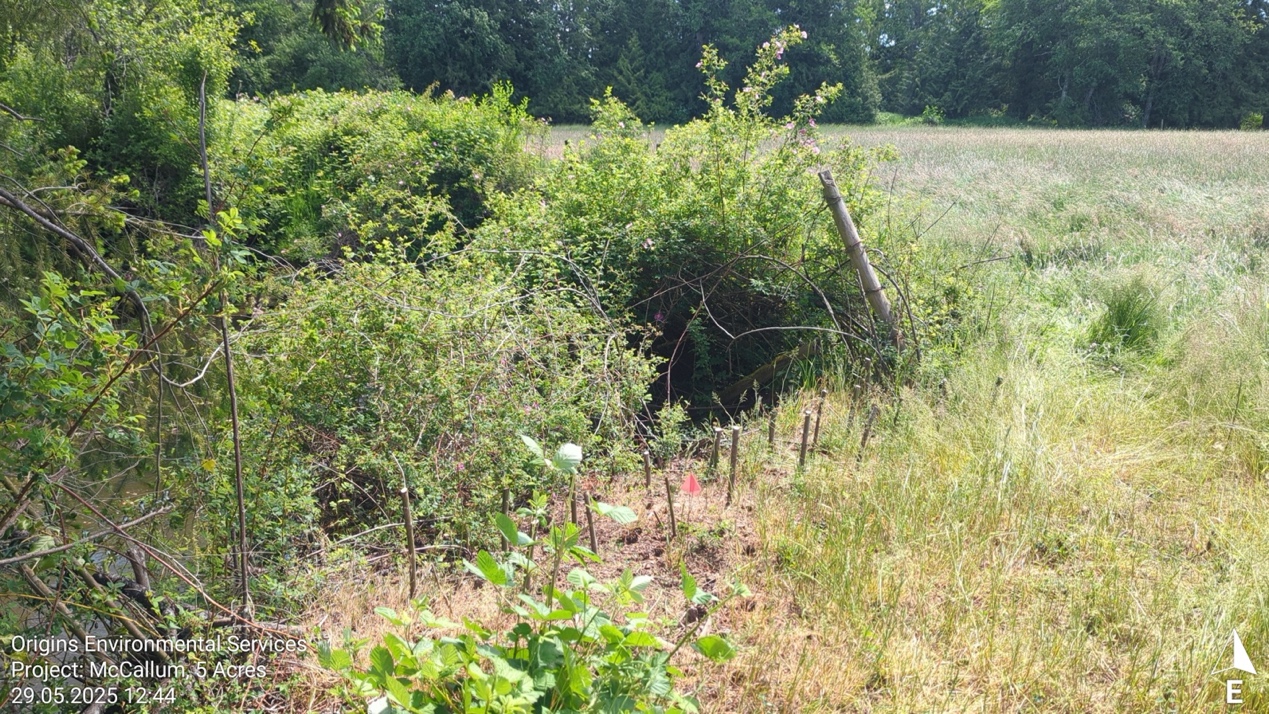
- Application of bioengineering techniques to stabilize undercut banks using live stakes of willow or red-osier dogwood.
- Installation of erosion control fabric on steep slopes to support soil stability (approximately 100 m²).
McClure Creek: Site Assessment and Restoration Approach
A second assessment conducted along McClure Creek in April 2024 revealed similar conditions. The surrounding agricultural field drains toward the creek, contributing to bank erosion and localized undercutting. Himalayan blackberry was again dominant along the riparian corridor, and damaged fencing allowed livestock to access portions of the creek.
Water levels were shallow and seasonal hydrological connectivity appeared limited. Banks were moderately unstable and invasive species were present throughout the riparian zone.
Restoration actions identified for McClure Creek included:
- Removal of invasive species within the riparian corridor.
- Establishment of native groundcover across exposed soils using grasses, forbs, and sword fern, supported by erosion control fabric on steeper slopes.
- Planting of native shrubs and trees such as willow, elderberry, and salmonberry along the streambank and floodplain.
- Naturalization of flood protection features through riprap stabilization combined with native planting.
- Relocation of fencing outside the flood-prone area to protect new plantings.
- Exploration of low-tech process-based restoration techniques to slow water flows and prevent bank undercutting.
- Targeted bioengineering treatments on steeper banks to improve long-term stability.
Restoration Work Completed
Between 2024 and 2026, restoration activities were successfully implemented across three priority areas:
- 160 linear meters of streambank restored, representing a total area of 1,000 m2 of the Millstone River mainstem,
- 100 linear meters of the McClure Creek streambank, and
- Planting along the McClure Creek riparian slope.
A collaborative working relationship was established with the landowner to determine priorities, sequence restoration activities, and coordinate access to the site.
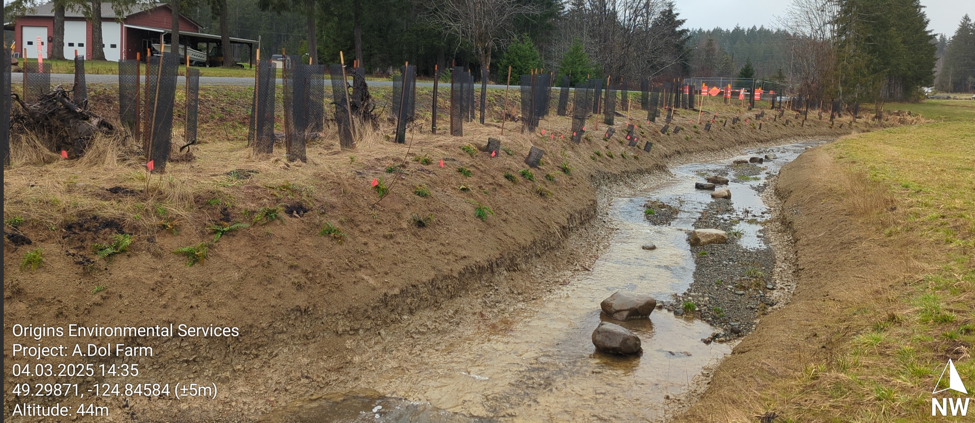
At the Millstone River mainstem, extensive removal of Himalayan blackberry was undertaken to prepare the riparian corridor for native vegetation. Over 600 native ferns, forbs, shrubs and trees were planted in high density throughout the area, while bioengineering methods were used to stabilize eroding banks along the creek. Extensive mulching and planting of open riparian areas helped accelerate riparian recovery, while permanent fencing will protect streambanks from livestock impacts. Invasive species management will continue while native vegetation becomes established.
On the McClure Creek slope, crews installed over 200 native shrubs and ferns to stabilize soils and develop root structure across a steep slope that had historically shown poor natural regeneration. This was supported by the additional seeding of native erosion control seed blends to stabilize soils and reduce erosion. Monitoring of plant survival will continue, along with dense seeding of exposed soils and adaptive erosion-control measures.
Along the McClure Creek riparian bank, crews have undertaken additional invasive species removal and supplemental planting upstream of earlier restoration work. Temporary fencing was installed to protect riparian vegetation and support plant establishment, with the goal of improving fish habitat conditions and enhancing long-term creek stability.
Across all restoration areas, planting efforts are focused on erosion-prone and low-vegetation zones, supported by fencing and protective measures to ensure long-term riparian function, habitat quality, and ecosystem resilience.
All treatment areas have been reinforced with heavy mulching, helping conserve soil moisture, suppress invasive species regrowth, and support the establishment of a diverse native riparian plant community.
Phase 2 of Restoration
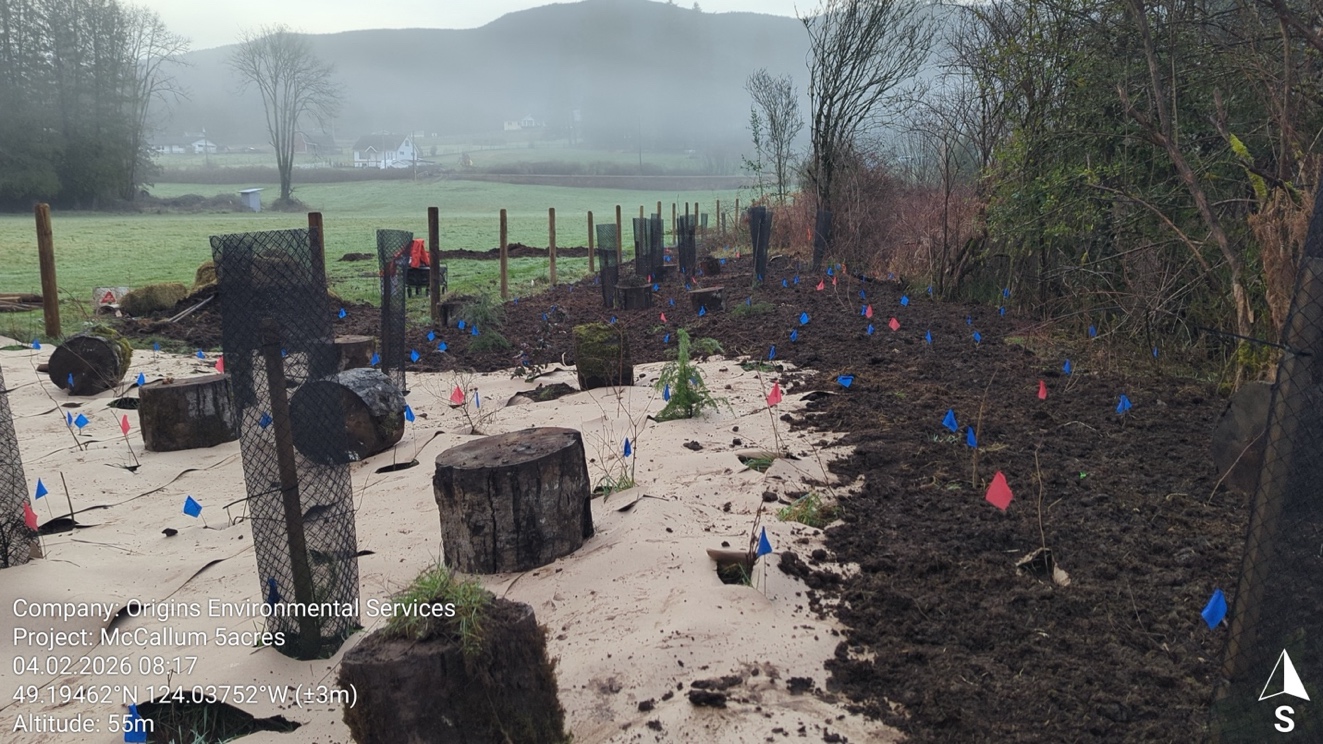
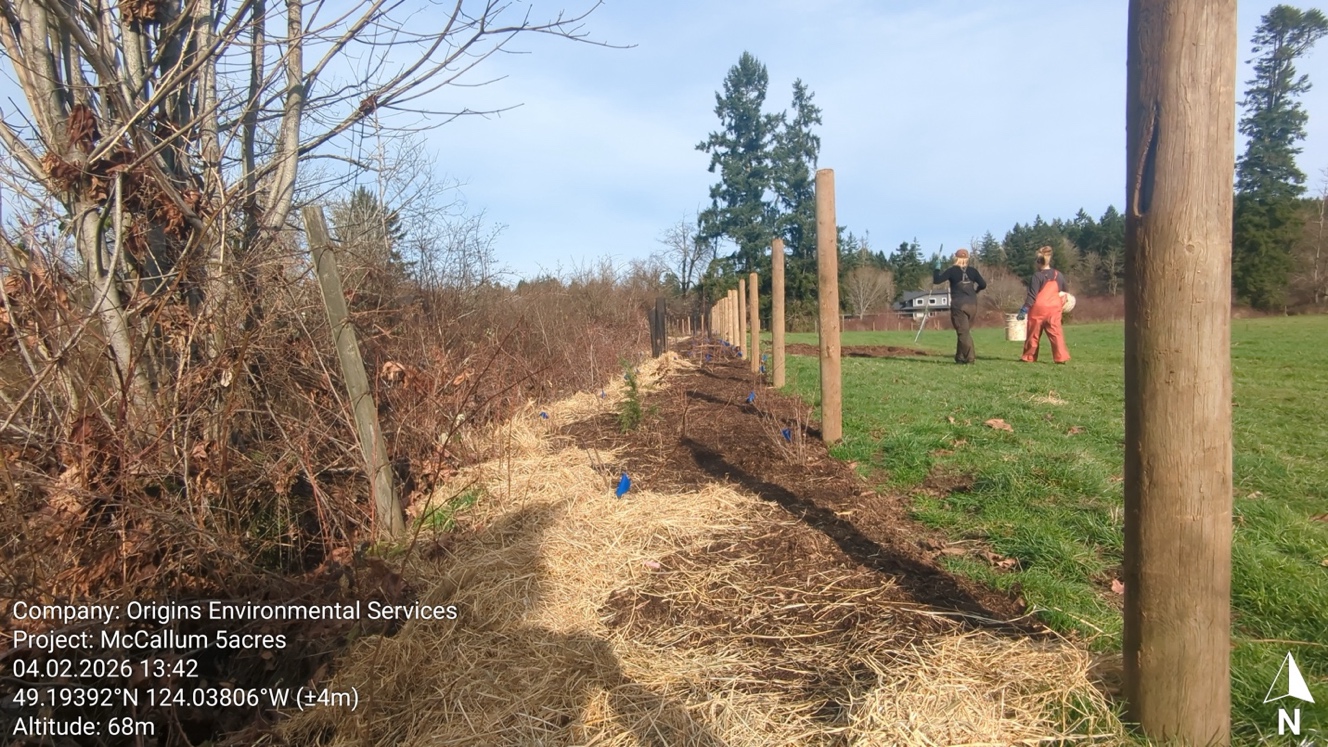
Millstone River riparian area was planted with over 500 native plants. Woody debris were scattered on the site to increase habitat complexity; invasive species barrier were applied to the site as well as mulch to promote plant survival. Photo shows Millstone River site looking upstream post restoration. February 2026.
Phase 1 of Restoration
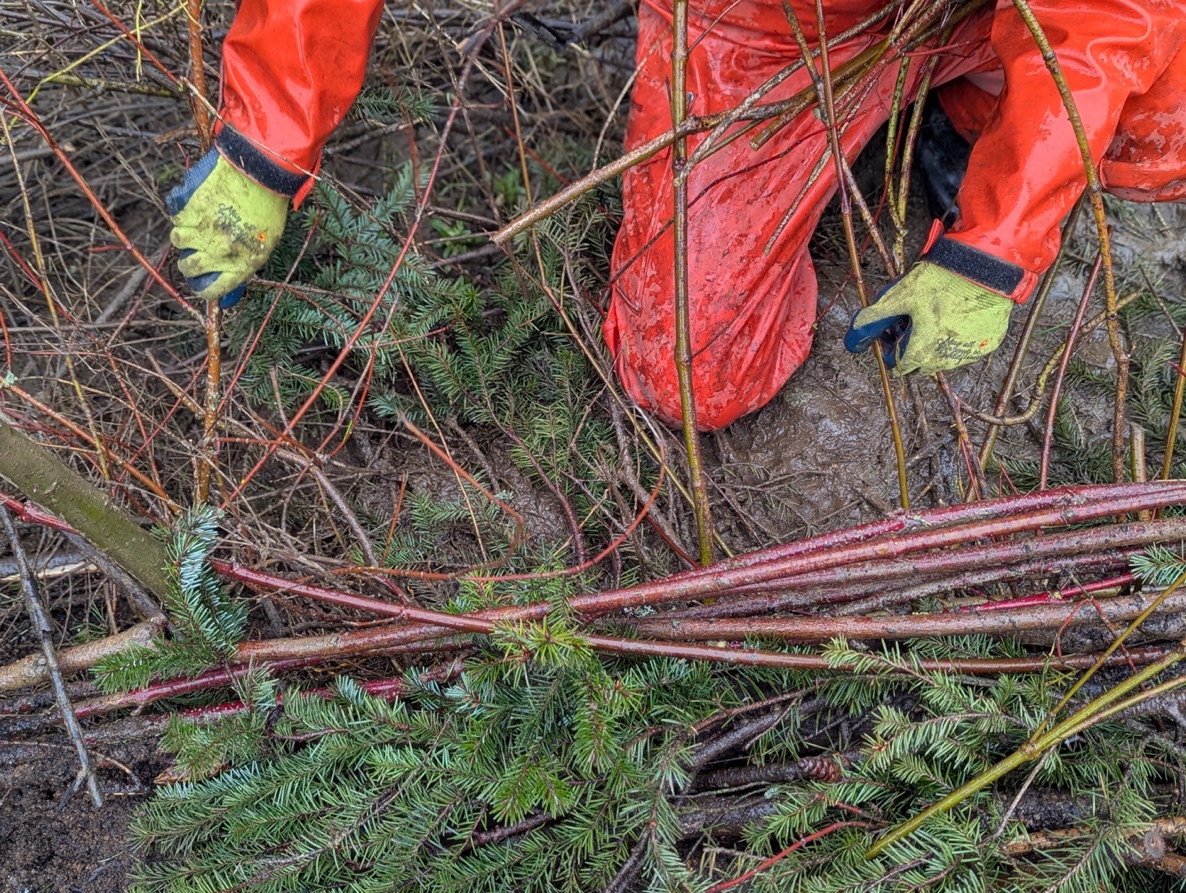
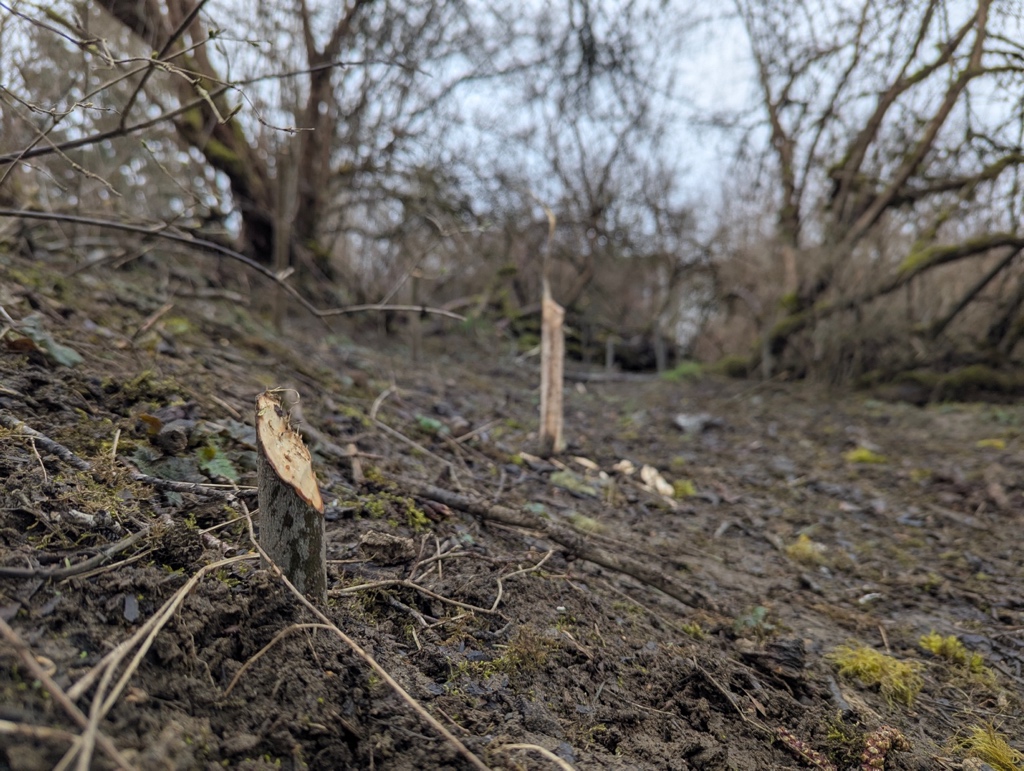
Live-staking and installation of bioengineered wattle fence to reduce erosion and promote bank stability along the Millstone River. April 2025.
Phase 1 of Restoration
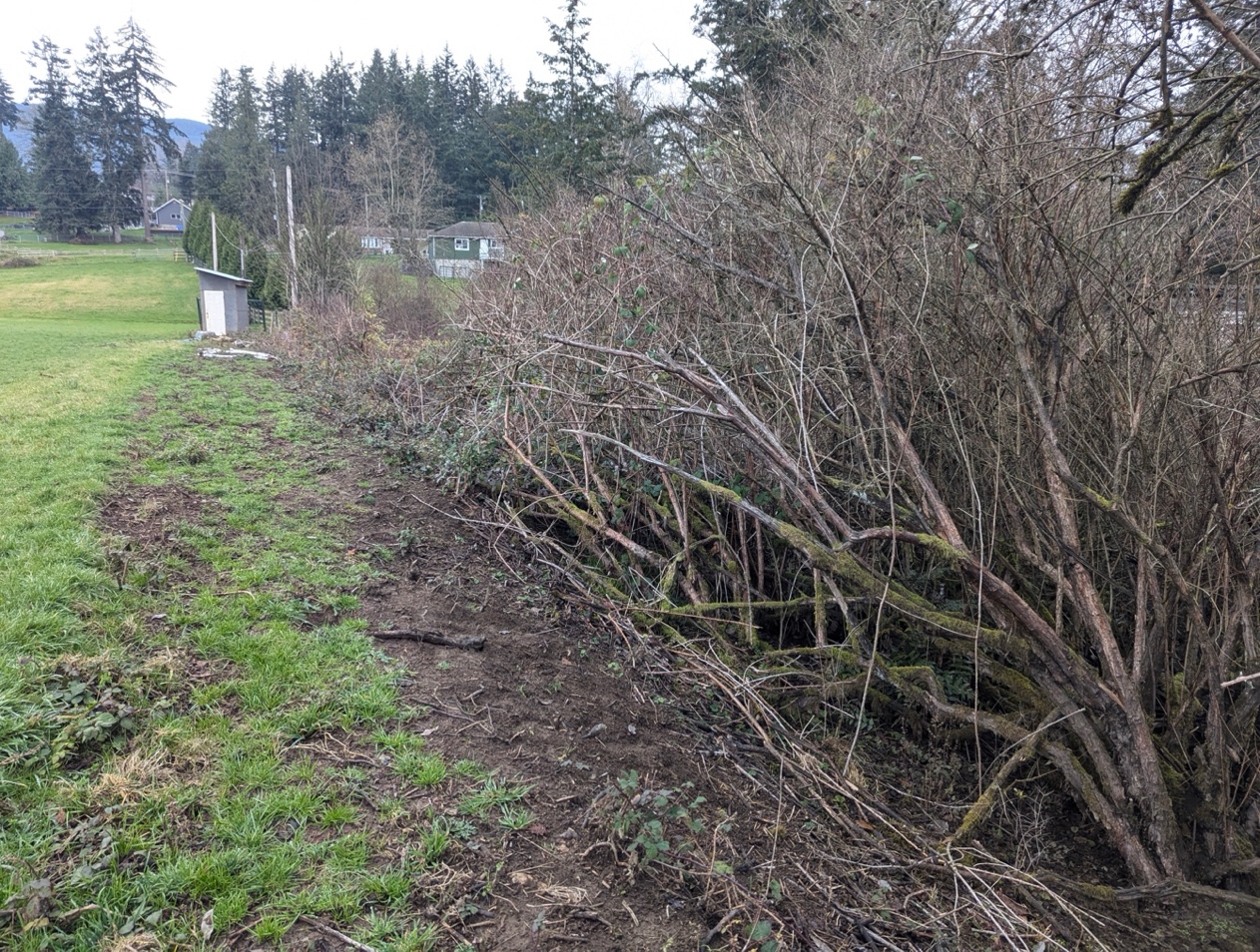
Removal of thick blackberry thickets along the bank (top and bottom pictures). Feb 2025.
Phase 2
Monitoring of plant survival shows active beaver activity in the river. 2025.
Phase 1 of Restoration
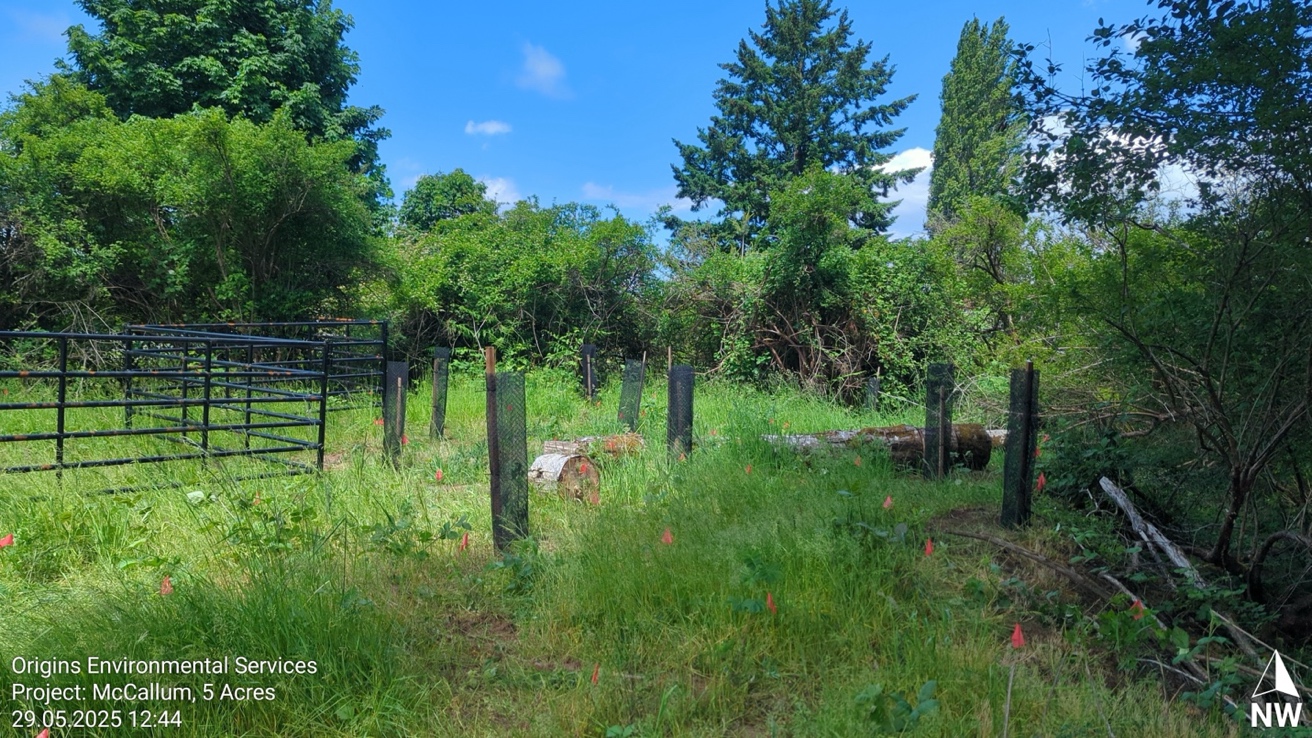
Planting of a first section of riparian area along Millstone River, after the removal of Himalayan blackberry was completed. April 2025.
Post-Restoration
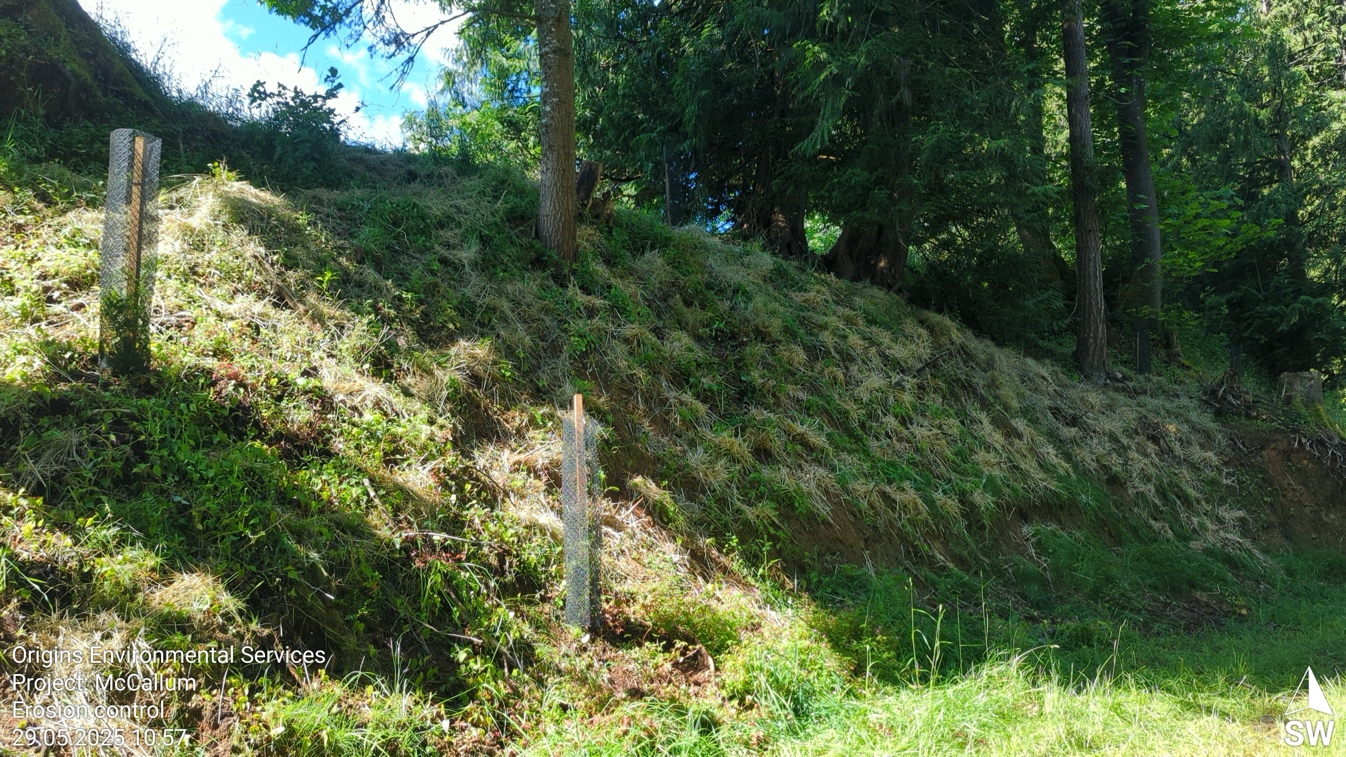
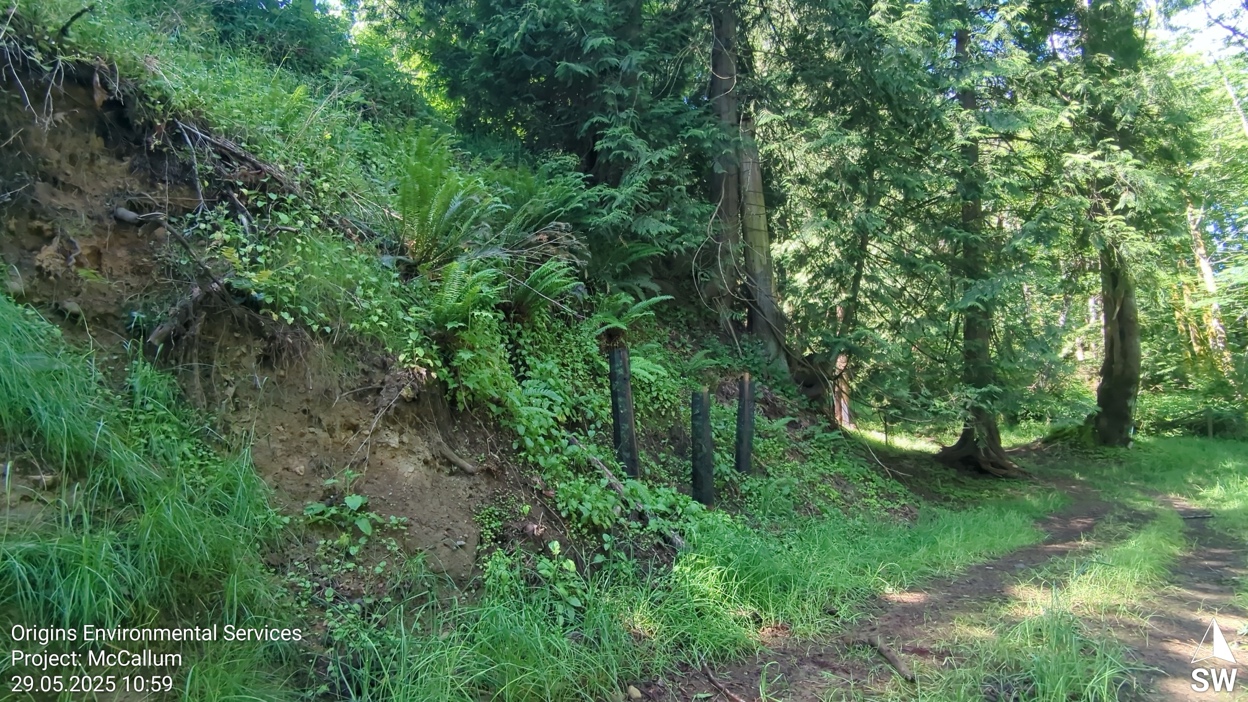
McClure Creek and its adjacent slope restored through dense planting and seeding of native ferns, shrubs and forbs. A layer of mulch was applied to retain moisture in this challenging environment.
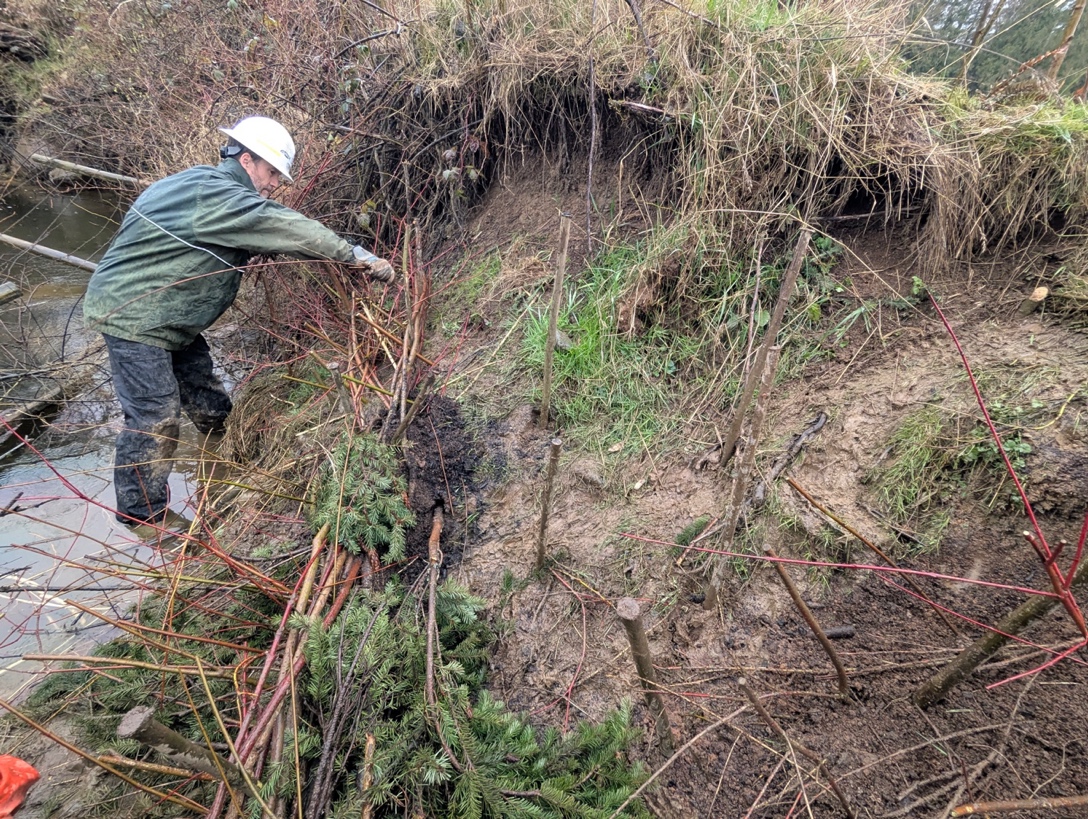
Phase 1 of Restoration
Live-staking and installation of bioengineered wattle fence to reduce erosion and promote bank stability along the Millstone River. April 2025.
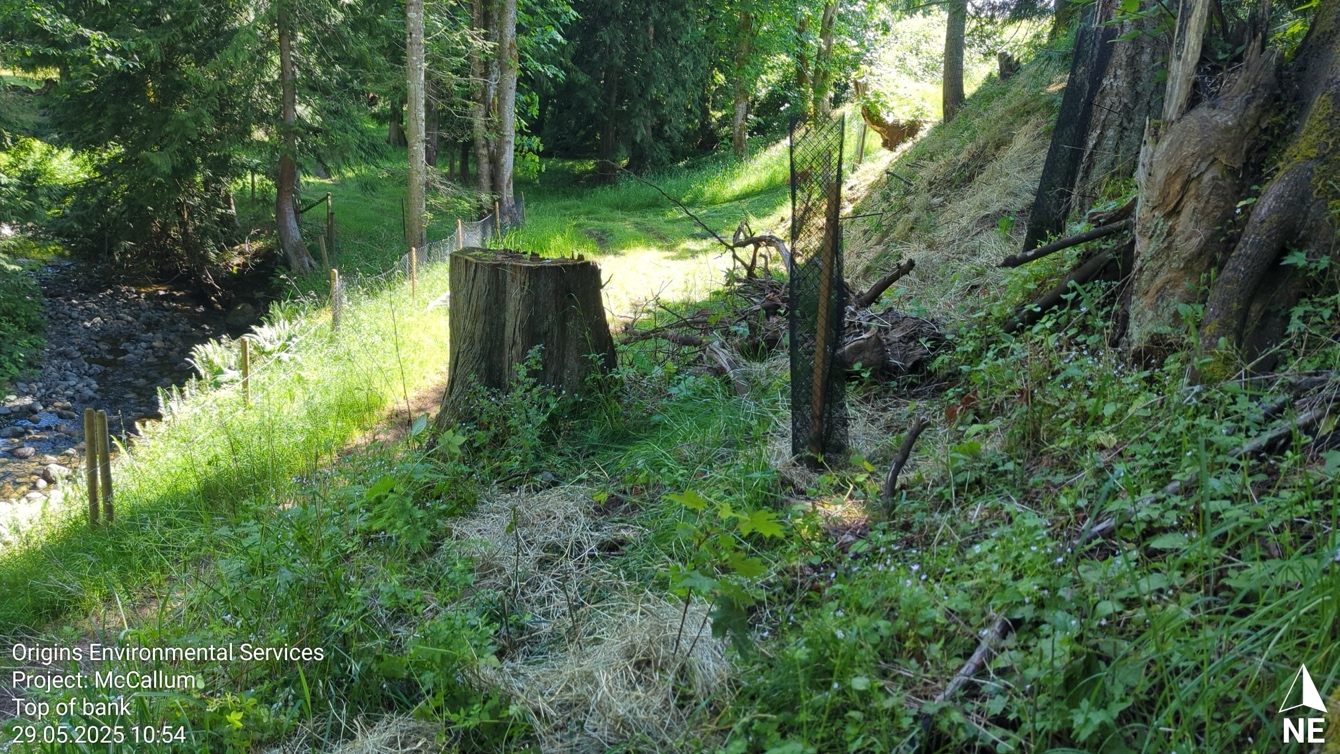
Post-Restoration
McClure Creek and its adjacent slope restored through dense planting and seeding of native ferns, shrubs and forbs.
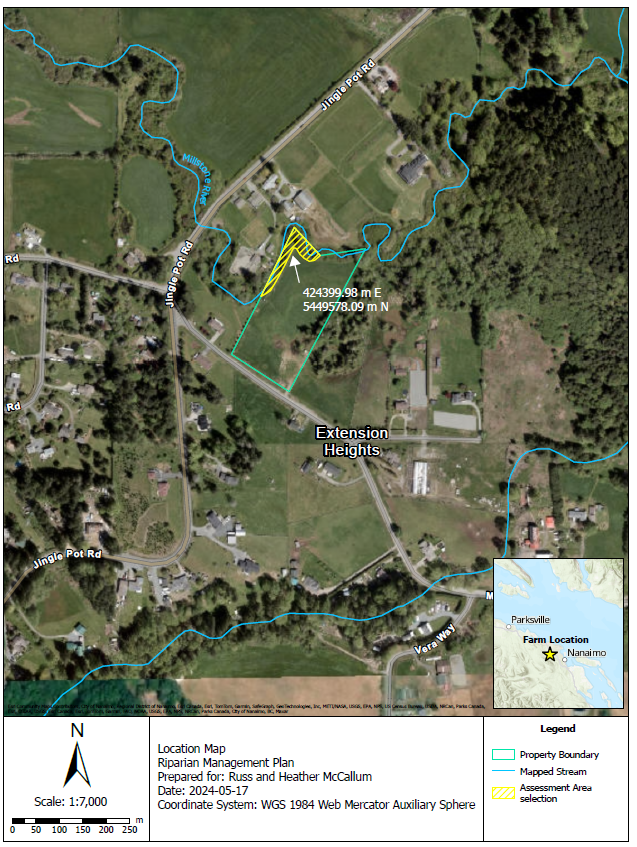
Map
Millstone River Site
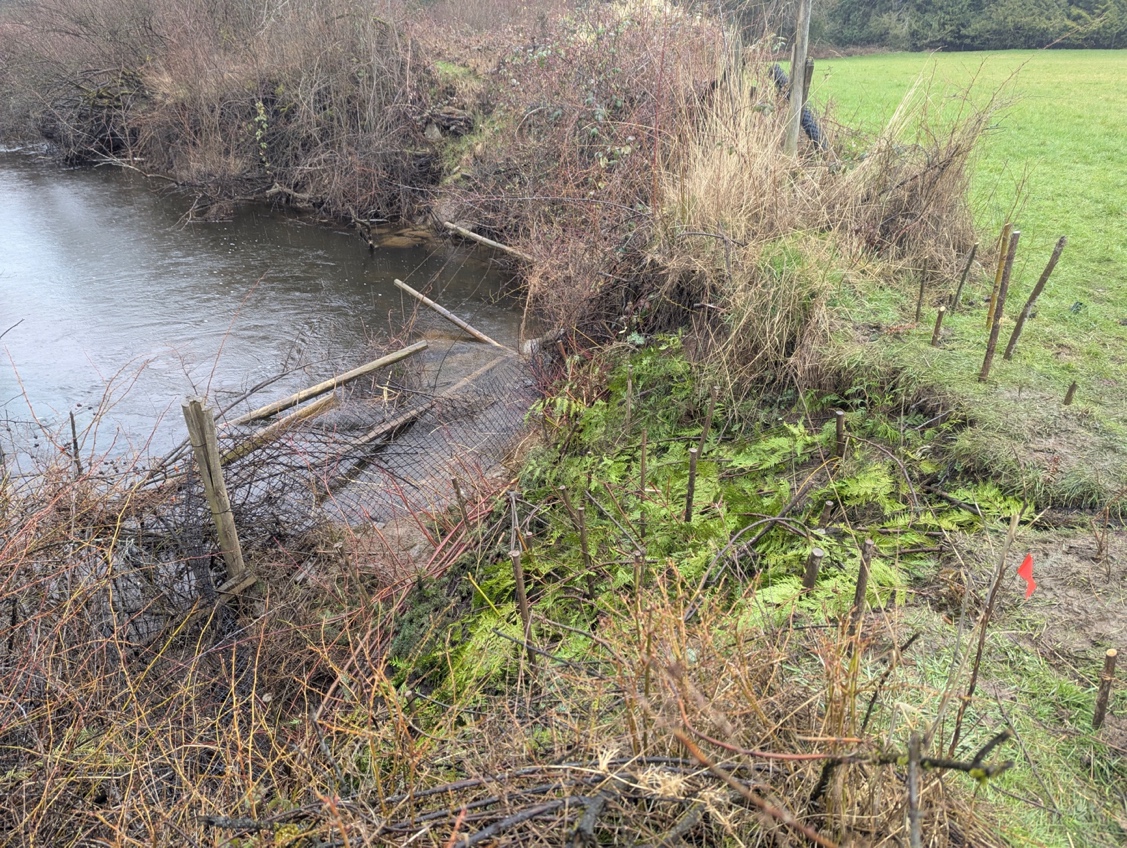
Phase 1 of Restoration
Live-staking and installation of bioengineered wattle fence to reduce erosion and promote bank stability along the Millstone River. April 2025.
Pre-Installation
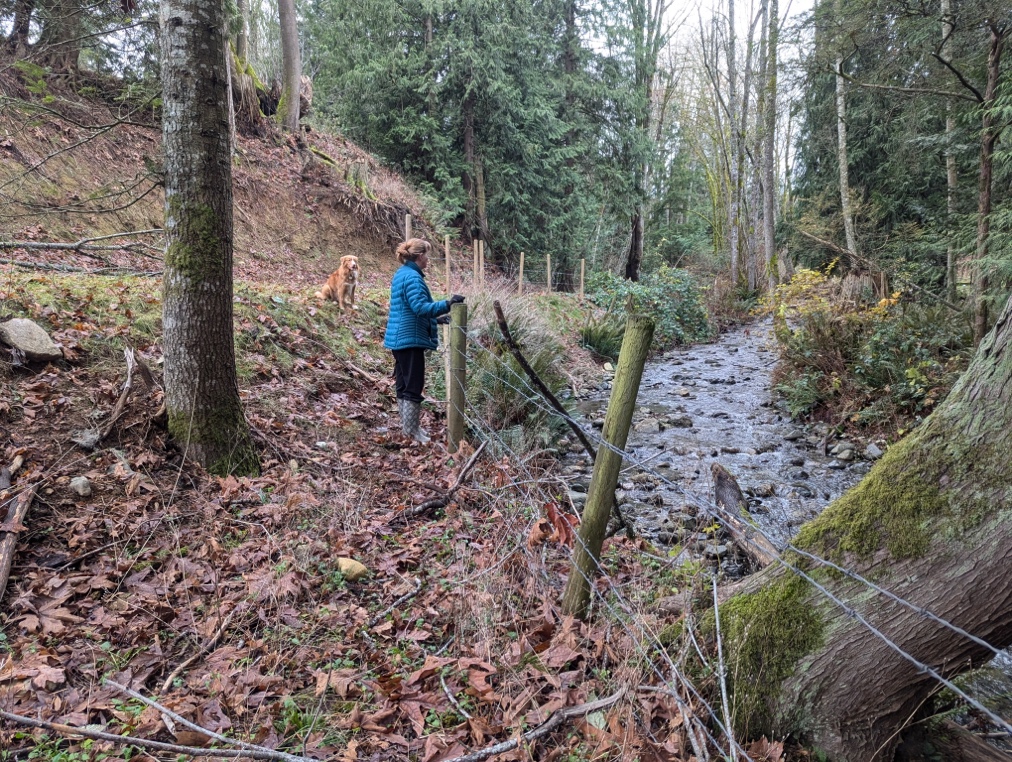
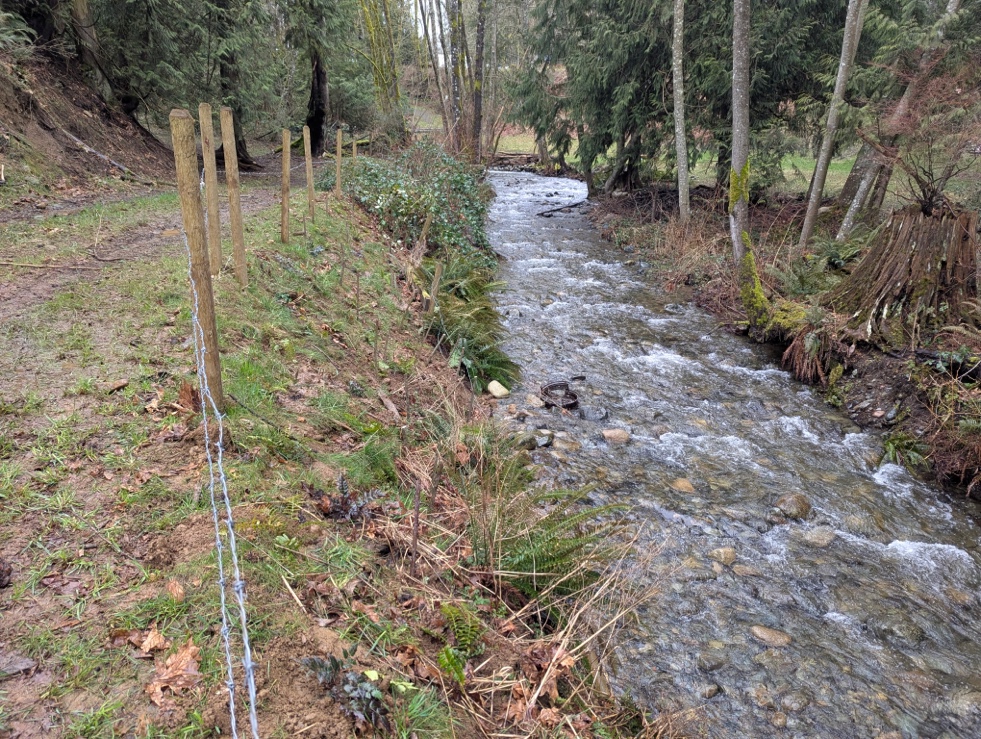
Pre-installation of temporary fencing to keep livestock out of water and from browsing new plantings along McClure Creek. Photo looking upstream from right bank. Native plants are added every season to promote the rapid development of roots along the bank. Fall 2025.
Phase 1 of Restoration
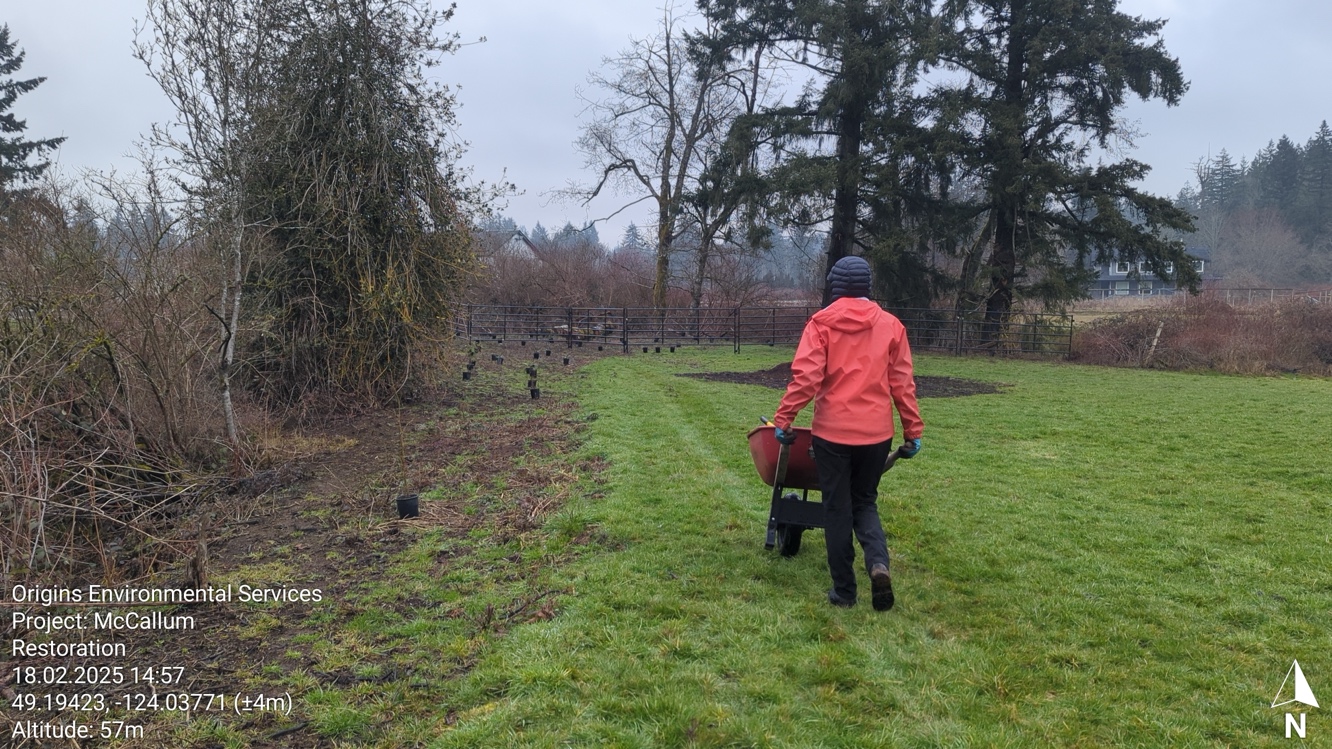
Removal of thick blackberry thickets along the bank. Feb 2025.
Phase 2
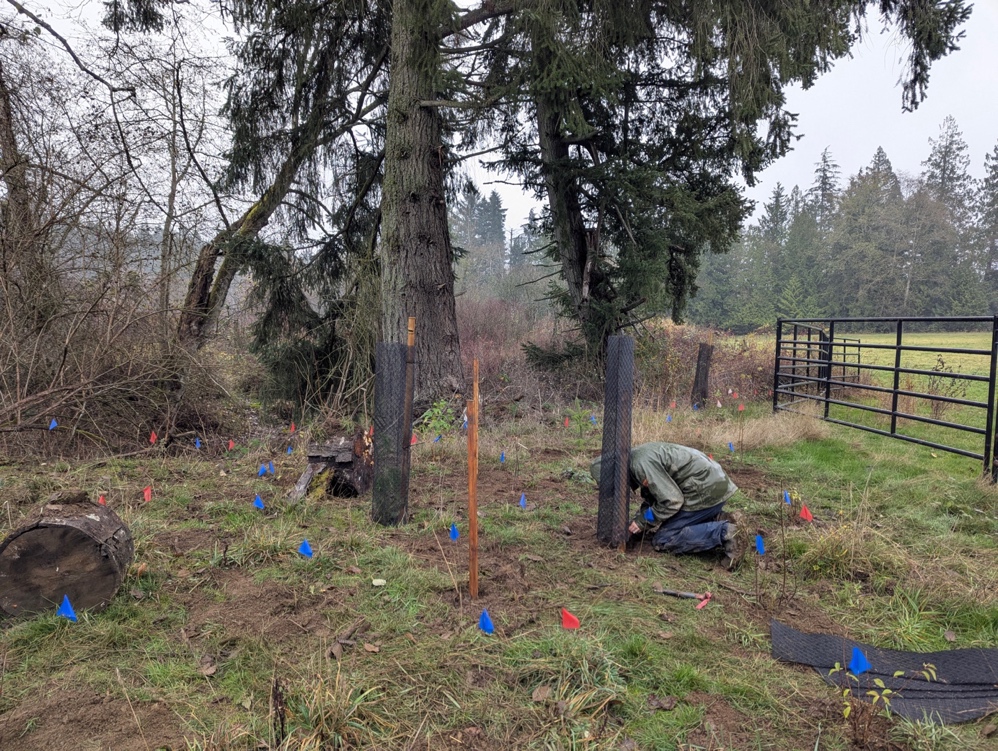
Continuous site monitoring indicates that plant survival was challenged by drought conditions, providing valuable insights to inform adaptive management and guide future restoration measures. Millstone River 2025.
Before Restoration
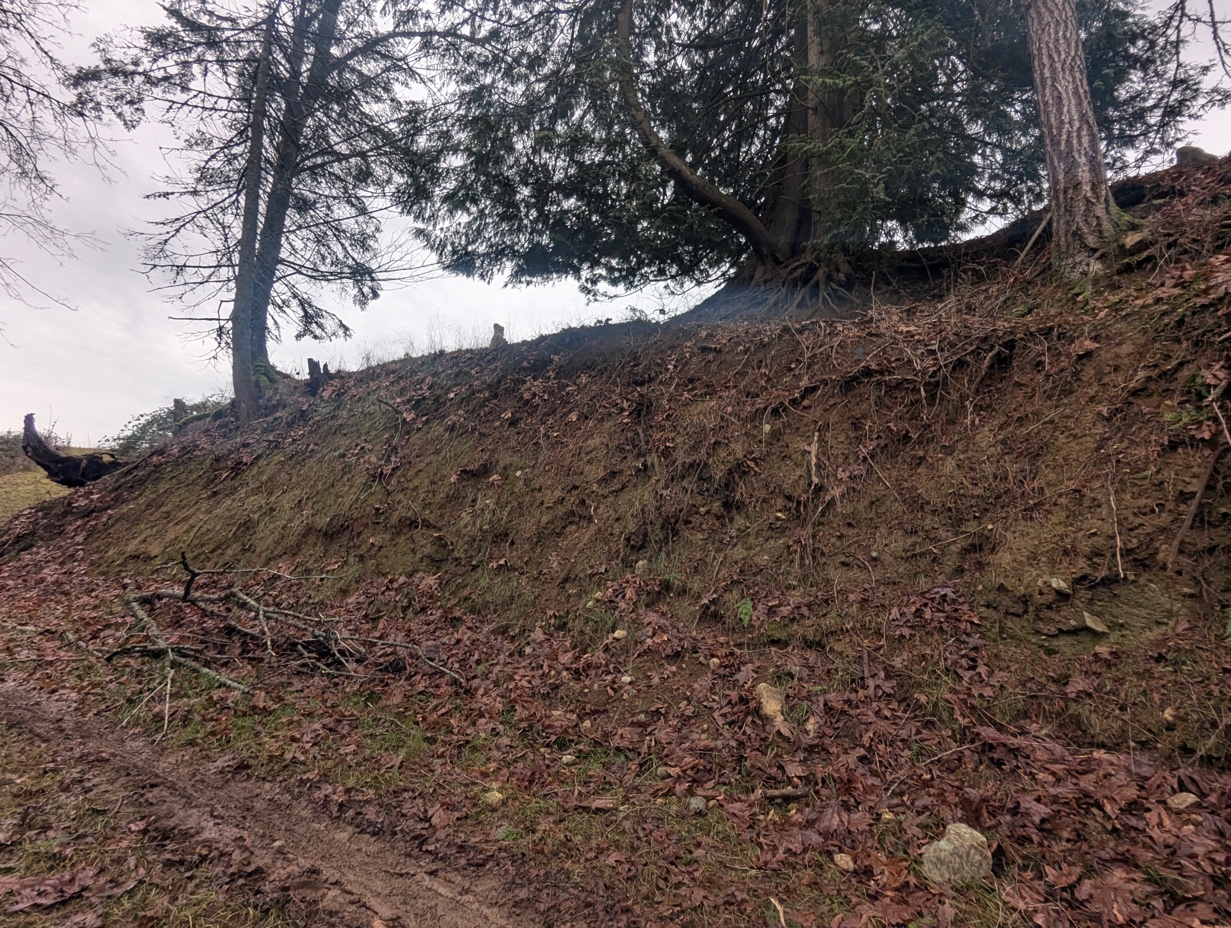
McClure Creek and its adjacent slope showing instable substrate and expose ground. Restoration Partners meeting with landowners on site. April 2024.
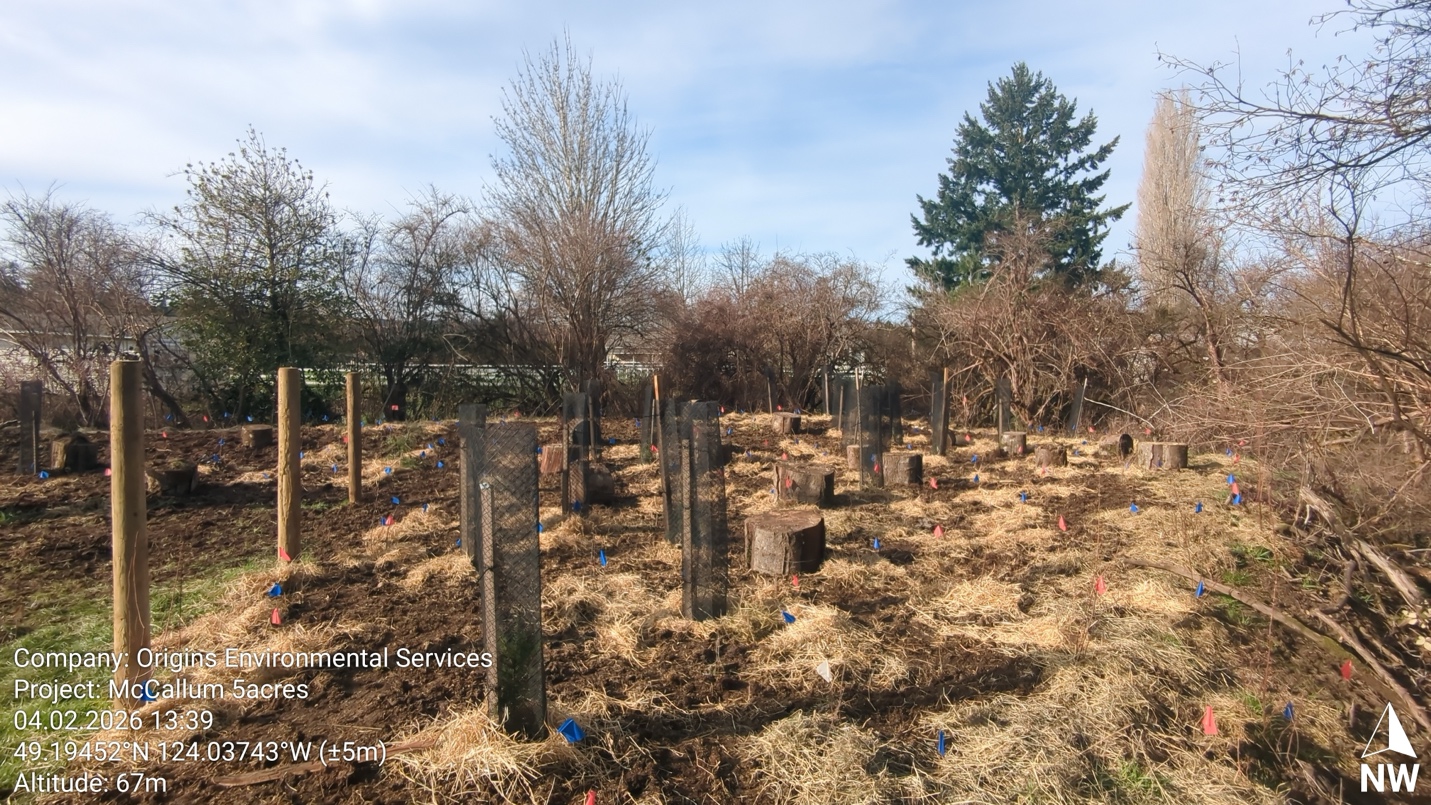
Phase 2
Photo shows Millstone River site looking upstream post restoration. February 2026.
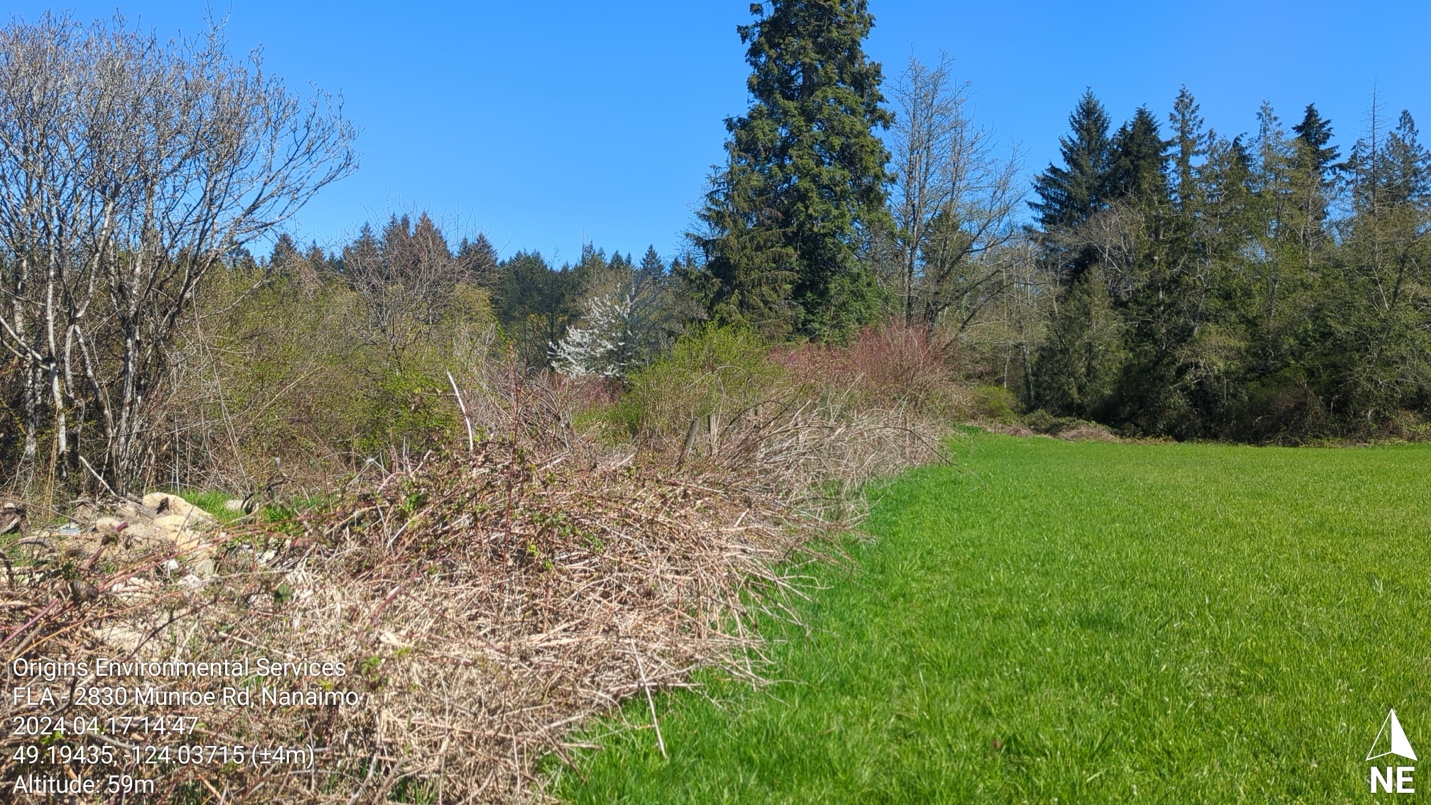
Before Restoration
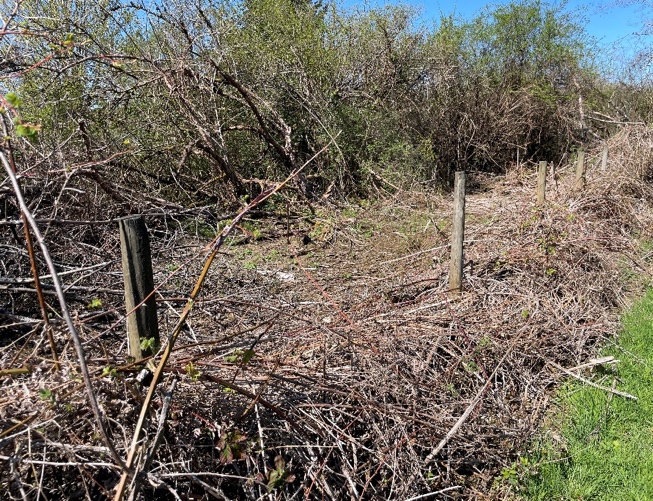
160 meters of riparian area running along the right bank of Millstone River, overwhelmed by thick colony of invasive Himalayan blackberry and English holy. Picture before restoration – April 2024.
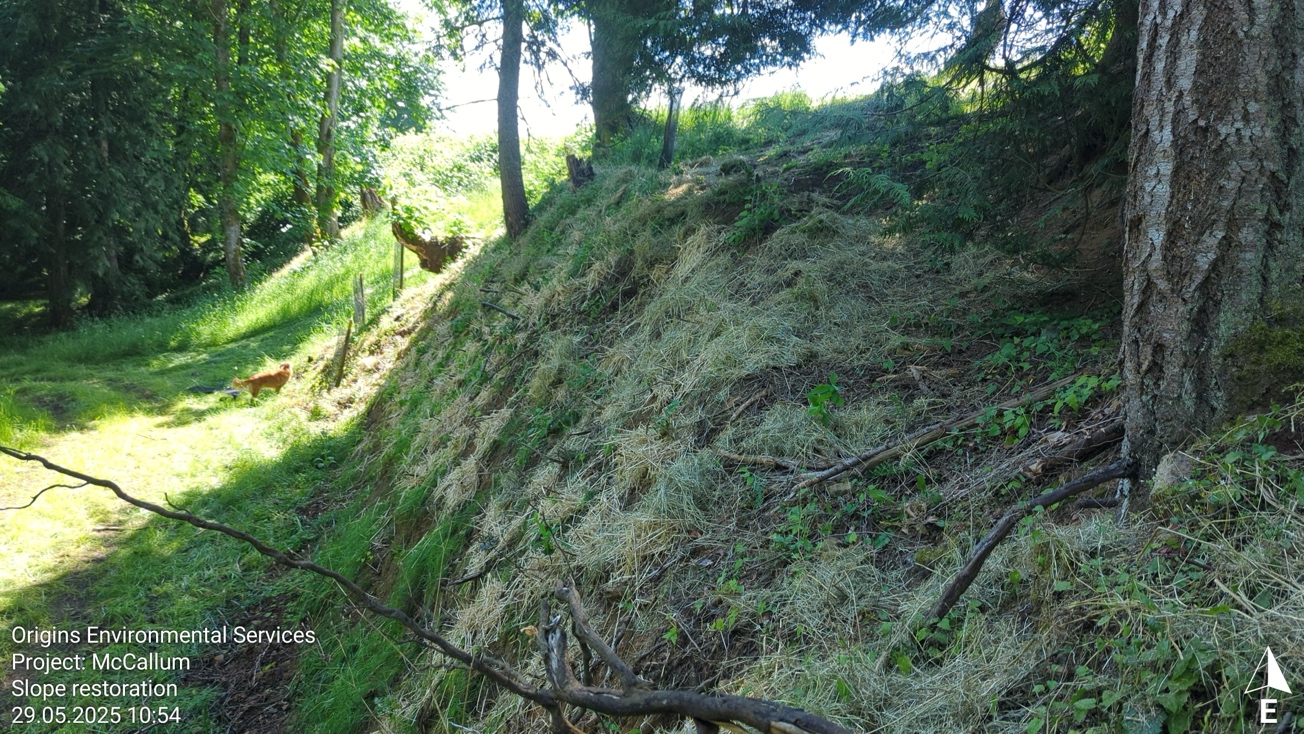
Post-Restoration
McClure Creek and its adjacent slope restored through dense planting and seeding of native ferns, shrubs and forbs. A layer of mulch was applied to retain moisture in this challenging environment.
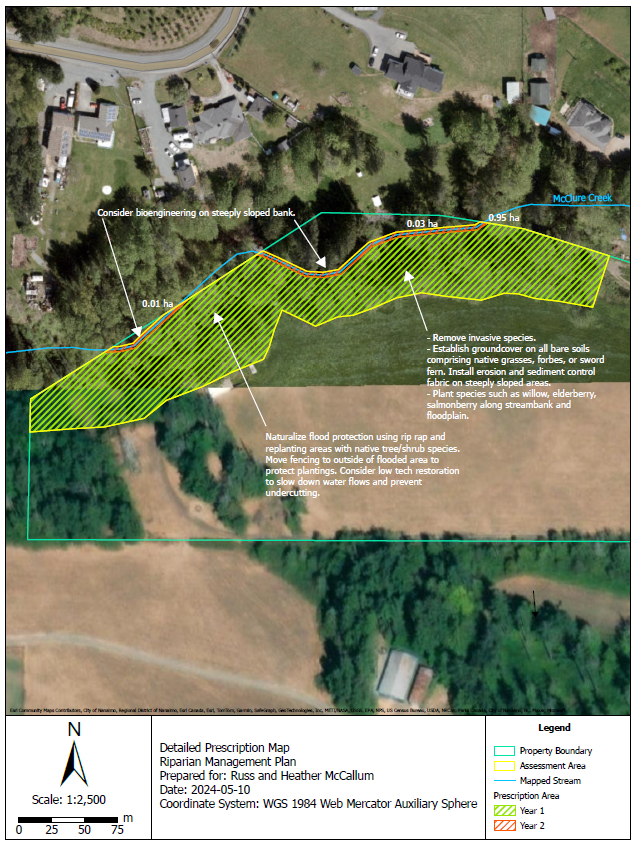
Map
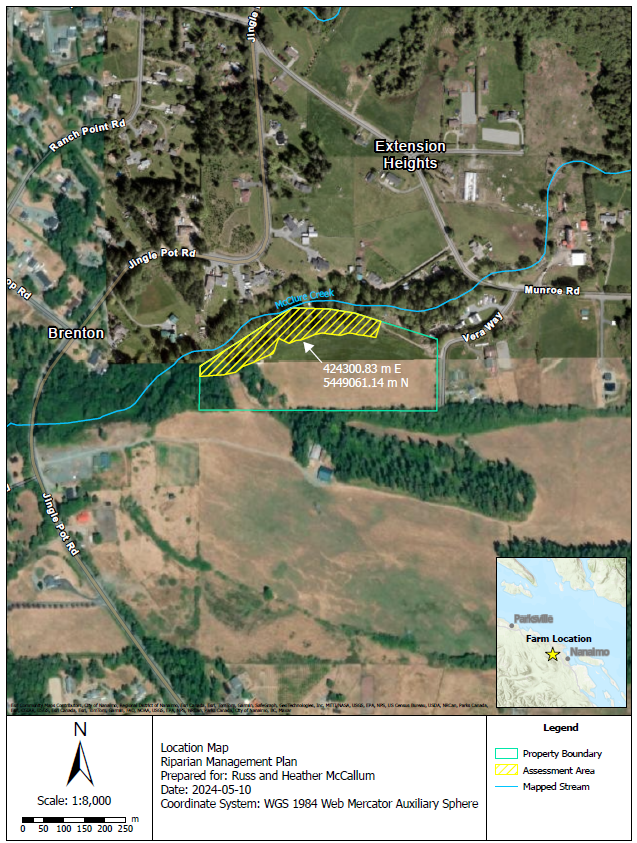
Map of McClure Creek, tributary of Millestone River
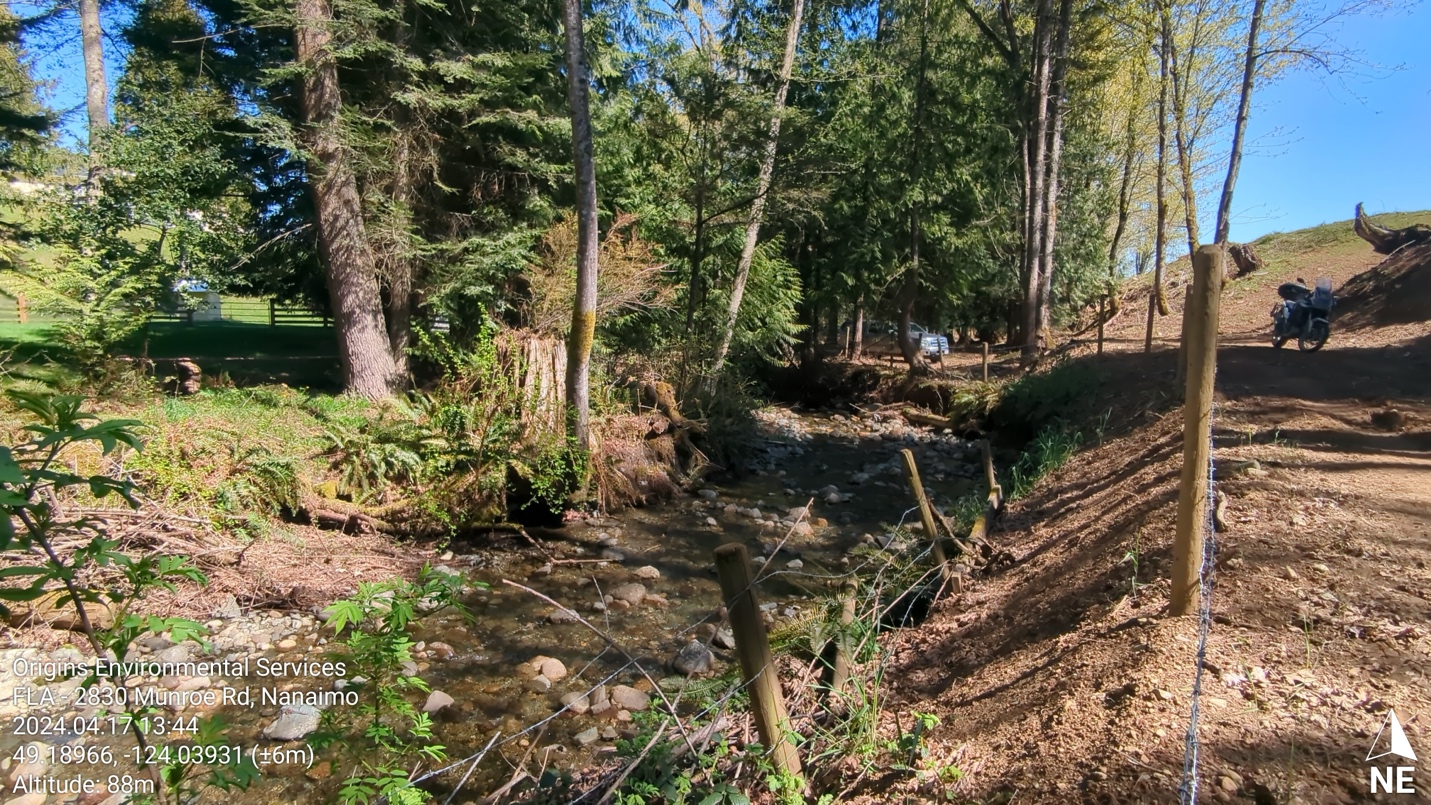
Before Restoration
Site visit in 2024 showing exposed bank right along McClure Creek, susceptible to sediment run off. Note the lack of riparian canopy above the Creek. Photo looking upstream. April 2024.
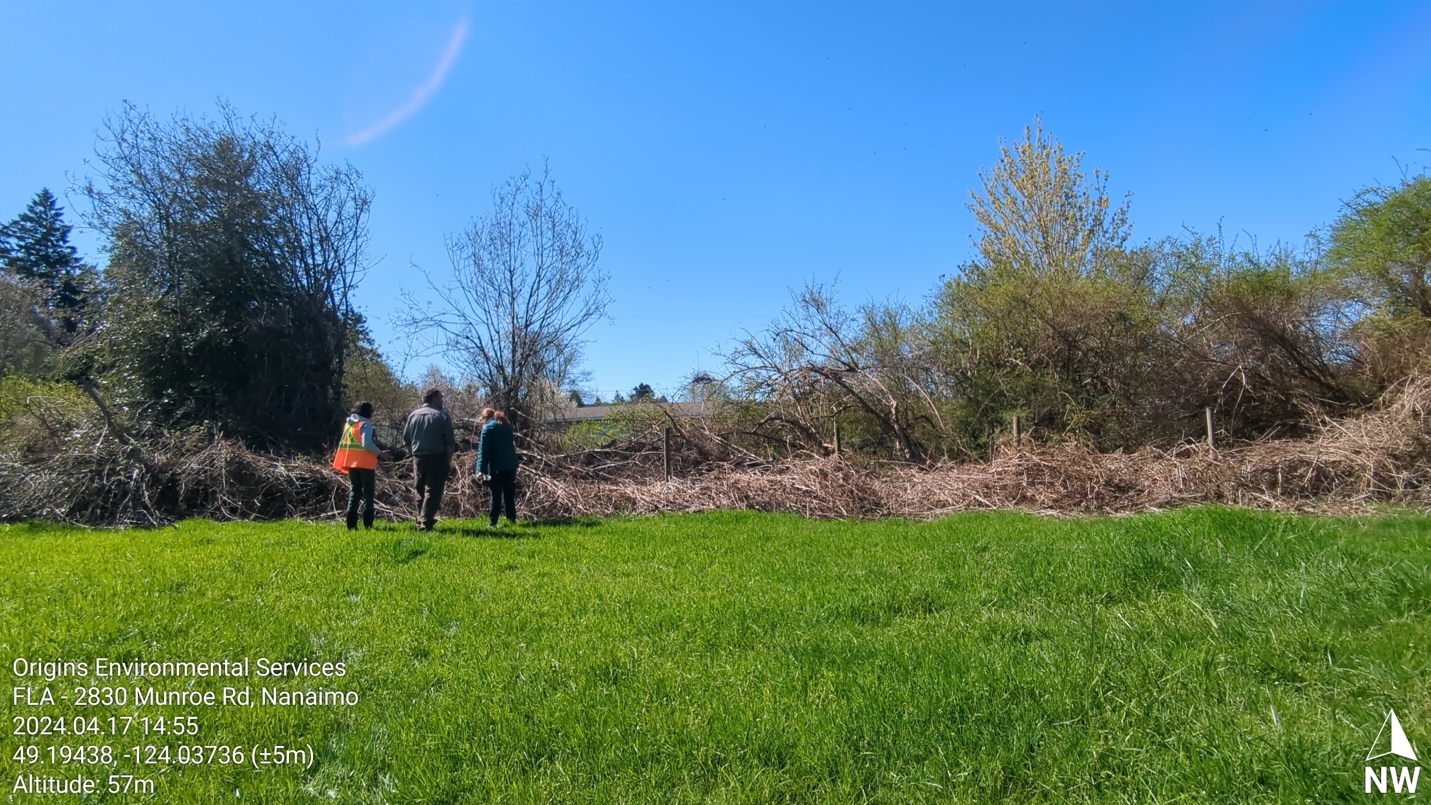
Before Restoration
Landowner and Restoration Partners standing in front of the right bank of Millstone River, showing abundant colony of invasive Himalayan blackberry and English holy. Picture before restoration – April 2024.
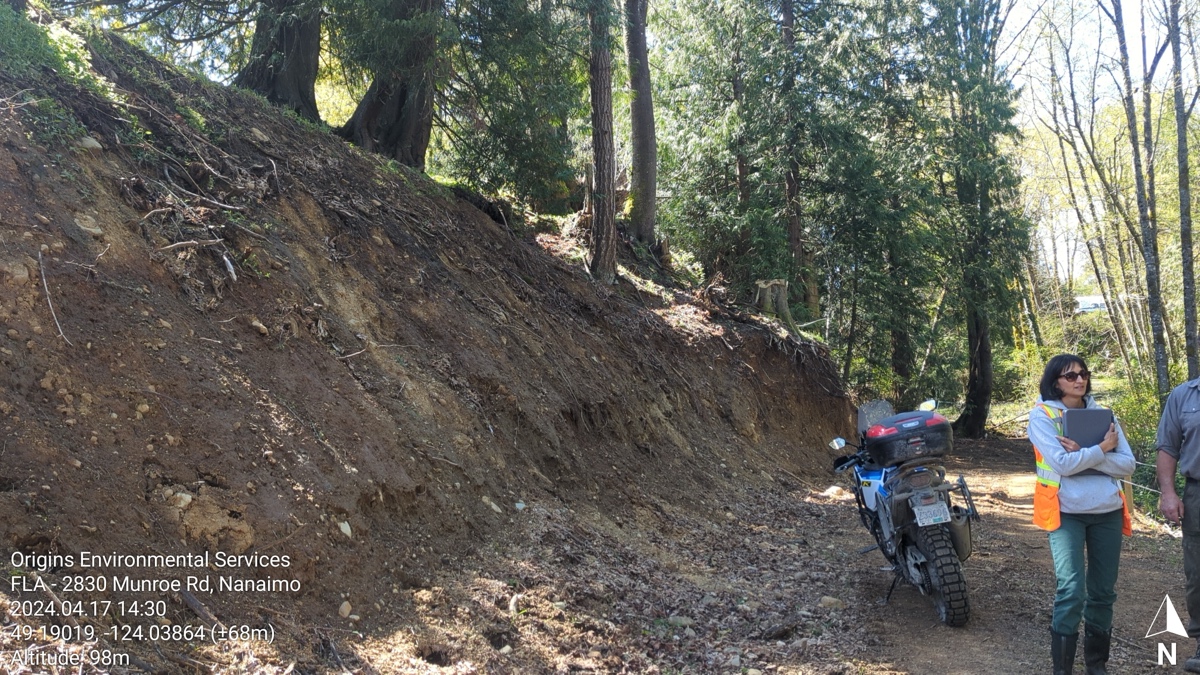
Before Restoration
McClure Creek and its adjacent slope showing instable substrate and expose ground. Restoration Partners meeting with landowners on site. April 2024.
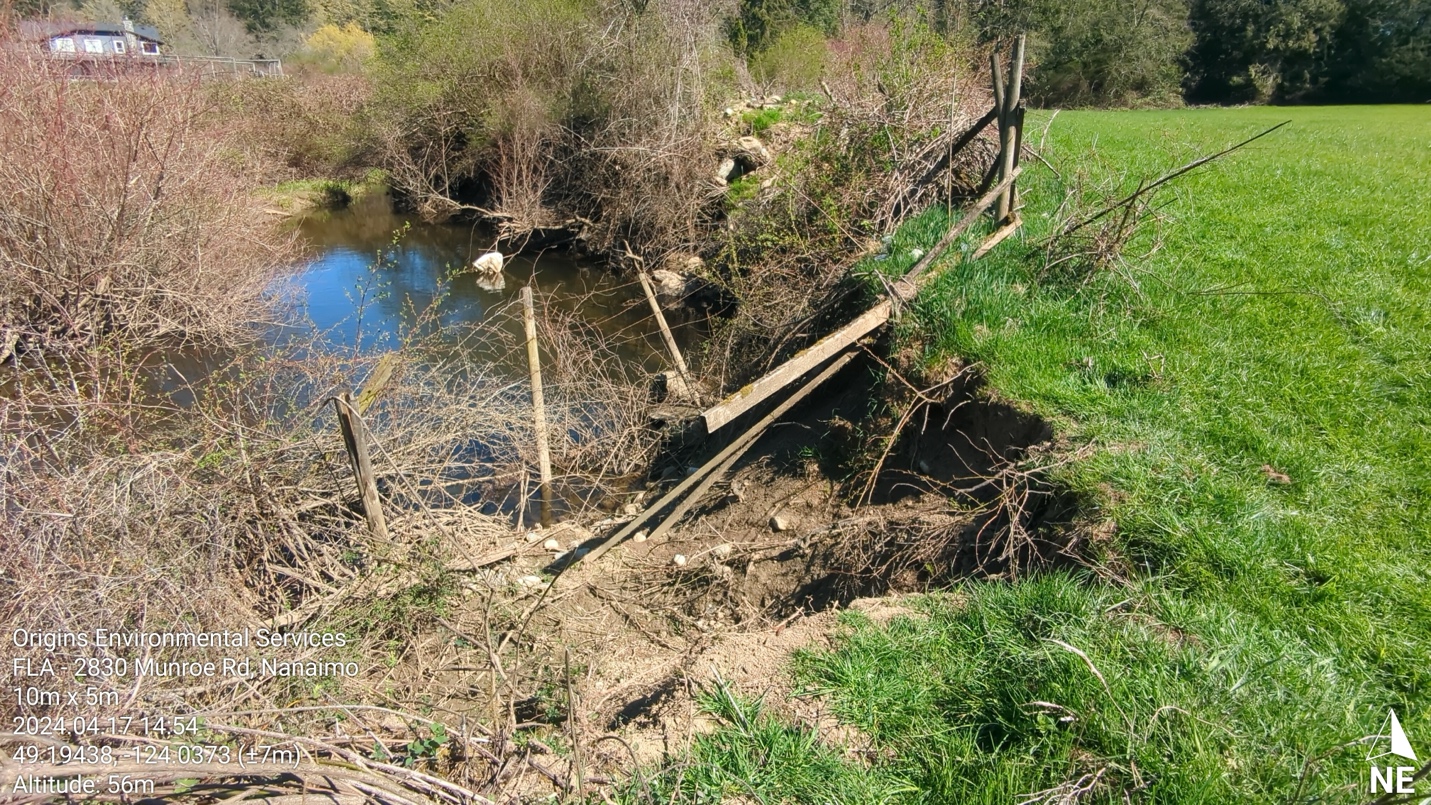
Before Restoration
Millstone River and eroding riparian area, before restoration – April 2024.
Map
Map of McClure Creek, tributary of Millestone River
Phase 2
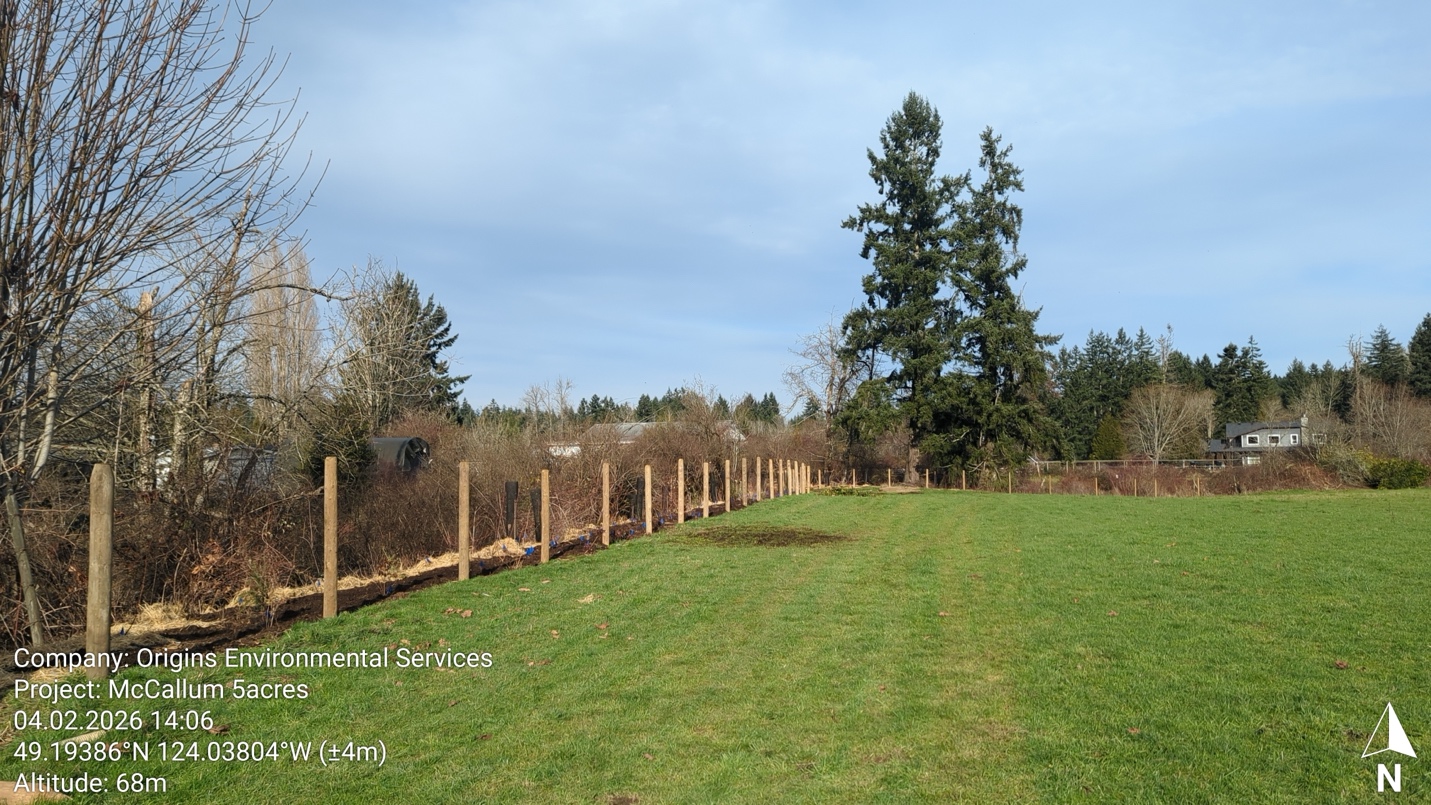
Photo shows Millstone River site looking downstream post restoration. February 2026.
Map
Millstone River Site
Phase 1 of Restoration
Live-staking of a first section of riparian area along Millstone River. April 2025.
Phase 2
Measures taken included extending the planting area along the entire reach, and applying a barrier and mulch across the site. The area was planted with over 500 native plants, and a native seed blend was broadcast. Mulch was also applied. Photo shows Millstone River site looking downstream post restoration. February 2026.
Phase 2
Planting extended along the bank to promote tree layer regeneration along the McClure Creek. May 2025.
Post-Restoration
Right bank of McClure Creek equipped with native understory vegetation and live staking. Note the slow recovery of ground cover from the seeds scattered. Photo looking upstream. 2025.
Before Restoration
Riparian area along the right bank of Millstone River, overwhelmed by thick colony of invasive Himalayan blackberry and English holy. Picture before restoration – April 2024.
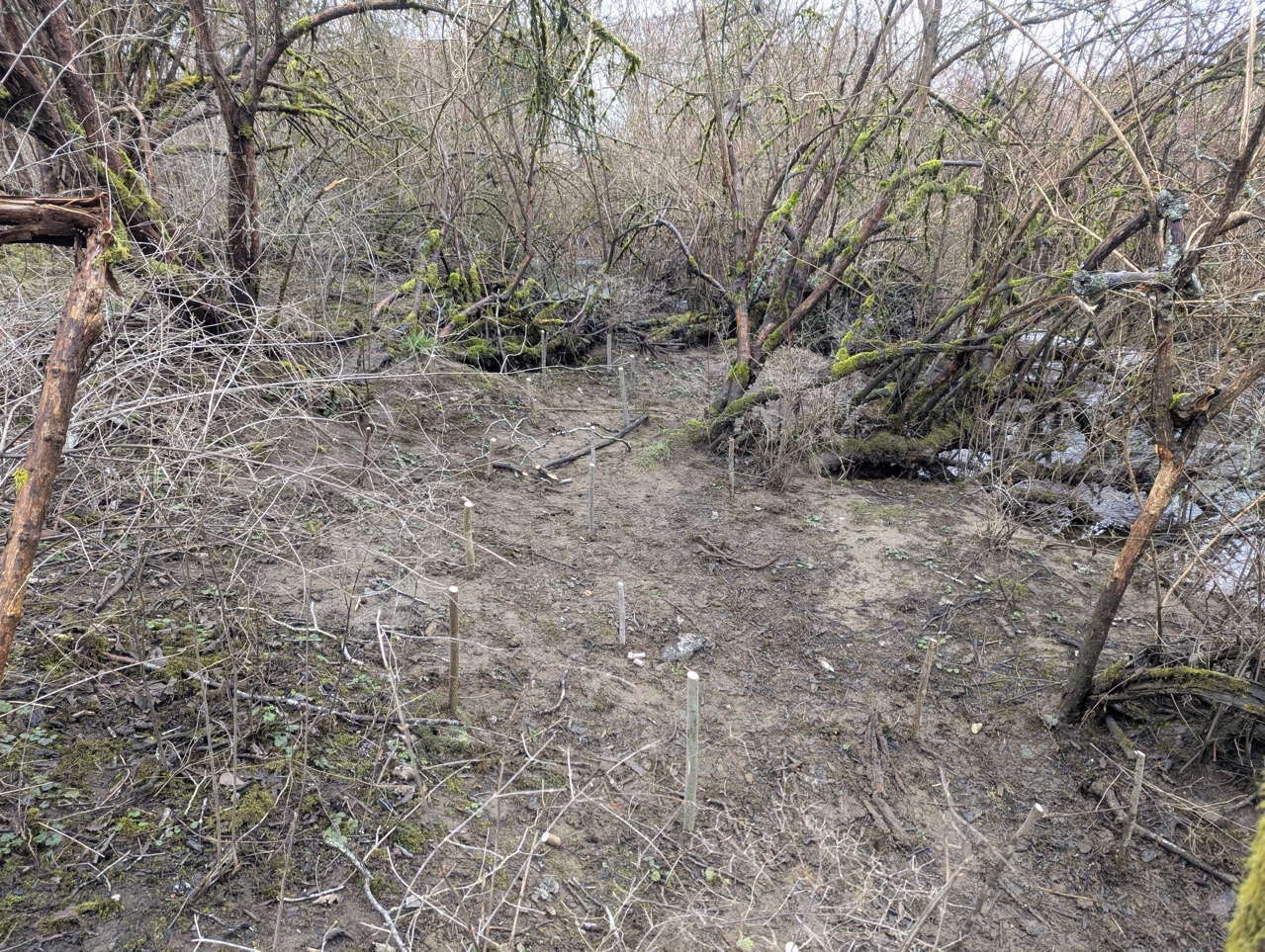
Phase 1 of Restoration
Phase 1 of restoration: Live-staking along the Millstone River. March 2025.
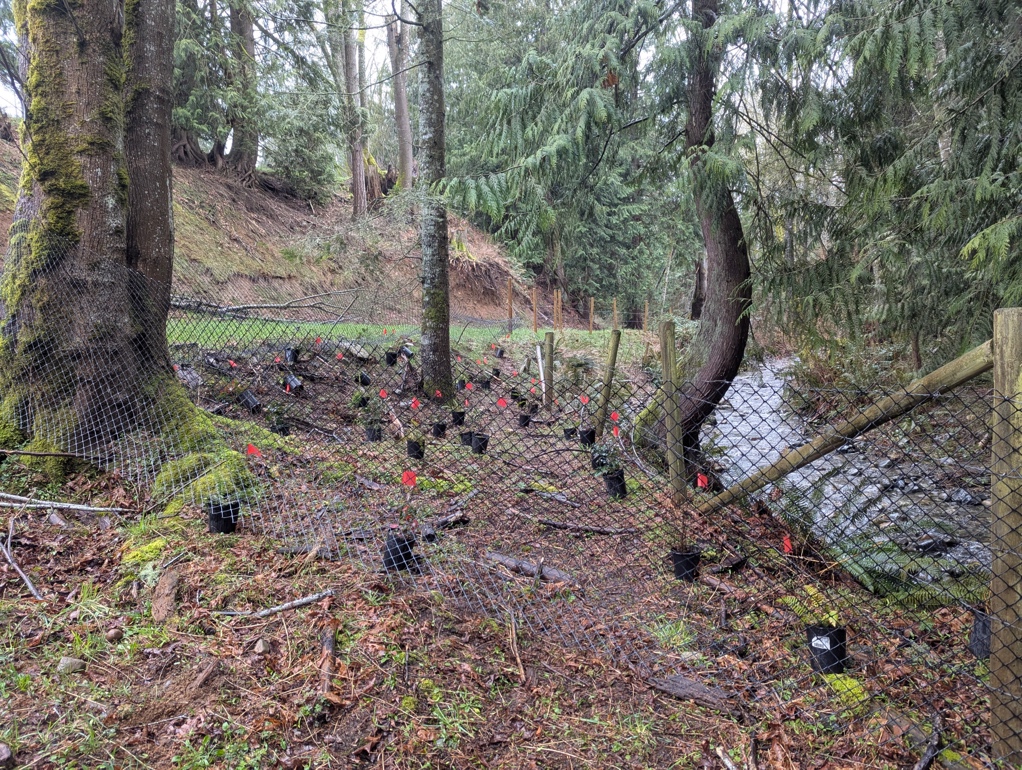
4f0a8731-1b34-4a31-a65f-f6ef3694bab2
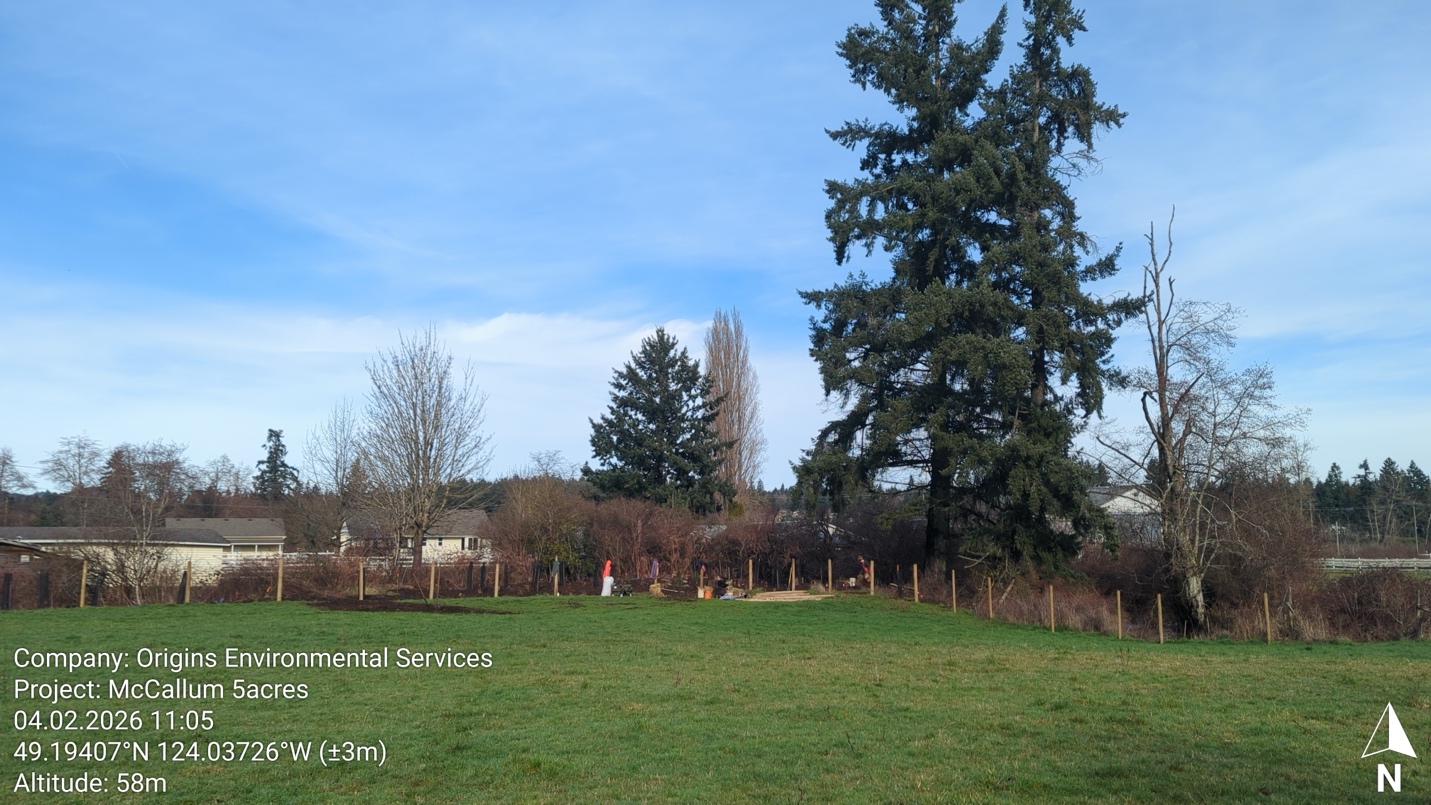
Phase 2
Photo shows Millstone River site post restoration. February 2026.
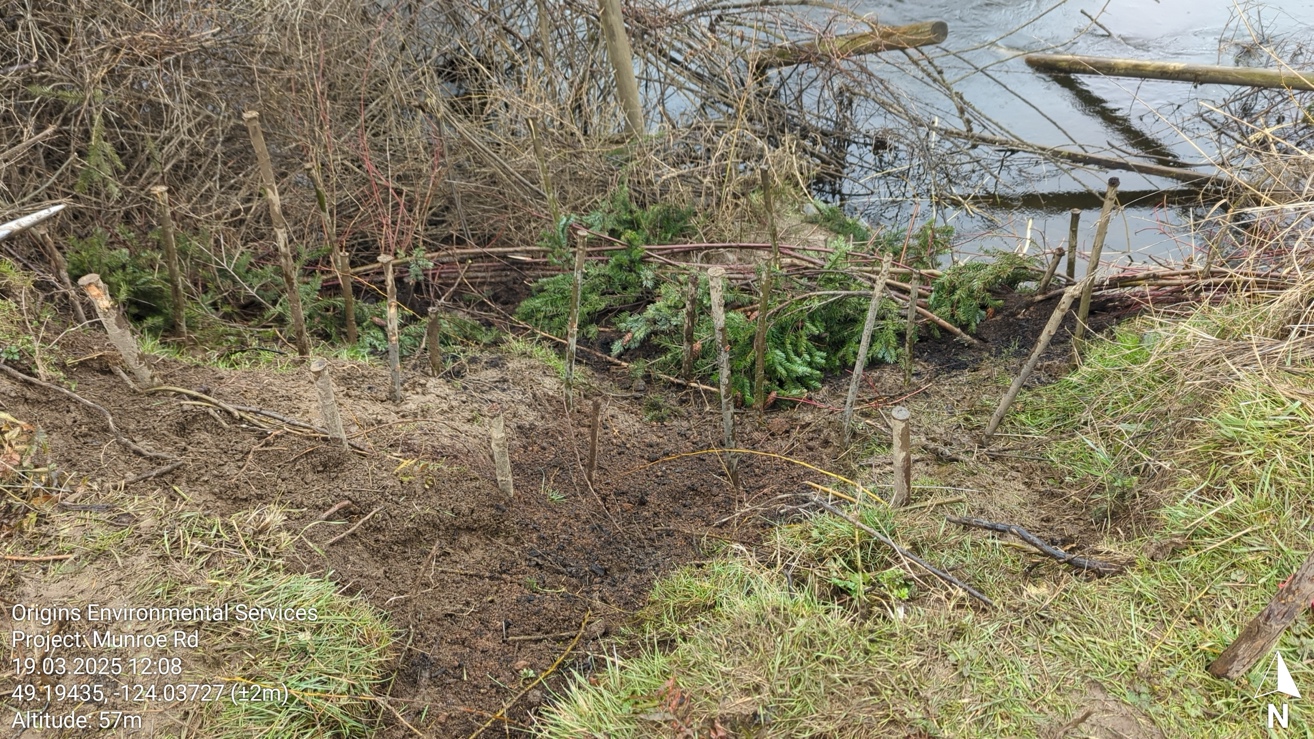
Phase 1 of Restoration
Live-staking along the Millstone River. March 2025.
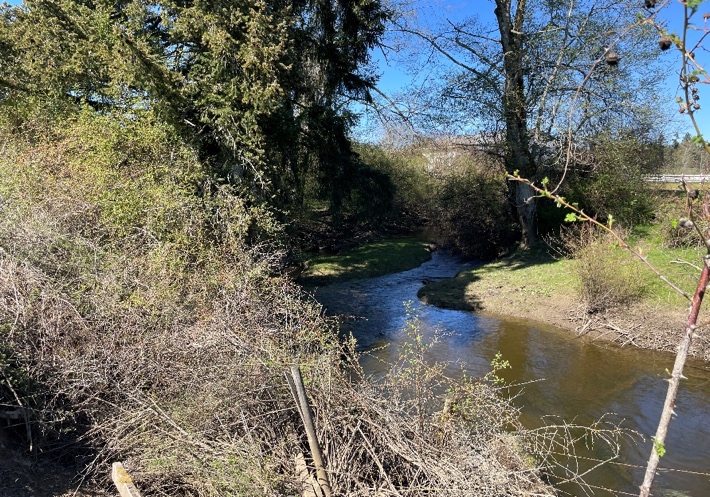
Before Restoration
Invasive species causing ingrowth into the water course and reducing flow.
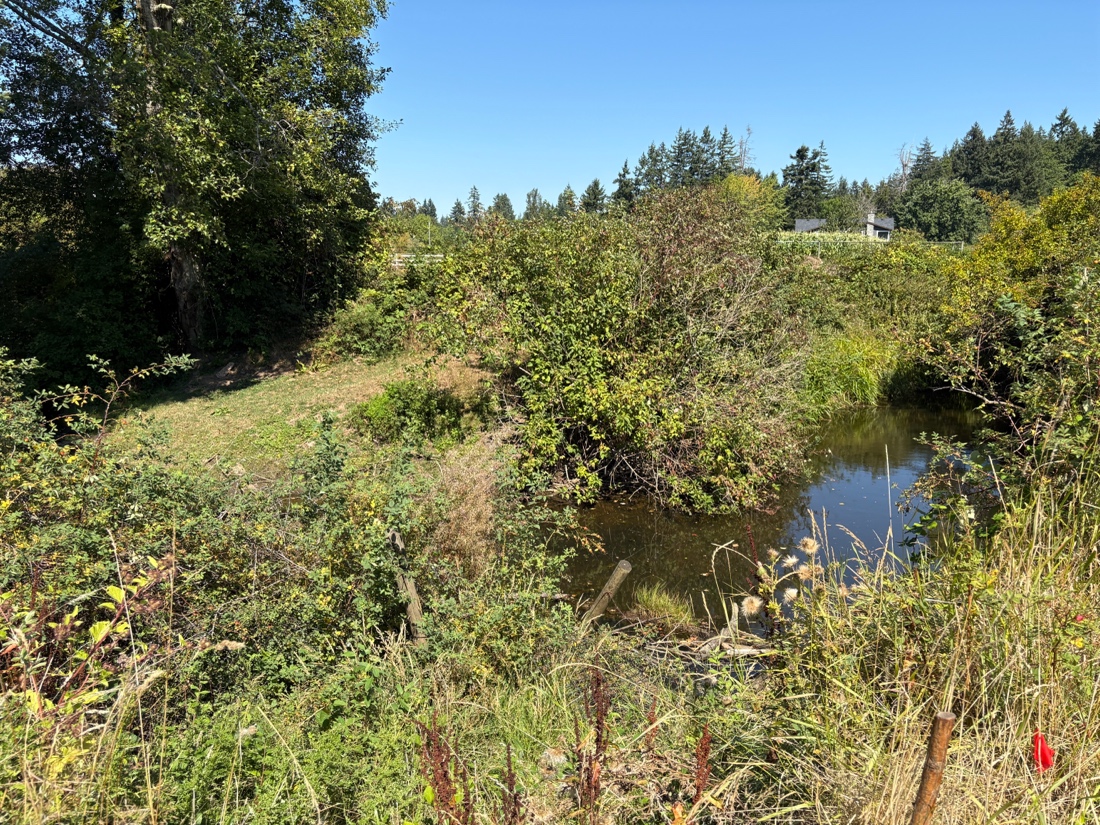
Before Restoration
Invasive species causing ingrowth into the water course and reducing flow.
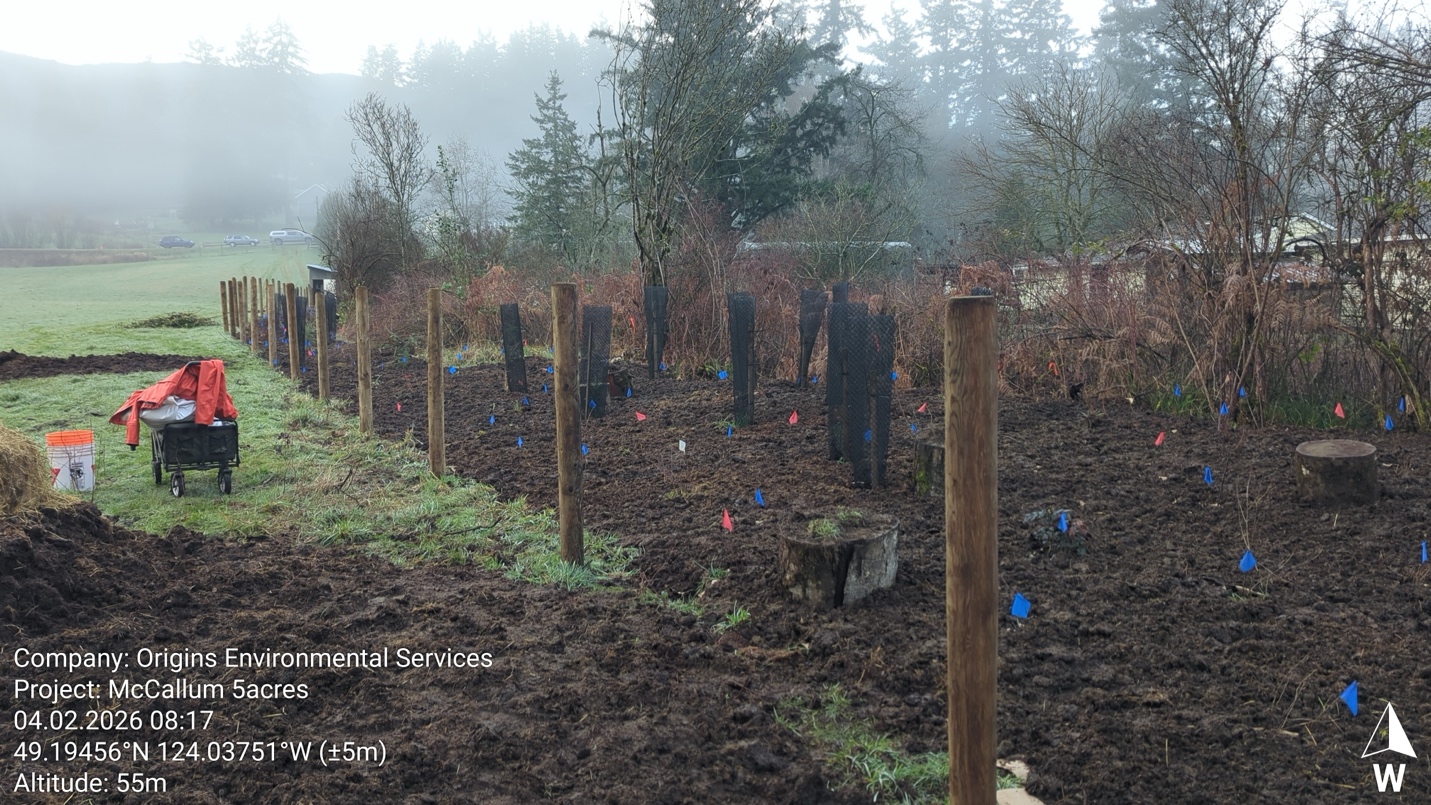
Phase 2
Millstone River riparian area undergoing restoration through planting and seeding of native plant communities. Fence posts are in place for the installation of a permanent fence that will protect the water course and its riparian habitat. Photo shows Millstone River site looking upstream post restoration. February 2026.
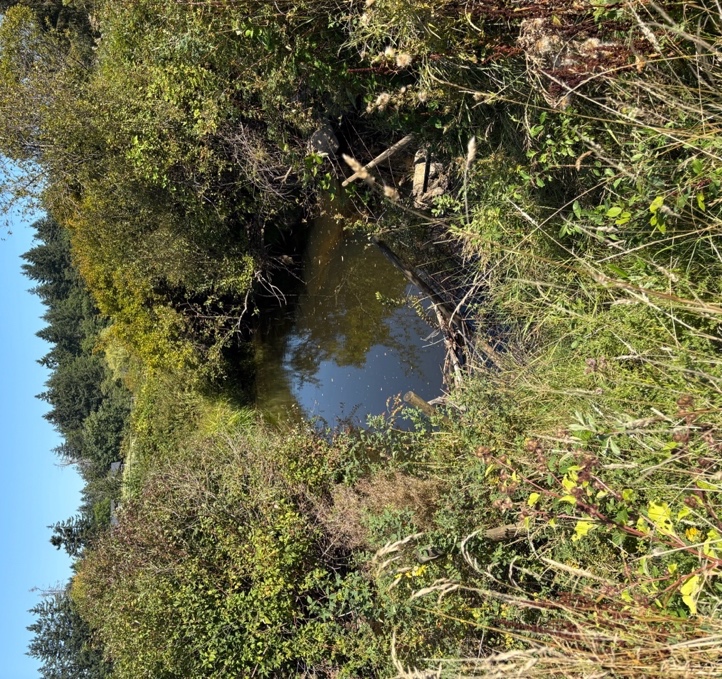
Before Restoration
Invasive species causing ingrowth into the water course and reducing flow.