Thanks to the Scaling the Implementation of Riparian Restoration (SIRR) Program, which utilizes a Payment for Ecosystem Services (PES) model, this once-choked stretch of creek is on a strong path to recovery. Invasive reed canary grass has been successfully suppressed, thousands of native plants are taking root, and a healthy riparian buffer is coming back to life, improving fish habitat, reducing flooding, and boosting watershed resilience. A great example of how smart restoration delivers lasting results for salmon and the land.
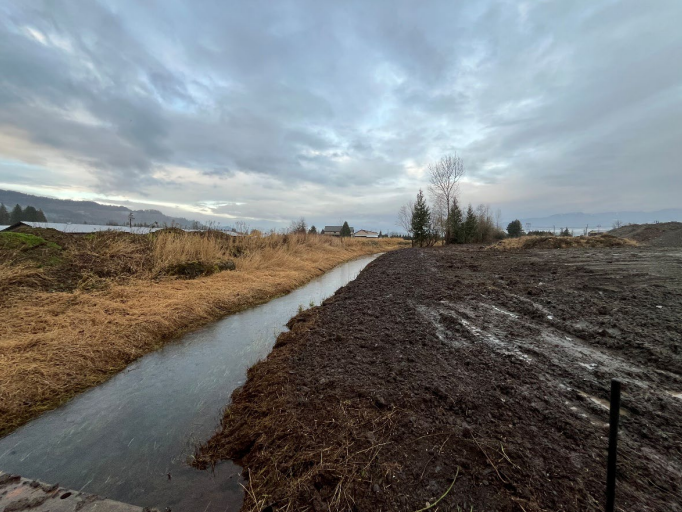
Hokkanen Creek, a tributary of Haslam Creek within the Nanaimo River watershed, was identified as a high‑priority site for restoration due to flooding, invasive reed canary grass, and degraded riparian habitat affecting salmon and other species. An early assessment found limited vegetative buffering, shallow water depths, reduced canopy cover, and potential fish passage constraints, particularly where agricultural land use bordered the creek.
Beginning in 2024, a targeted restoration strategy was implemented, combining invasive species suppression with high‑density native planting. Over 1,000 m² of reed canary grass was successfully smothered using a durable, reusable bioengineered tarp, followed by the installation of more than 5,000 native plants adapted to wetland and riparian conditions. Through the Scaling the Implementation of Riparian Restoration (SIRR) program, utilizing a Payment for Ecosystem Services (PES) model, along with additional comparative planting areas and longer‑term drainage planning, are rebuilding a resilient riparian buffer, improving habitat connectivity, and supporting more stable flows and cooler water temperatures in Hokkanen Creek.
Hokkanen Creek is a tributary of Haslam Creek, a high-priority watershed for salmon habitat, which ultimately flows into the Nanaimo River. Portions of the creek remain forested and relatively unaffected by agricultural activities, while other sections are bordered by cropland and show clear signs of agricultural influence.
In several areas, the watercourse is being heavily encroached upon by reed canary grass (Phalaris arundinacea) or RCG, forming dense stands that restrict channel function and riparian diversity. Flooding has been observed at the southern end of the reach, particularly during the winter months.
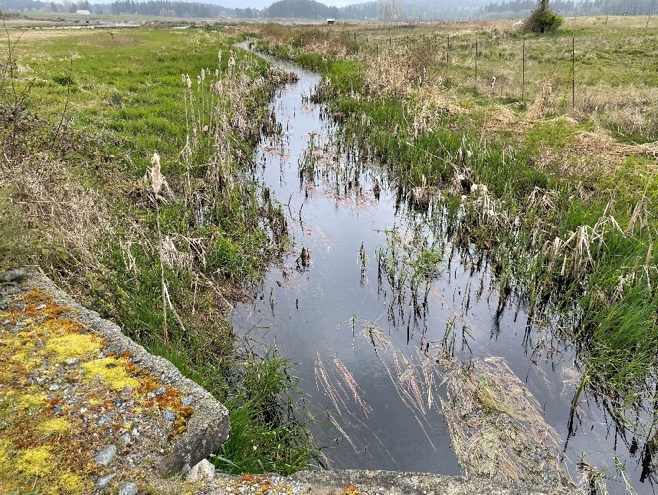
An initial assessment of fish habitat identified limited vegetative buffering, minimal canopy cover in certain sections, and the presence of invasive plant species. Potential blockages affecting fish passage were also noted, and water levels were observed to be relatively shallow (generally less than 0.5 m).
Based on this assessment, restoration actions were identified by the RPBio in April 2024, including the following:
- Development of a drainage management plan to address flooding within the adjacent field area (approximately 5 acres).
- Targeted removal of invasive plant species, followed by the establishment of groundcover composed of shorter native grasses and forbs.
- Installation of native woody riparian species, including hardhack (Spiraea douglasii), red-osier dogwood (Cornus sericea), and willow species (Salix spp.), along the first 3 m of shoreline on the right bank and 1 m of shoreline on the left bank, covering approximately 400 m².
- Consideration of berm improvements and potential dugout construction as part of the longer-term drainage management strategy.
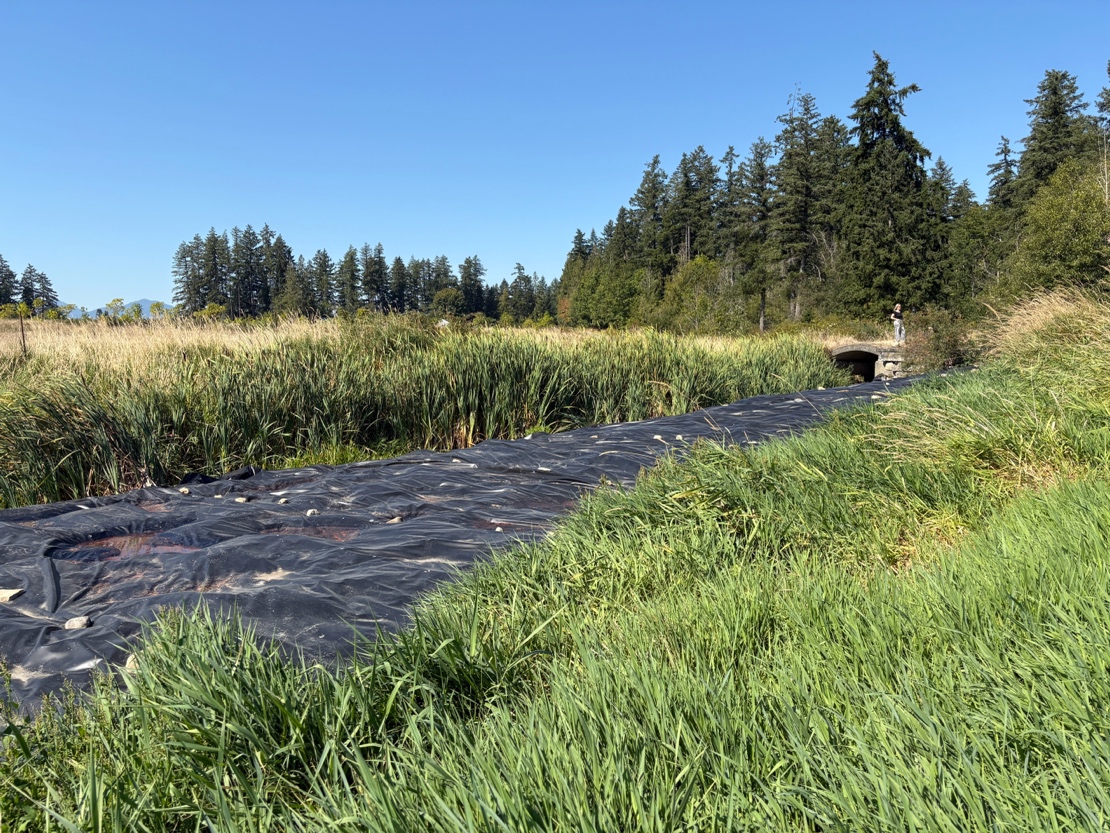
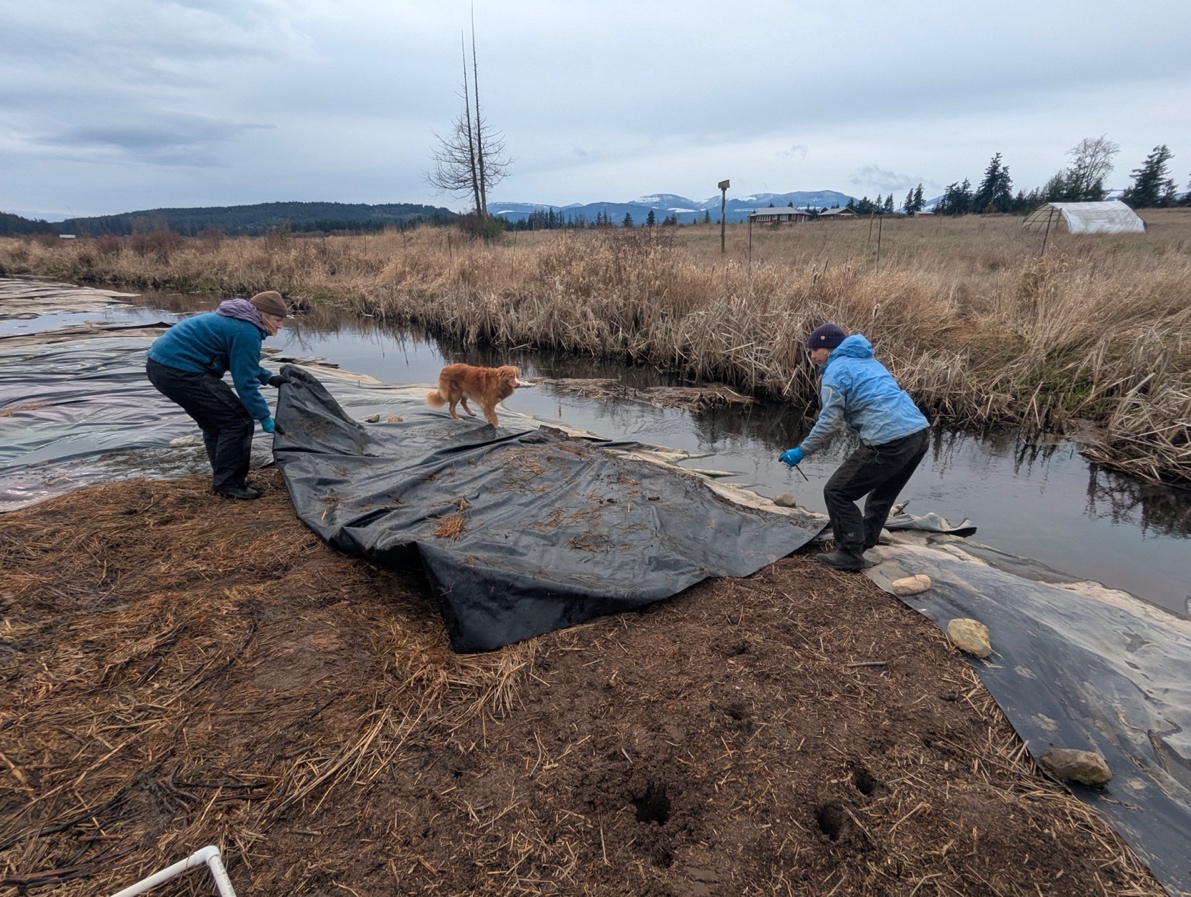
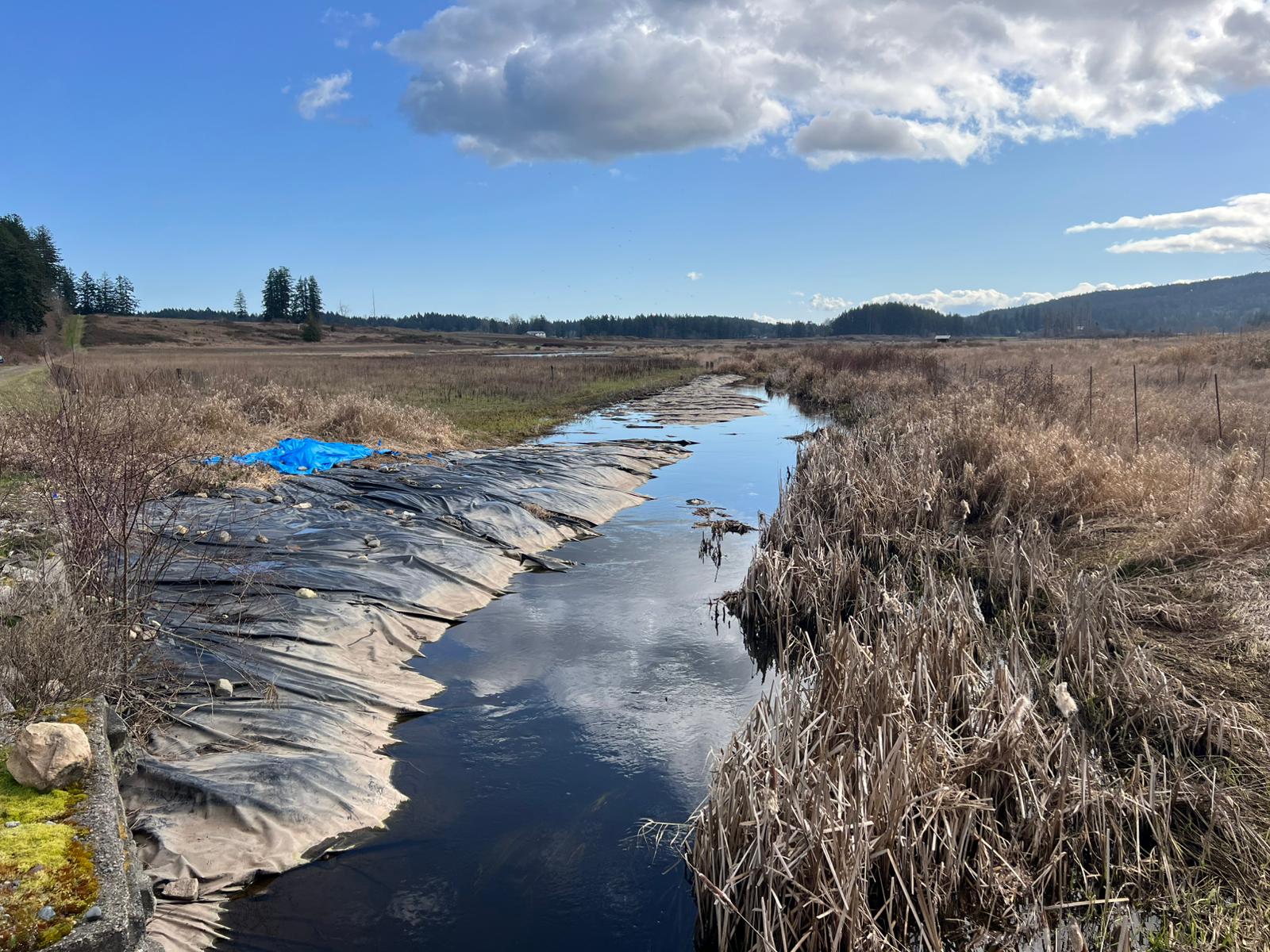
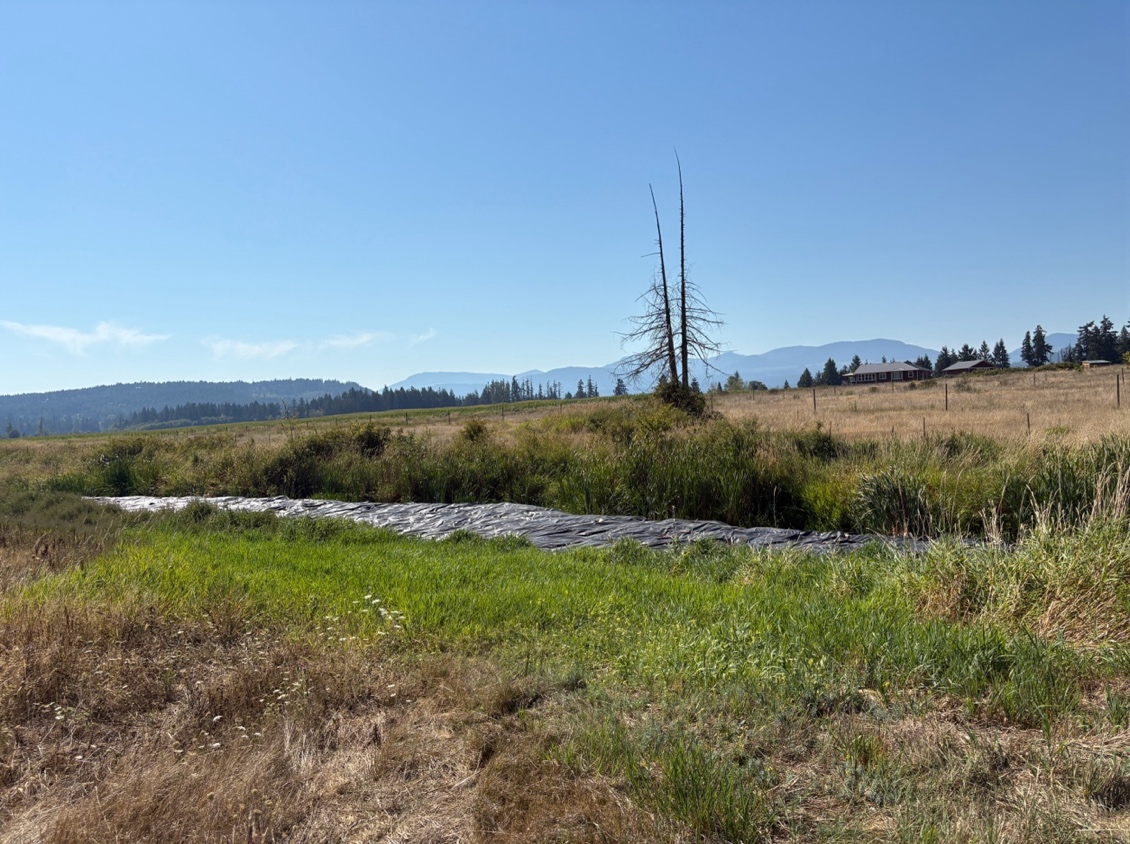
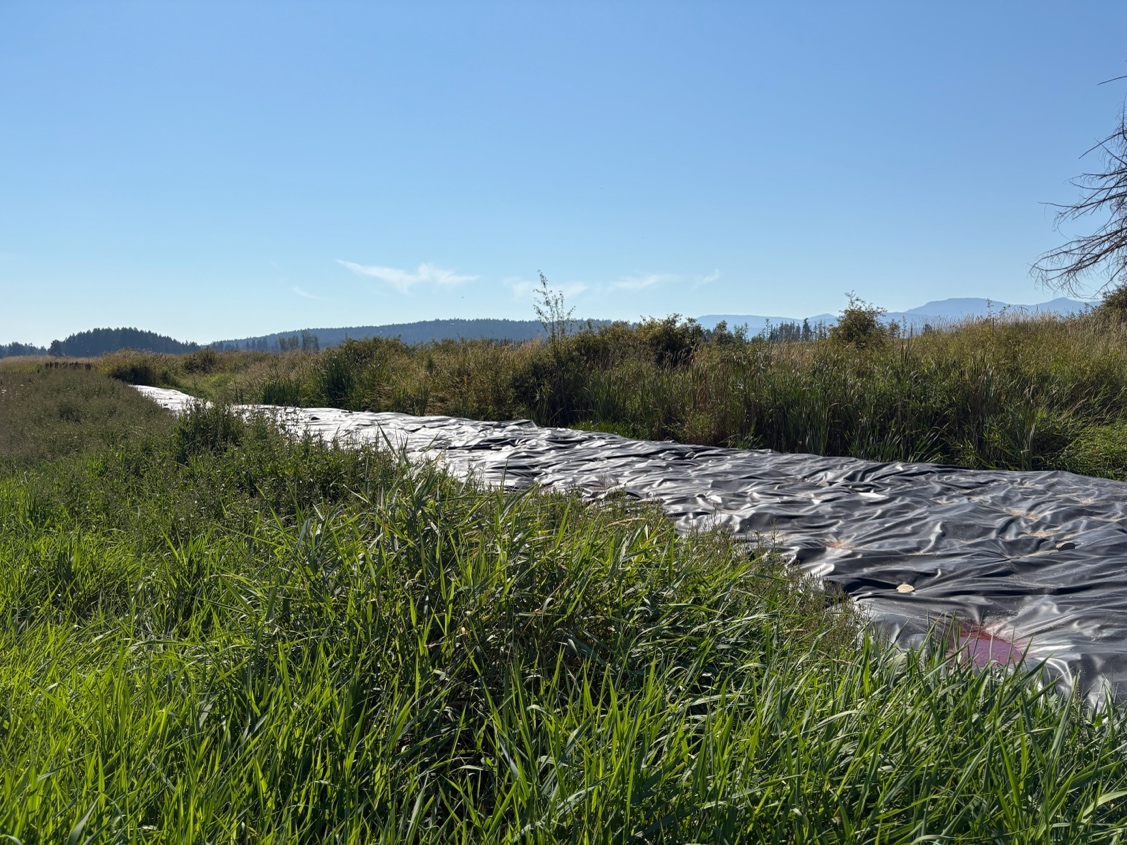
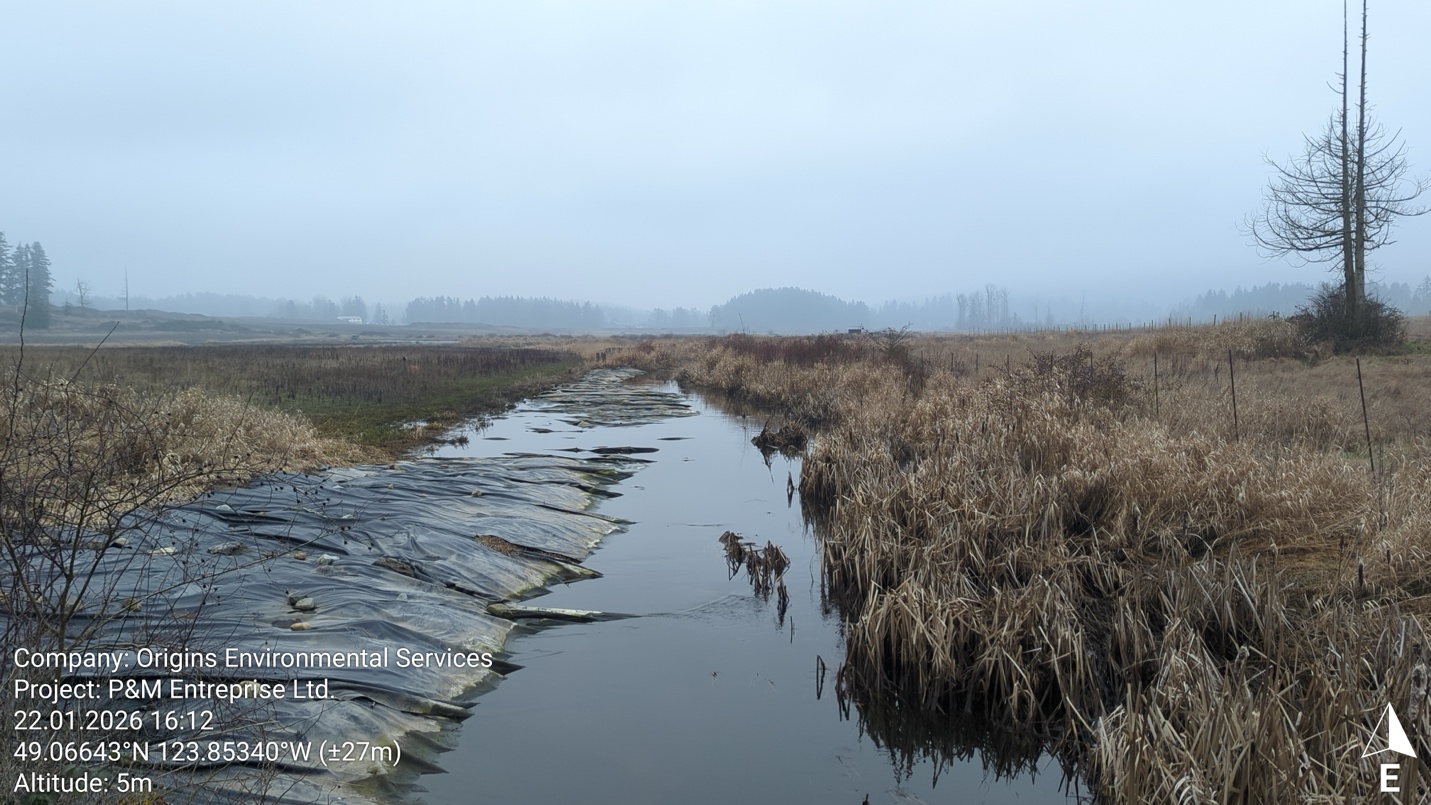
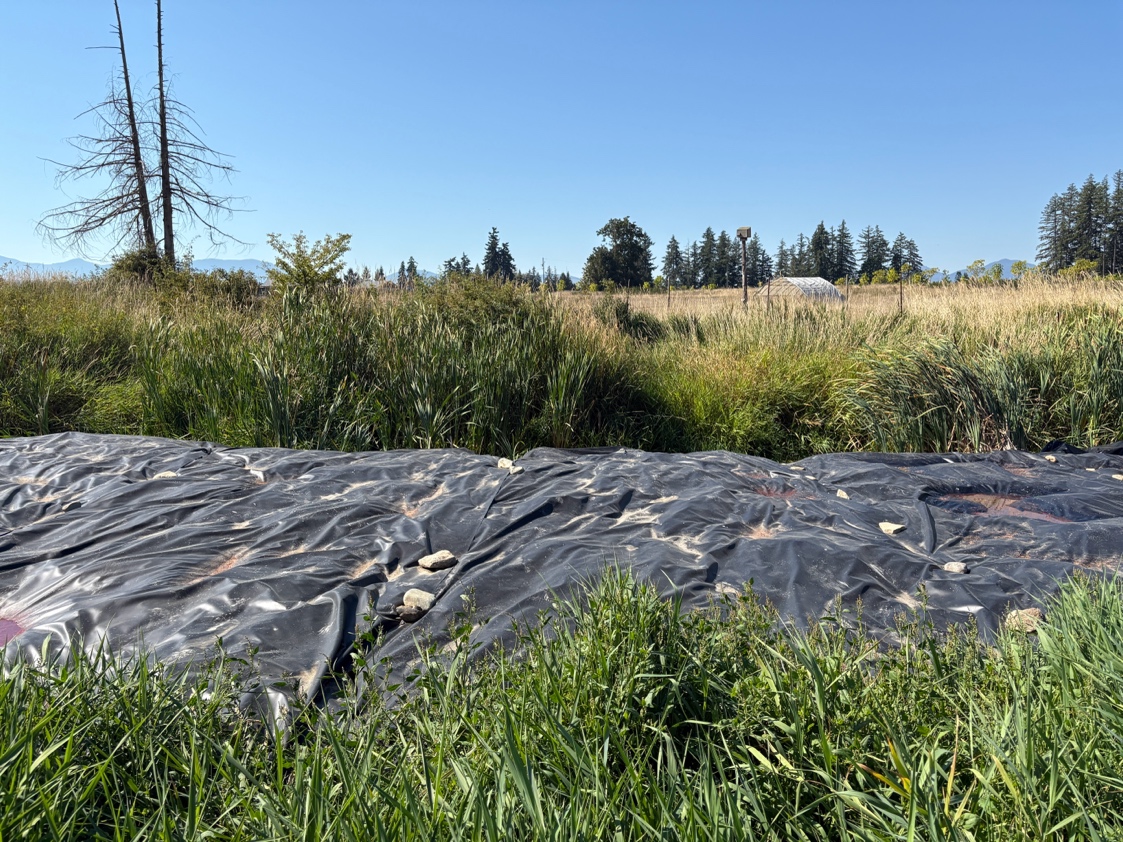
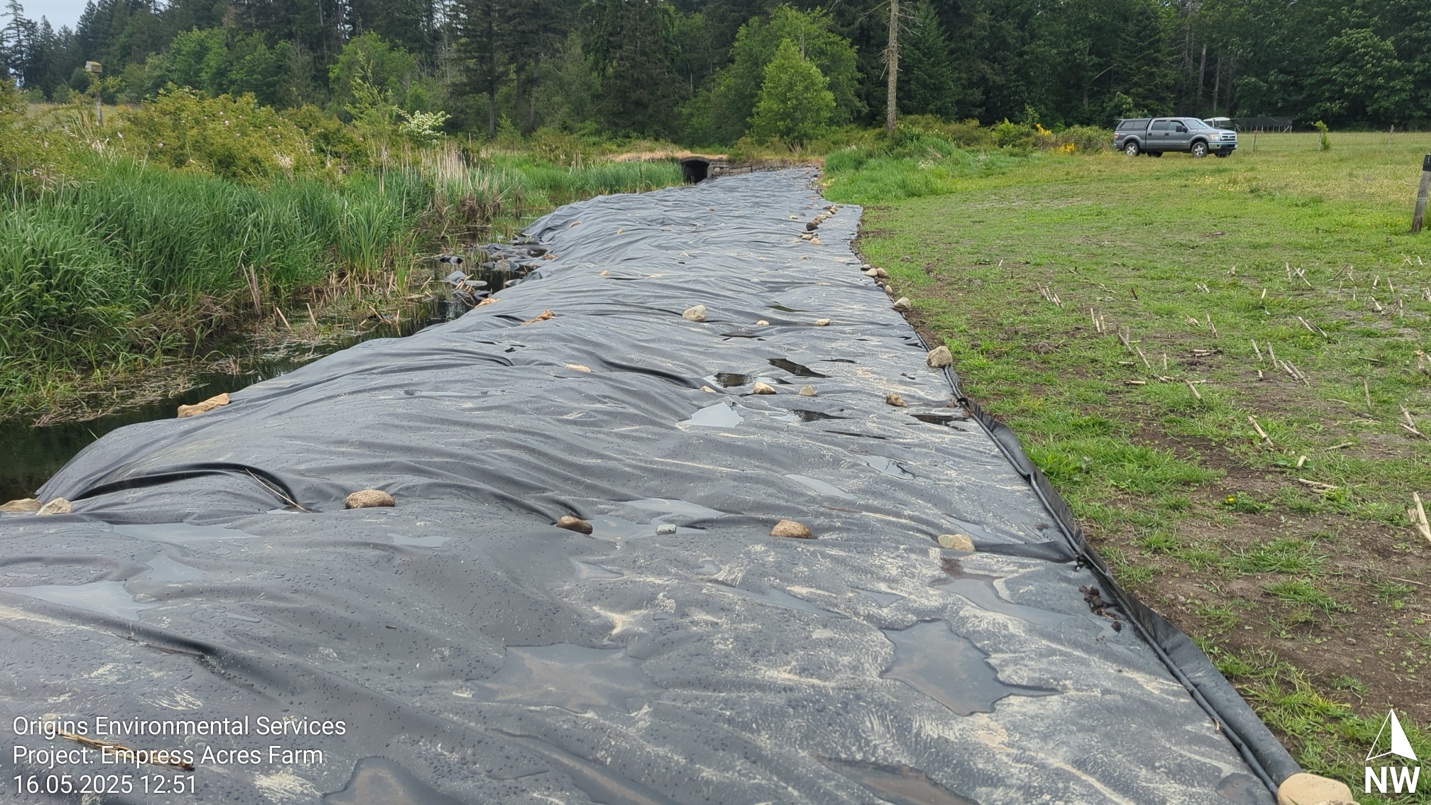
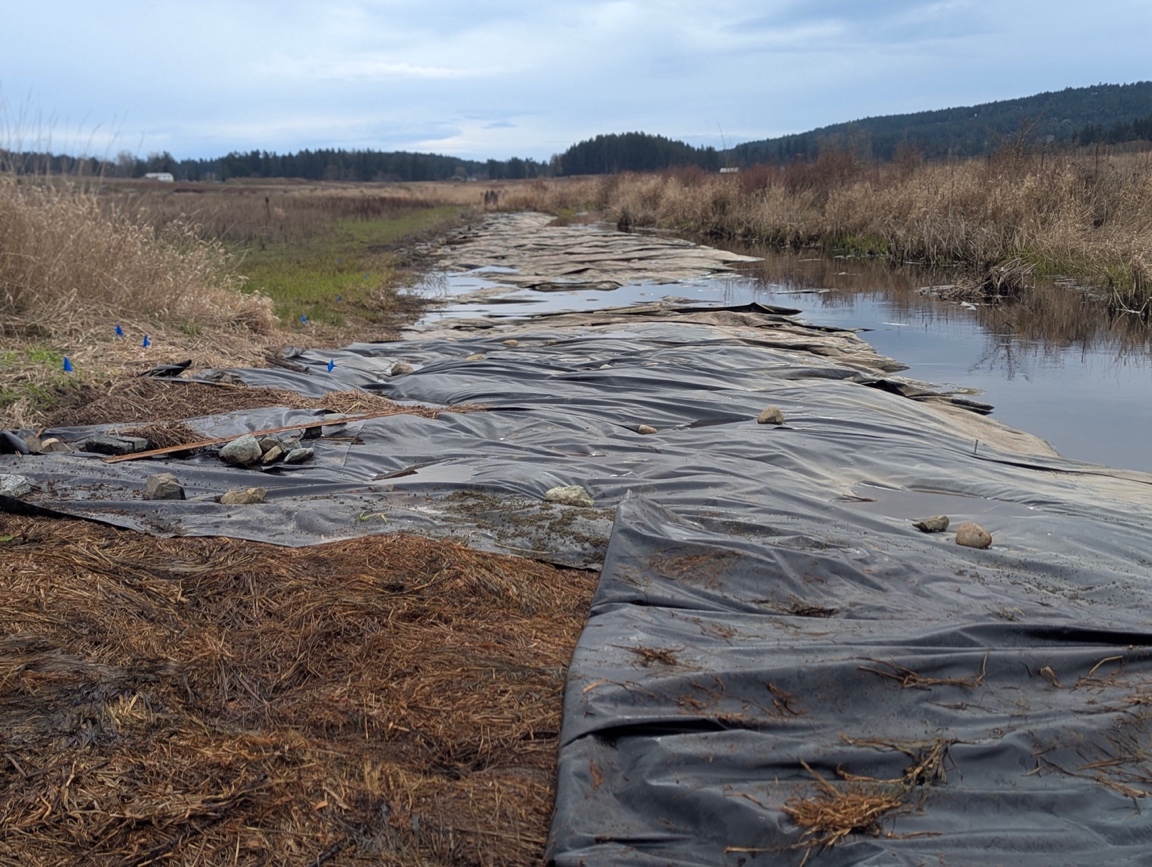
Since 2024, restoration efforts have focused on enhancing riparian and wetland habitat through the successful suppression of 1,000 square metres of RCG, using best management practices with guidance from an experienced invasive species specialist. This involved smothering the RCG using a thick black bioengineered tarp – a material that is highly durable, reusable and safe for the environment.
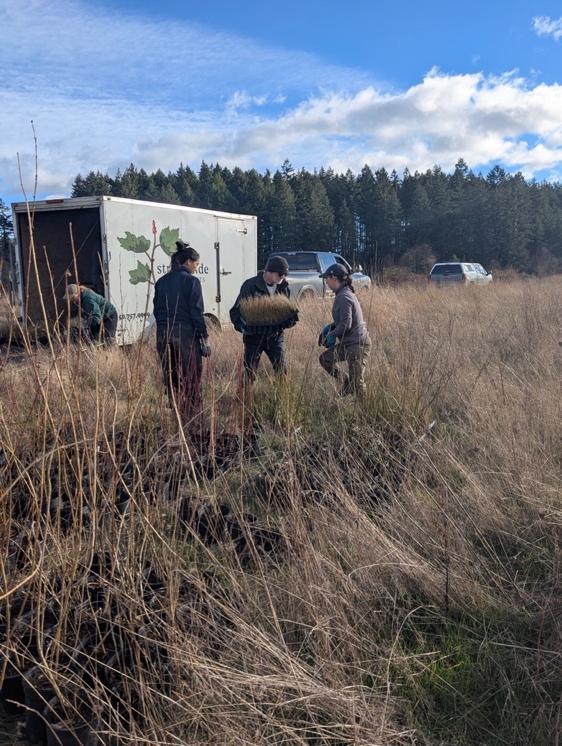
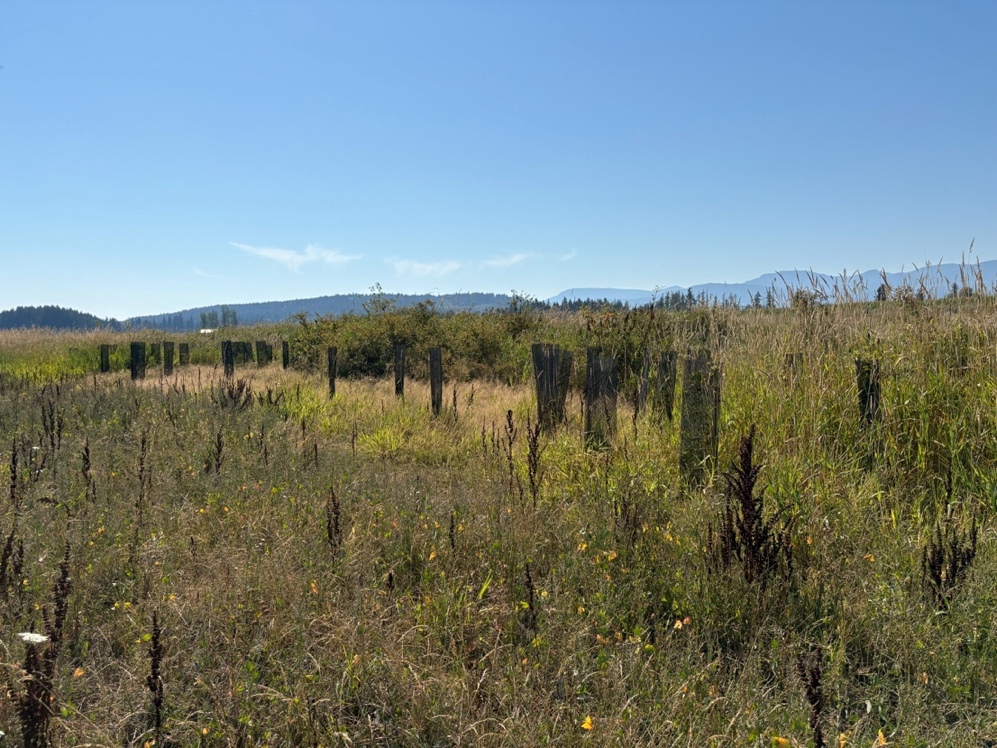
Once the RCG was suppressed, planting of native species was carried out at 30–40 cm spacing to create moderate- to high-density planting. A total of 5,150 native plants were installed to achieve full coverage, consisting of a blend of hydrophilic forbs, sedges, rushes, grasses, wetland shrubs, and trees.
Additionally, restoration efforts have included the direct planting of 300 m2 with native riparian species suited to wetland conditions, in an area less threatened by RCG. This area functions as a comparative plot, supporting the observation and evaluation of different methodologies aimed at addressing long-term reed canary grass management.
These activities have contributed to restoring native vegetation cover, reducing competition from invasive species, and increasing ecological integrity across the site, thereby improving riparian and in-stream habitat for fish and other riparian-dependent species.
This high-density planting approach is intended to outcompete potential regrowth of RCG and establish a resilient native plant community, resulting in rapid site recovery, accelerated ground cover establishment, and improved habitat connectivity within the riparian vegetative buffer.
Over time, this buffer will support more stable water flow conditions in Hokkanen Creek, while helping to minimize summer temperature spikes and drought stress, thereby supporting salmon habitat and overall watershed resilience.
1
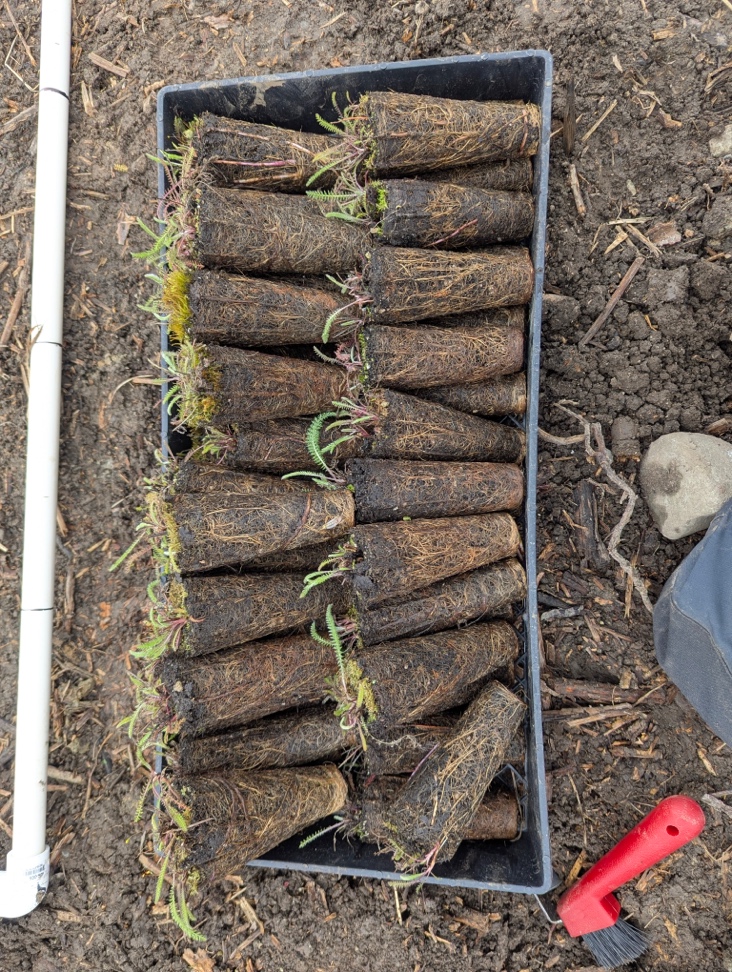
Arrival of plants that 5150 plants that will be placed using high-density planting strategy. February 2026.
2
Restoration of native vegetation cover using plugs allow for higher density planting within budget.
3
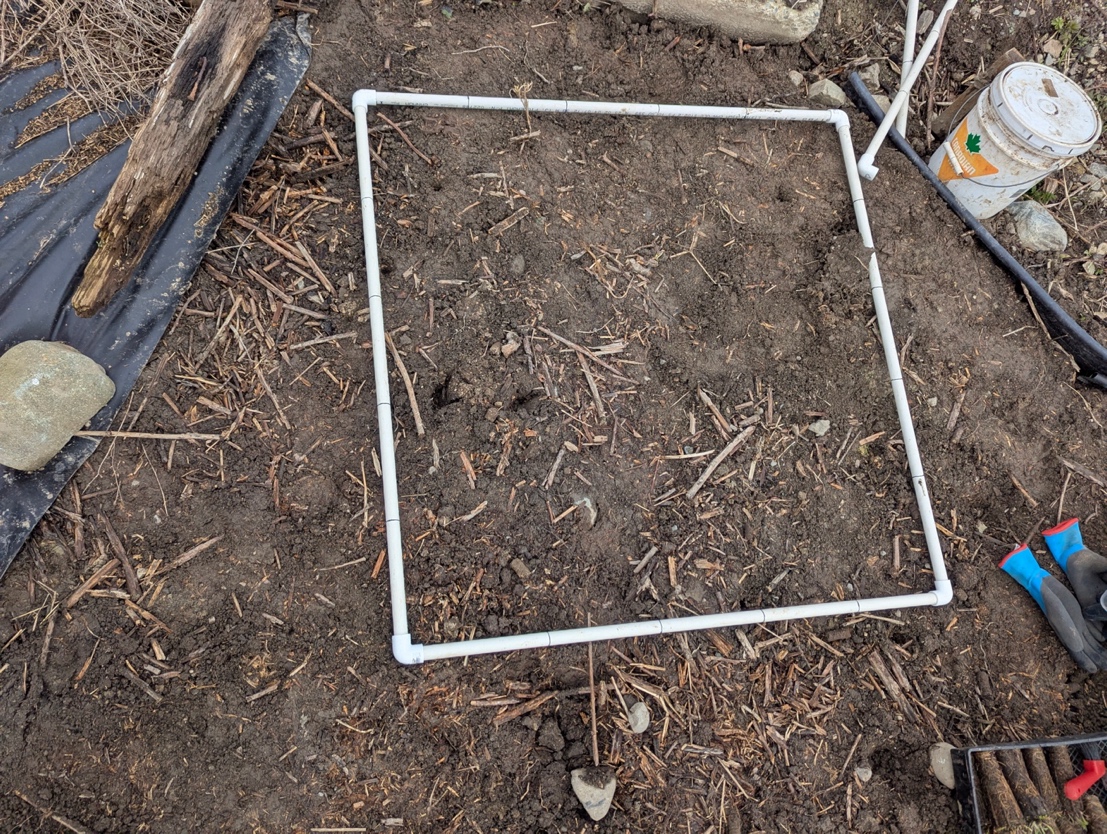
February 2026 – Successful elimination of Reed Canary Grass using smothering technique. The site is ready to be planted.
4
March 2026: Uncovering the liner to begin planting.
5
March 2026 – Soon the liner will be removed and the area will be planted.
6
Reed Canary Grass suppression using smothering techniques along Hokannen Creek – August 2025.
7
Plantings along the streamside for development of riparian area
8
Maps and photos of Hokkanen Creek restoration
9
Reed Canary Grass suppression using smothering techniques along Hokannen Creek – August 2025.
10
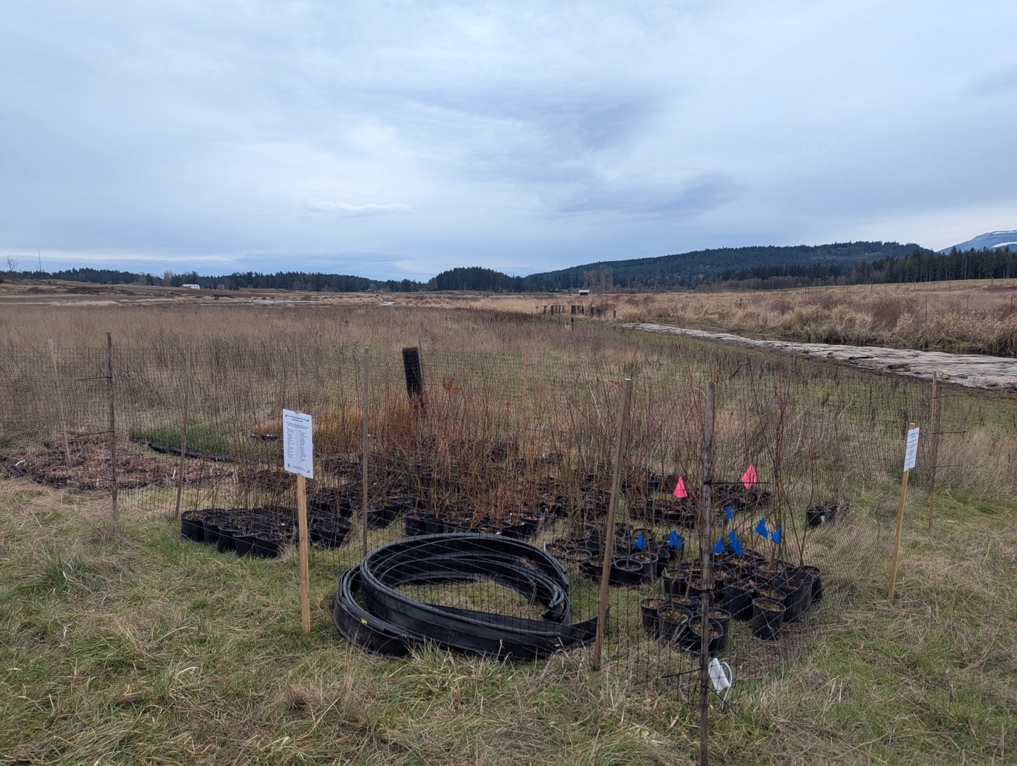
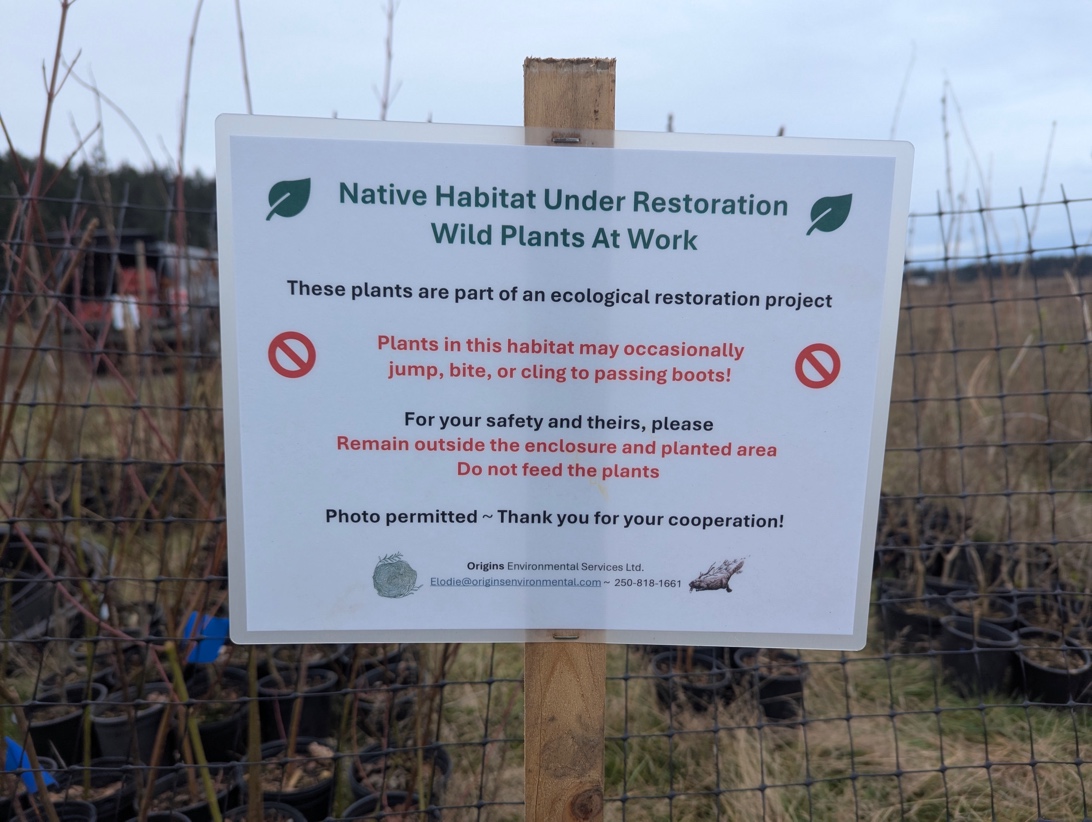
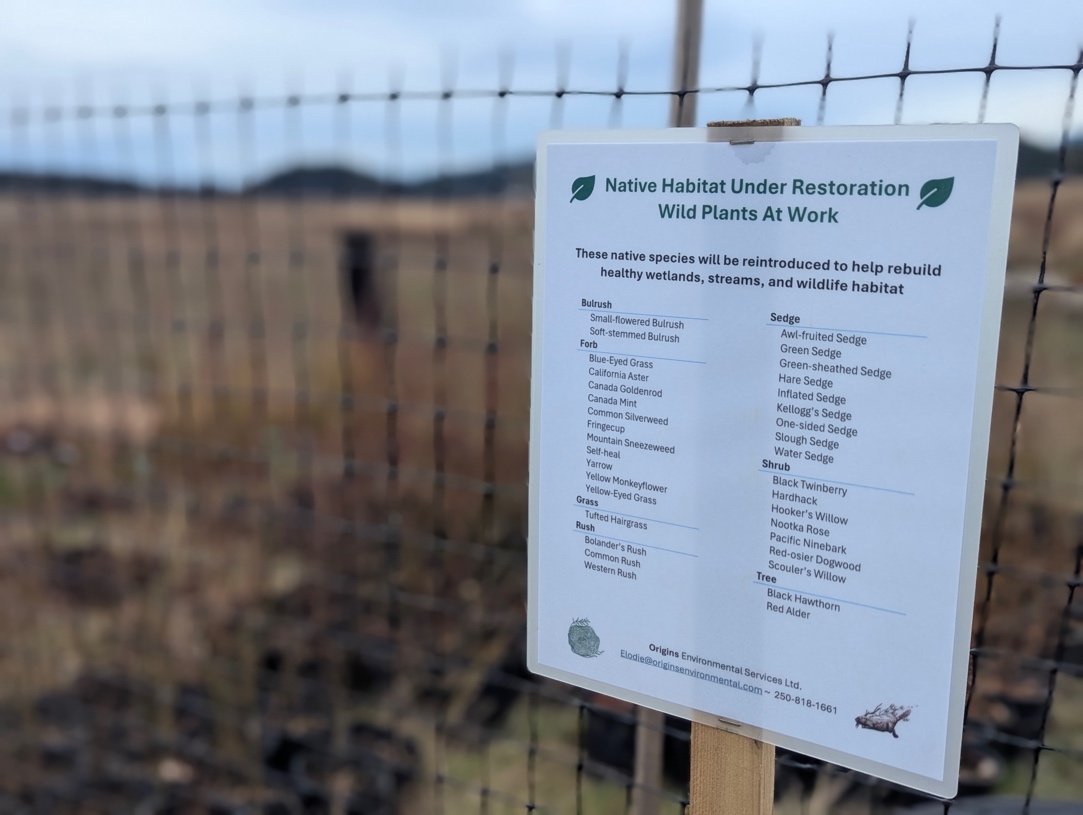
February 2026 – Hydrophilic plants were selected to restore this wetland habitat: native sedges, rushes, grasses, forbs, shrubs and trees. Public education signage was installed around the enclosure.
11
January 2026 – 10 months following liner installation on the right bank of the creek.
12
13
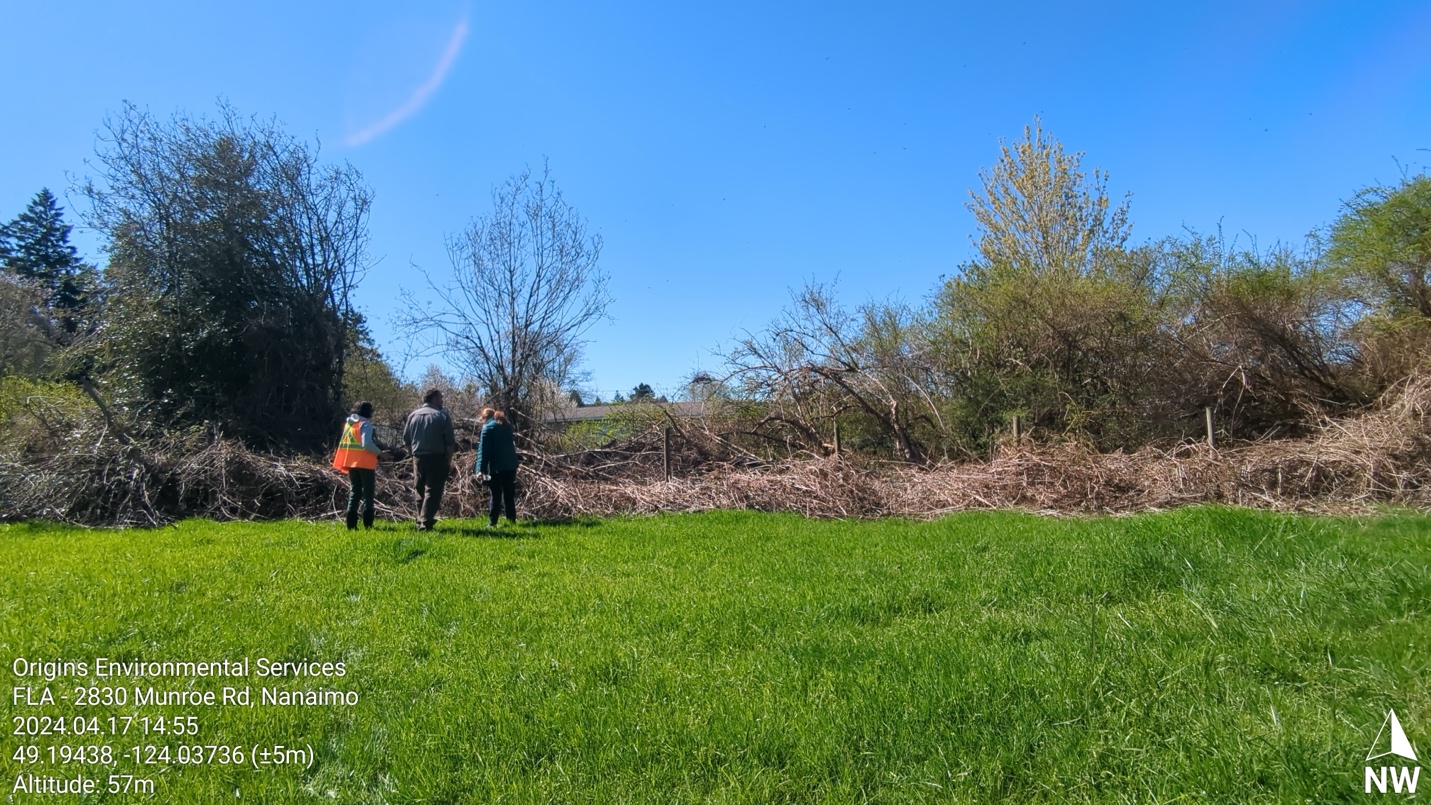
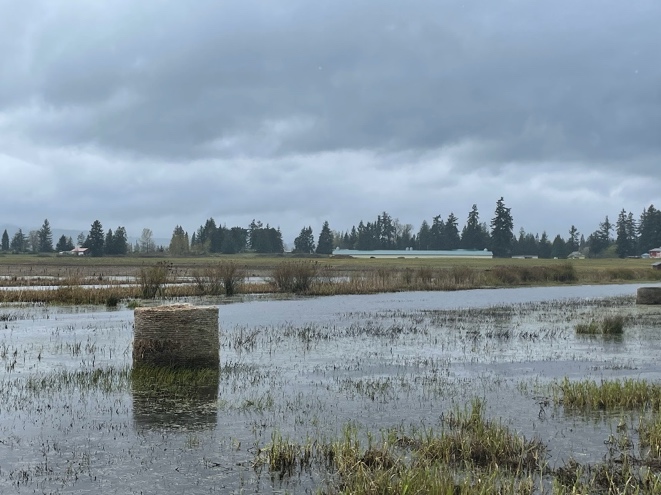
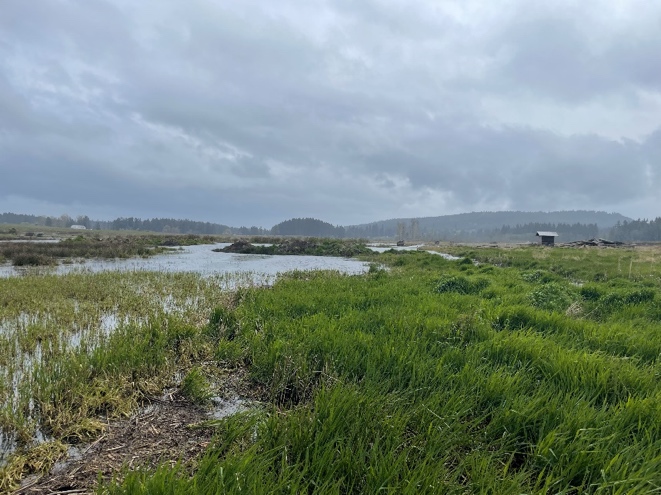
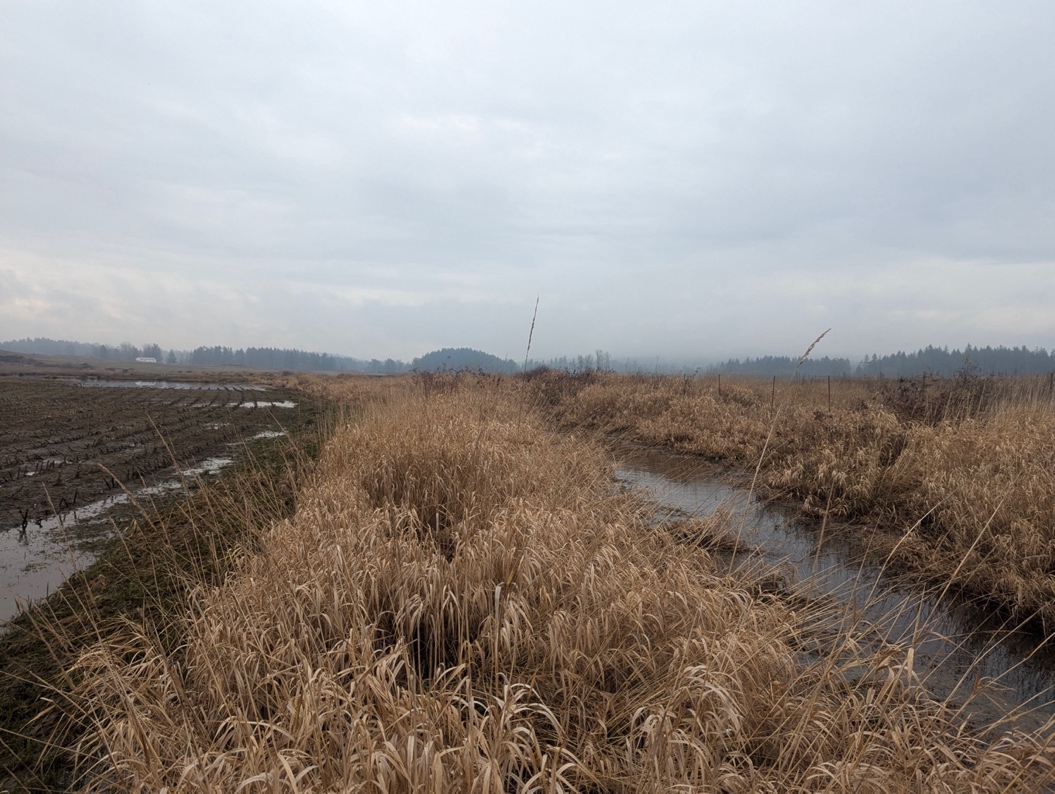
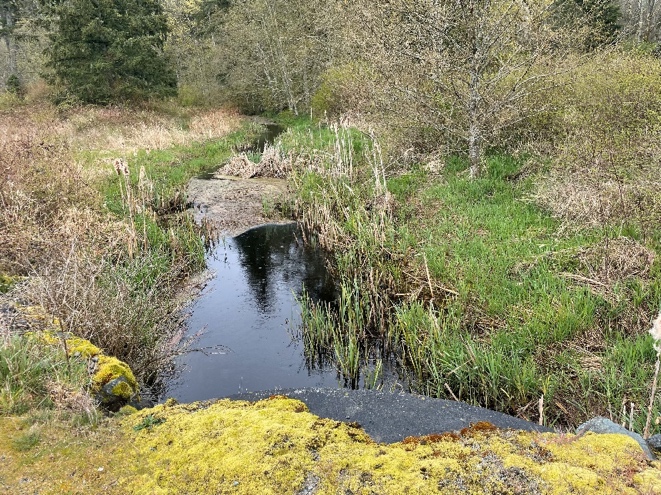
In April 2024 there was a lack of healthy riparian area and as a result flooding onto farm fields occurred.
14
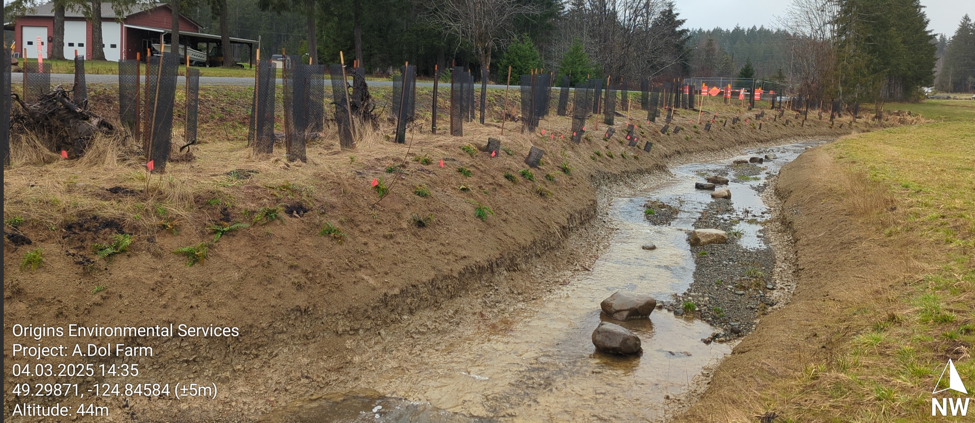
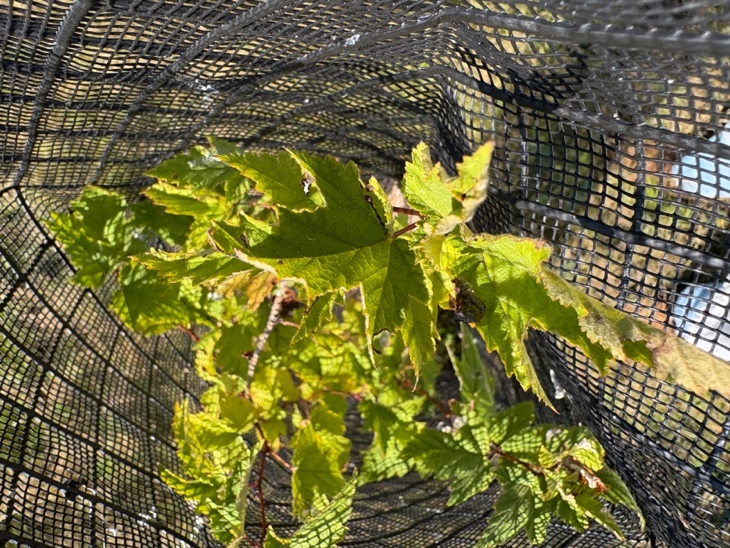
Healthy plantings after year 1 of restoration work.
15
16

17
Site during summer with Reed Canary Grass (RCG) completely choking out the watercourse.
18
March 2026: Uncovering the liner to begin planting.
19
February 2026 – public education signage on the farm re site restoration and plant nursery created on site.
20
Photos taken during site assessment in April 2024
21
22
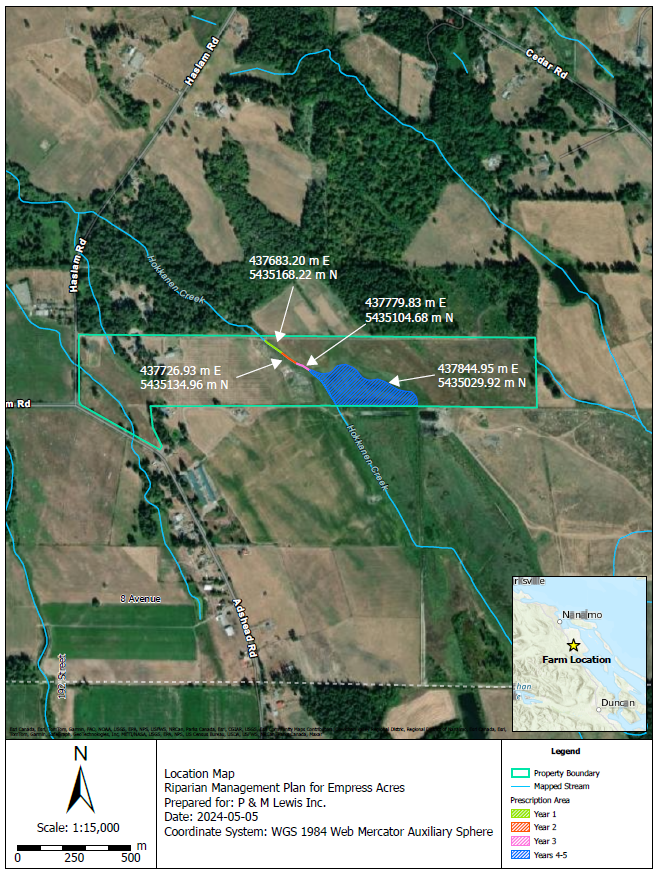
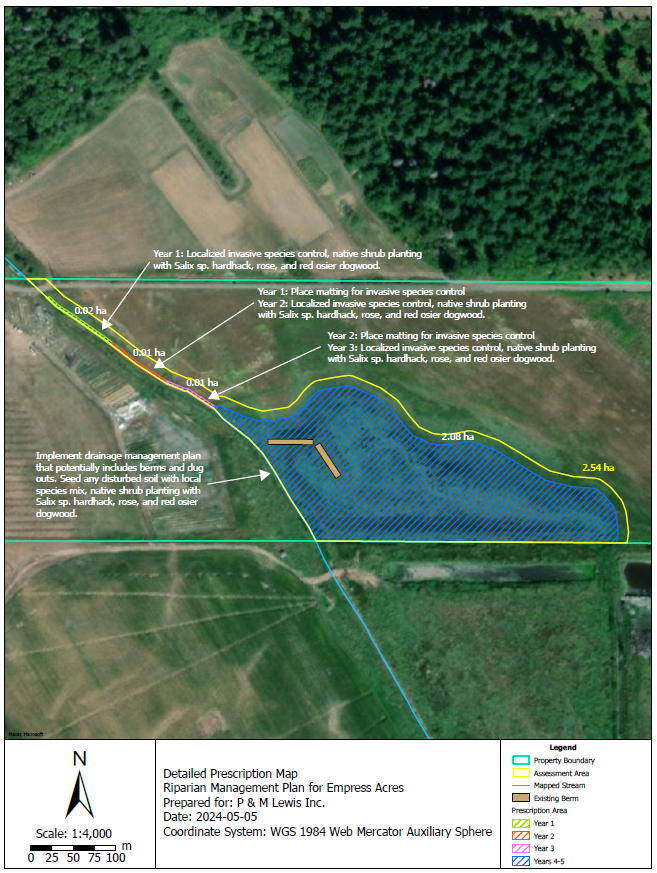
Map of restoration area of focus.
21
Close-up photos of the black material used to smother the Reed Canary Grass.
24
February 2026 – public education signage on the farm re site restoration and plant nursery created on site.
25
In April 2024 there was a lack of healthy riparian area and as a result flooding onto farm fields occurred.