
A Proactive Approach to HPAI Prevention
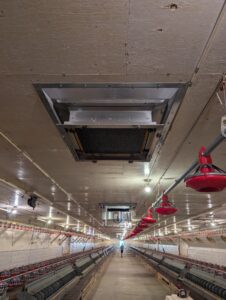
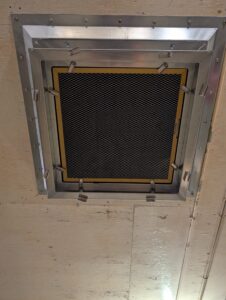
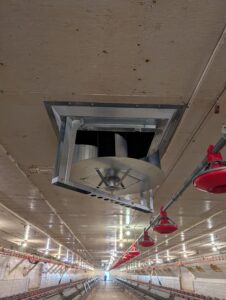
With funding support, G&G Poultry have installed UV-C air disinfection systems and upgraded its ventilation infrastructure with a positive-pressure ventilation system.
The UV-C technology works by inactivating airborne pathogens as air enters the barn, while the positive-pressure ventilation system maintains higher air pressure inside the barn, helping prevent potentially contaminated outdoor air from entering through gaps and openings.
“We’ve experienced firsthand the devastating impact of Avian Influenza,” says Shane Driessen, President of G&G Poultry Ltd. “Our farm has been infected twice, and each time the consequences have been significant, both emotionally and financially. These experiences have reinforced our commitment to strengthening on-farm biosecurity and investing in new technologies that can help reduce our future risk.”
Driessen says the new systems represent more than just infrastructure upgrades.
“Together, these technologies form an added layer of protection that complement our existing biosecurity practices, helping to create a cleaner, safer environment for our birds and staff. Our goal is simple: to build long-term resilience against disease while contributing to a stronger, more sustainable poultry sector in British Columbia.”
This targeted investment in innovation helps producers respond to ongoing disease threats while testing practical solutions that may benefit the broader industry.
“By investing in these innovative tools, we hope not only to protect our own flocks but also to demonstrate practical solutions that other producers can consider to reduce their own risk,” says Driessen. “This project represents both a response to past challenges and a proactive step toward the future, where prevention, innovation, and collaboration work hand-in-hand to safeguard animal health and the livelihoods that depend on it.”
The Novel Tools and Technology for HPAI Prevention Pilot Program (NTT), funded by the Province of British Columbia as part of the Food Security Initiative, was created to evaluate the practicality and effectiveness of emerging technologies that can help reduce the risk of HPAI on commercial poultry farms. By supporting producers in testing innovative approaches, the program aims to strengthen on-farm biosecurity and reduce the overall impact of HPAI across the province.
Through projects like this, NTT is helping BC poultry producers build resilience, strengthen biosecurity, and explore innovative approaches to protecting animal health and food security for years to come.