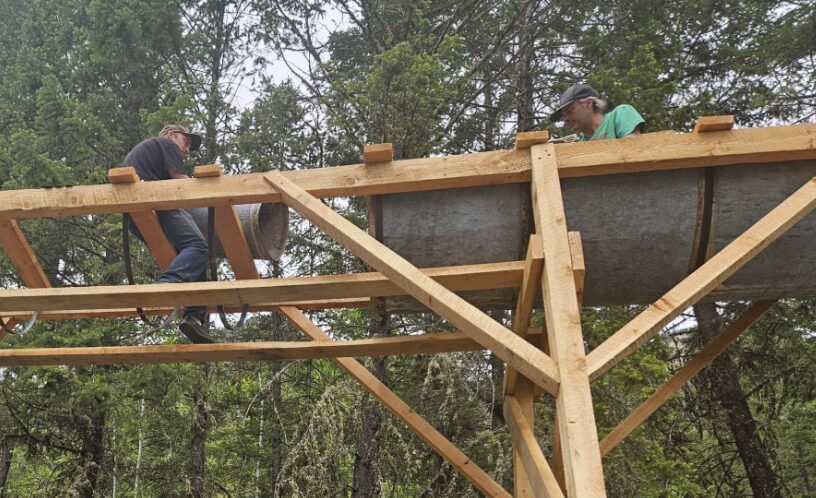
For more than a century, the Vermilion Irrigation District (VID) has played a vital role in delivering irrigation water to farms in the Edgewater area of British Columbia. Established in 1911, VID is responsible for operating and maintaining a historic dam on Kindersley Creek and a 16‑kilometre flume system that now supplies water to 93 farms, supporting over 500 hectares of agricultural land.
As climate change, aging infrastructure, and growing maintenance demands placed increasing pressure on this historic system, VID turned to provincial support to secure its future. Through funding from the Government of British Columbia and delivery by IAF, VID accessed critical funding under both the Agricultural Water Infrastructure (AWI) Program and the Agriculture Water Program (AWP) to stabilize, assess, and improve water infrastructure that is essential to local food production.
Strengthening Infrastructure Through AWI
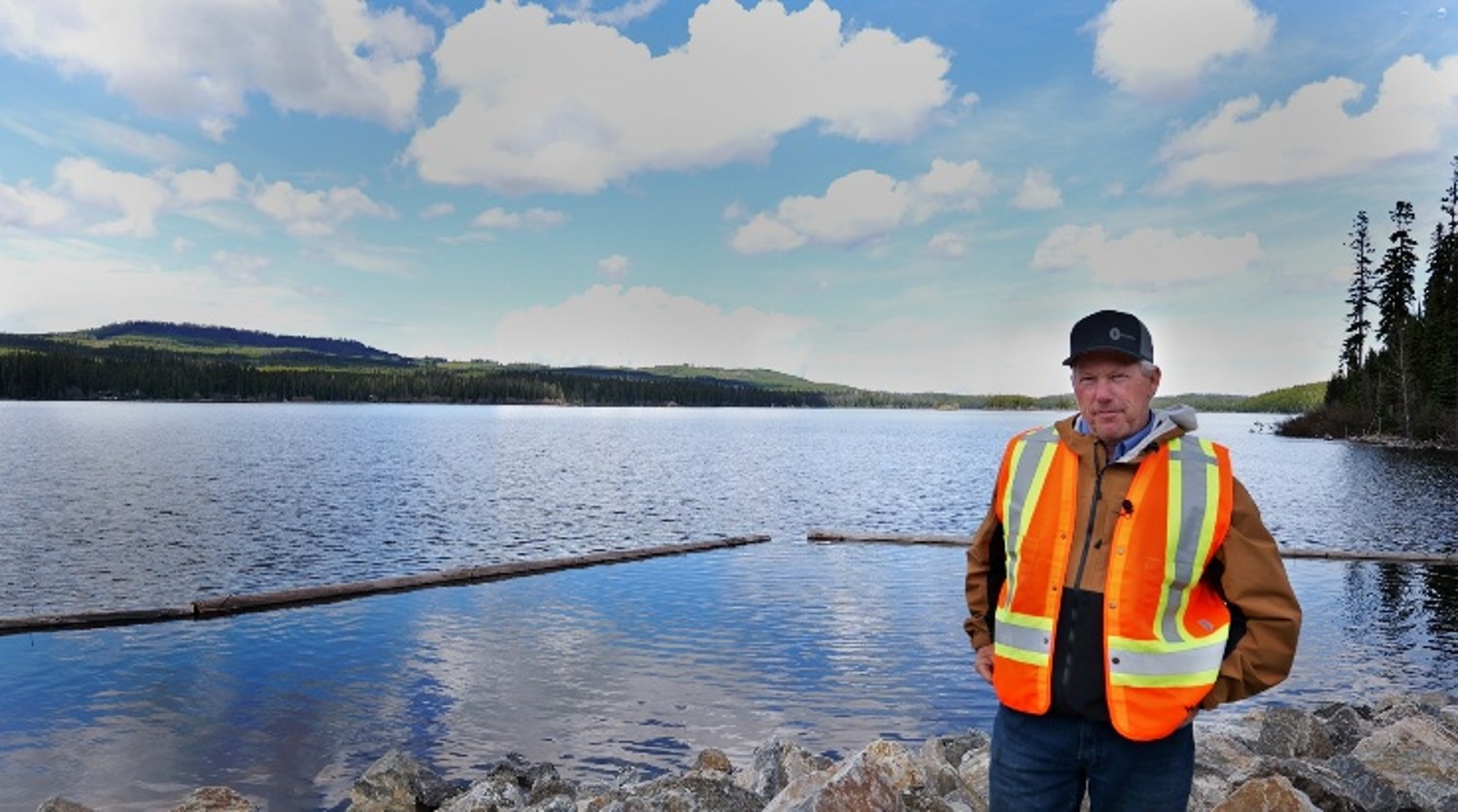
In 2023/24, VID received funding under AWI Stream 1 to complete Phase 2 repairs to the Kindersley Creek dam, including rehabilitation of the main gate, spillway, screening system, and distribution box. These upgrades replaced severely worn timbers, boards, tin, and screening, ensuring the dam continues operating reliably, as it has for more than 110 years
Recognizing the need for long‑term planning, VID also secured funding through AWI Stream 3 to commission an engineering study of approximately eight kilometres of aboveground flume that remains highly vulnerable to rockslides, falling trees, extreme weather, and wildfire risk. The study provided VID with a cost‑effective, phased roadmap to reduce risk and annual maintenance costs while improving water reliability for irrigators.
Turning Planning into Action with AWP
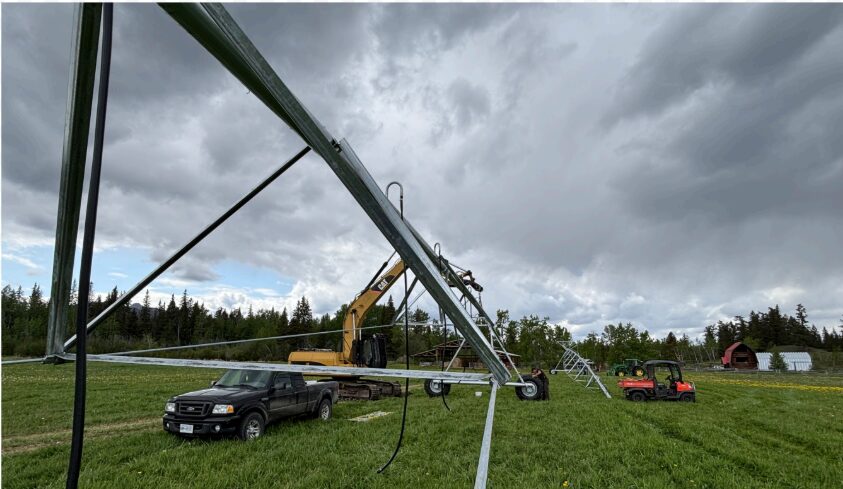
Building on the AWI‑funded engineering recommendations, VID was awarded funding through the Agriculture Water Program (AWP) to implement priority upgrades. This included repairs to a critical distribution tank and plumbing system, as well as large‑scale replacement and levelling of flume sections to increase water flow and better utilize VID’s licensed water supply.
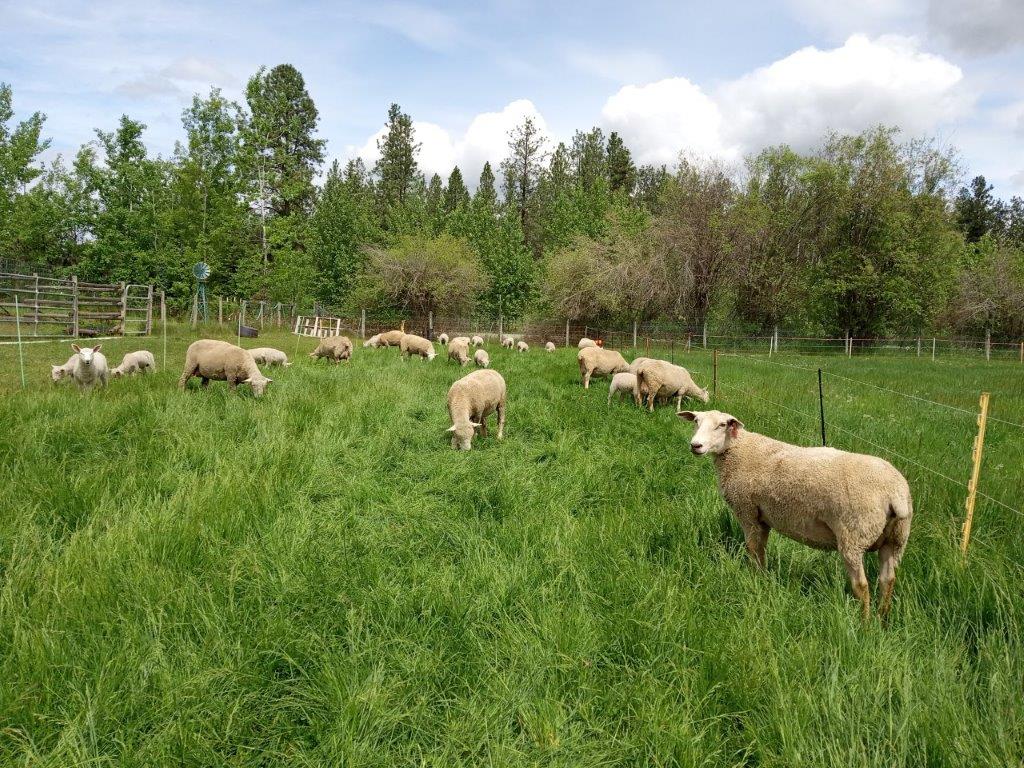
The results were immediate and measurable. Post‑project, VID improved irrigation reliability for farms experiencing water shortages, enabled service expansion to additional users, and increased agricultural productivity. Irrigated area rose from 201.57 to 225 hectares, while the annual value of irrigated crops increased to an estimated $425,000 with forage accounting for over 90% of production. Livestock capacity and value also grew substantially, demonstrating the broader economic impact of reliable water access.
Together, the AWI and AWP programs enabled VID to move from urgent repairs to long‑term, strategic infrastructure improvement. By safeguarding a century-old irrigation system, these investments ensure long-term water security, improved climate resilience, and continued agricultural productivity for the Edgewater community.
As noted by VID volunteer Brock Elliott, the projects “have been a huge success,” improving water flow, resolving long‑standing issues, and strengthening confidence in the reliability of this historic irrigation system for years to come.
The Government of BC funds the AWI and AWP programs via the Ministry of Agriculture and Food. The programs are delivered by IAF.
Share This Story, Choose Your Platform!
 A High Level of Water Security: Rebuilding the Beaver Lake Dam