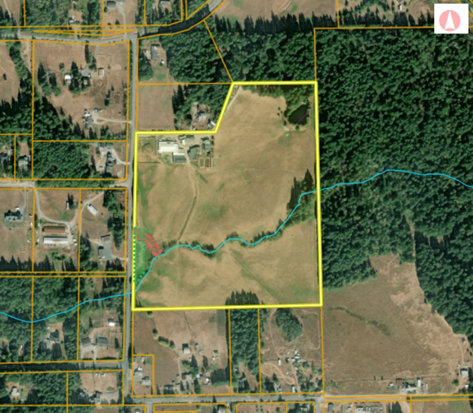
Plested Creek, a tributary of the Somass River near Port Alberni, is a high‑priority watershed that supports salmon spawning and rearing, as well as several Species at Risk. Over the past two decades, reduced seasonal flows and channel degradation caused large sections of the creek to run dry, disconnecting historic fish habitat and weakening riparian function.
Beginning in 2022, the landowner initiated restoration with guidance from a Qualified Environmental Professional. Follow‑up assessments identified the need for stronger riparian vegetation and replacement of an aging culvert that was disrupting flows. Through the Scaling the Implementation of Riparian Restoration (SIRR) program, utilizing a Payment for Ecosystem Services (PES) model, restoration work was phased to rebuild bank stability, improve hydrological connectivity, and restore habitat complexity.
Phase 1 (2023–2025) focused on revegetating the right bank with more than 600 native trees, shrubs, and herbaceous plants, supported by bioengineering techniques such as live‑staking. Early signs of recovery were observed, including fish use of the restored channel. A major storm in February 2025 caused significant erosion, highlighting the importance of infrastructure upgrades; the culvert was subsequently replaced by the Ministry of Transportation.
Phase 2 (2025–2026) built on this foundation by strengthening both banks, adding hundreds more native plants, live stakes, coarse woody debris, and protective measures to support plant establishment. While some restoration remains planned for a future phase pending funding, the project has already improved channel stability, riparian cover, and long‑term resilience—helping re‑establish Plested Creek as healthy, connected habitat for aquatic and terrestrial species.
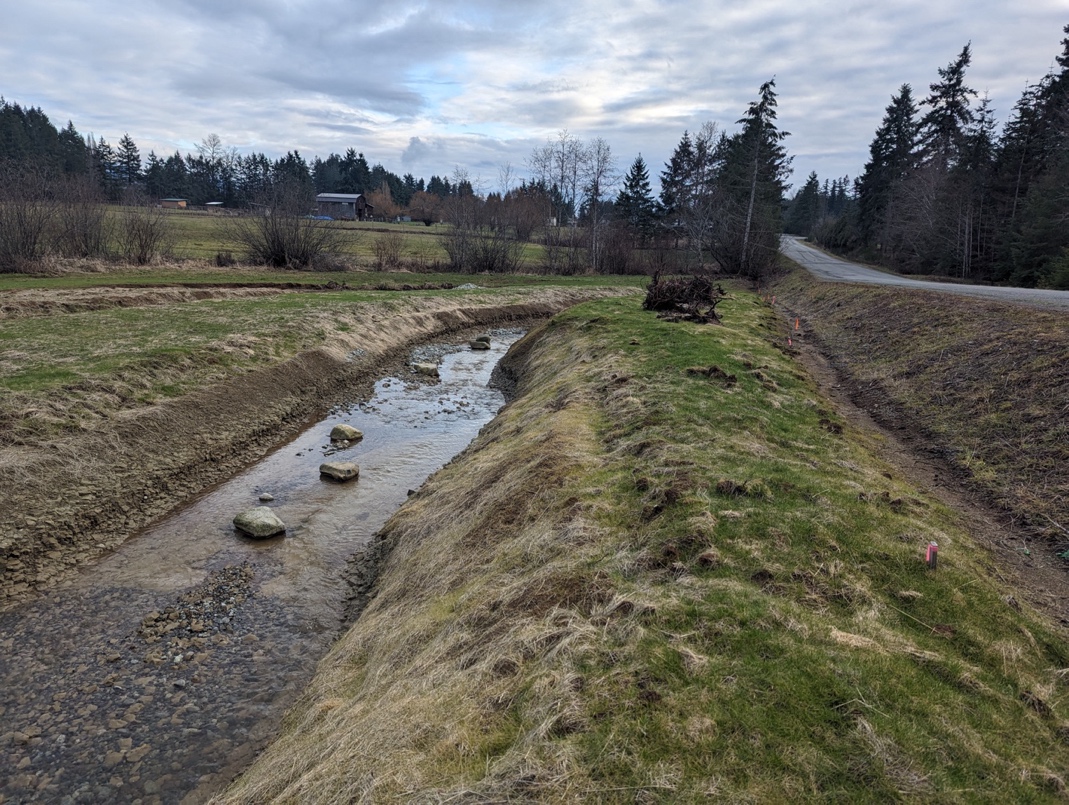
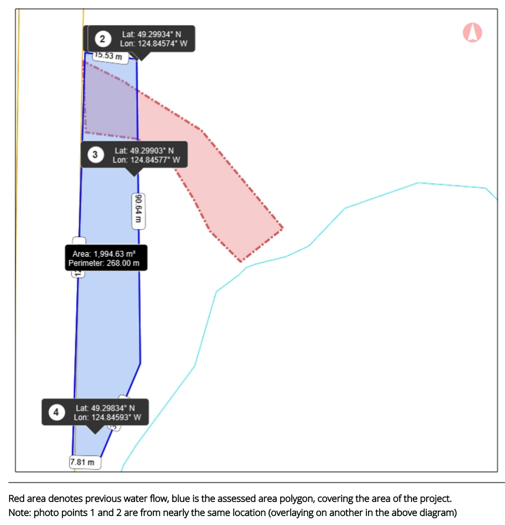
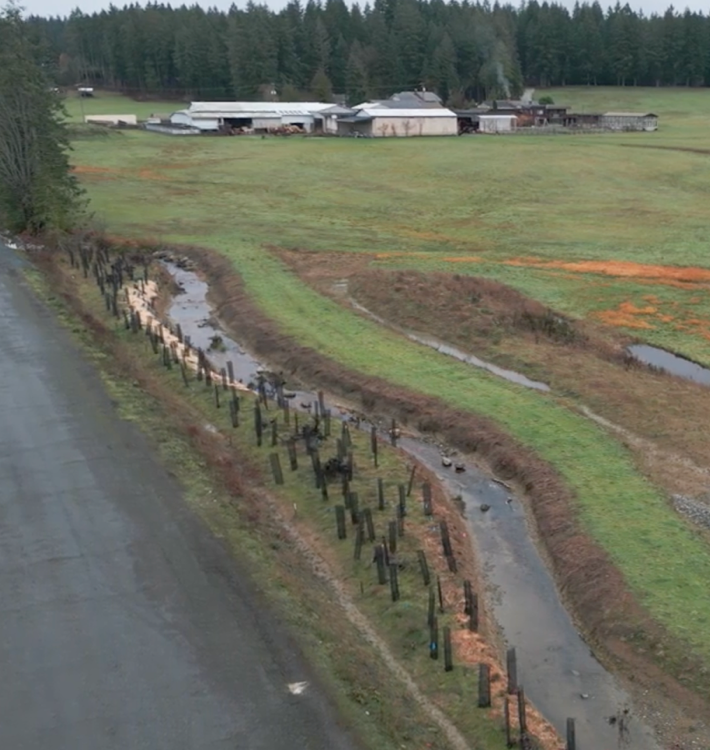
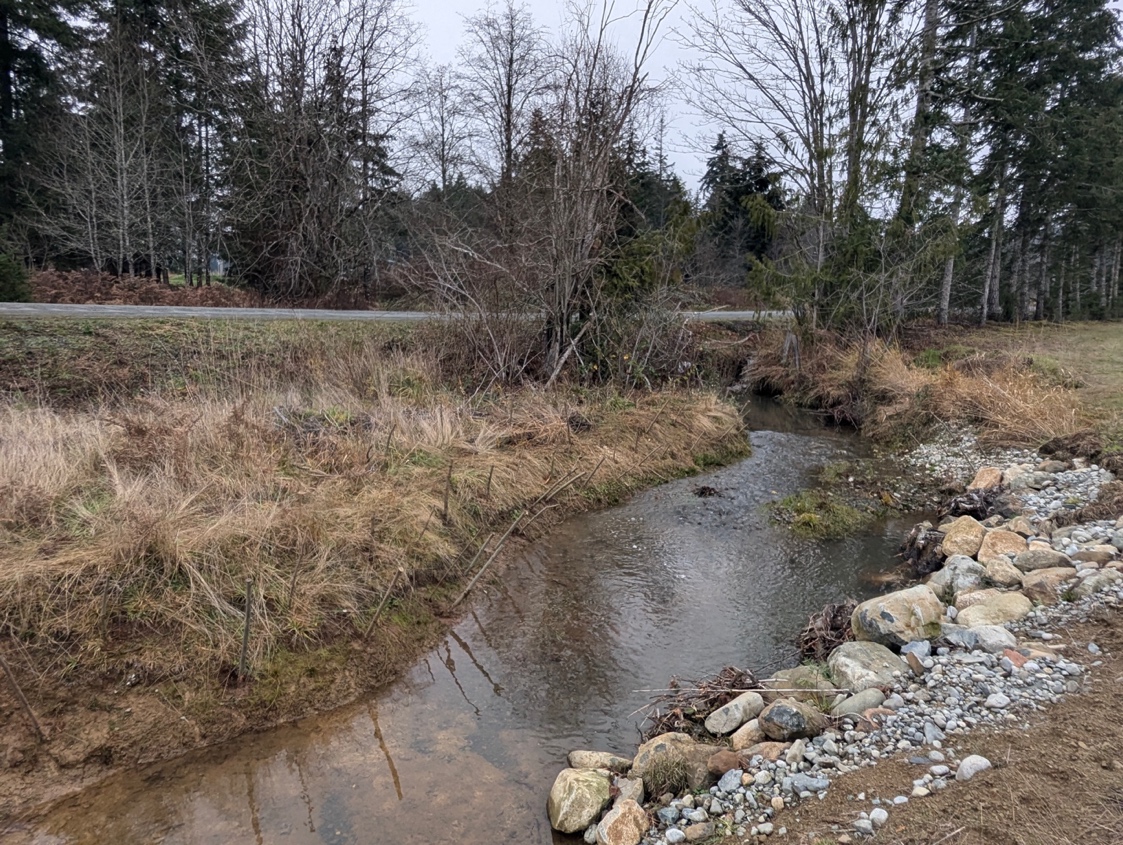
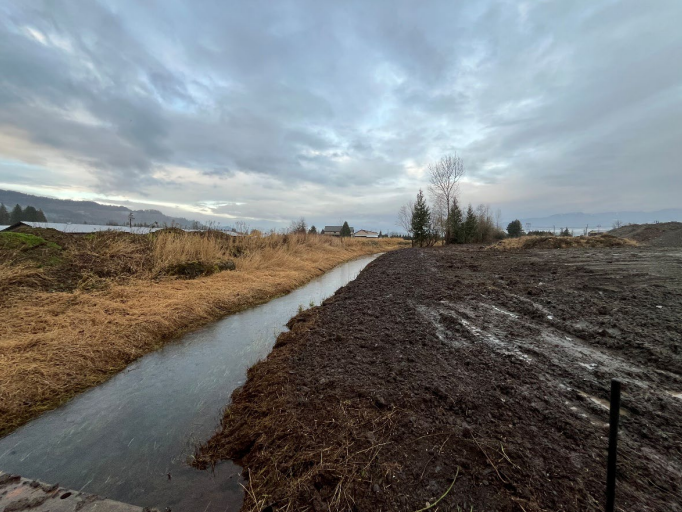
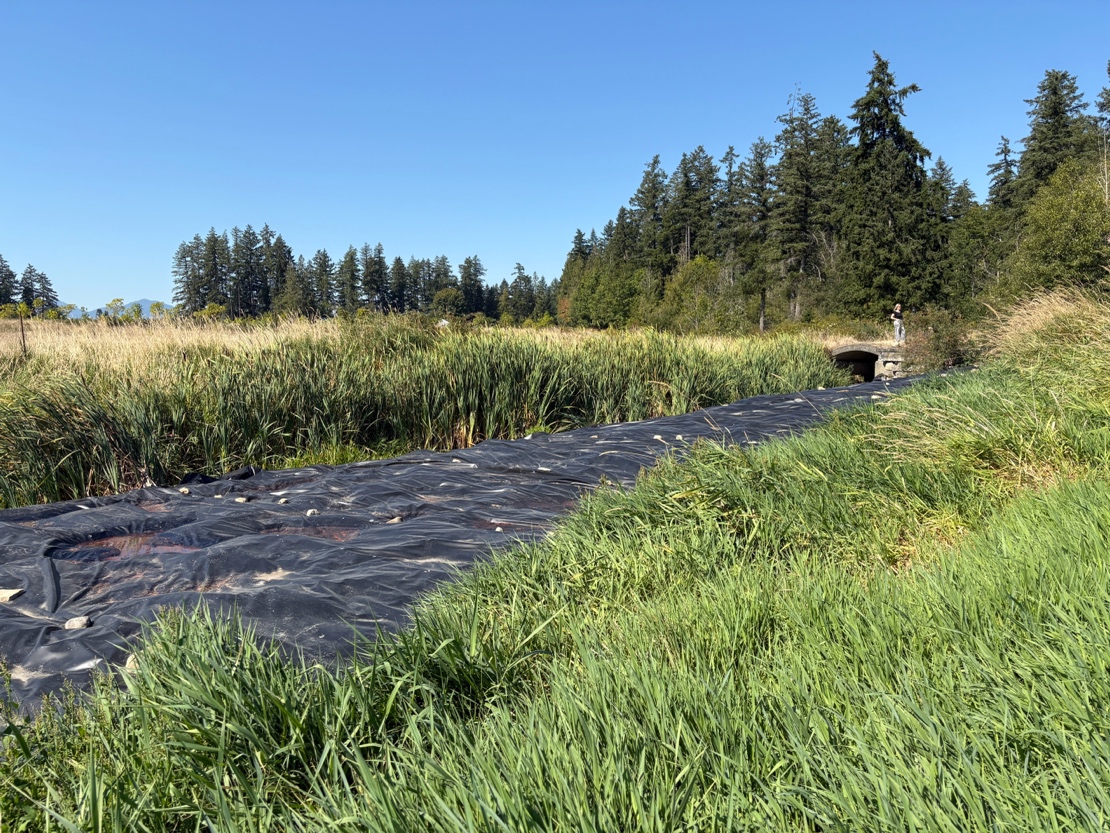
Over the last 20 years, conditions within this reach of Plested Creek have significantly changed. The creek, which once flowed more consistently, started to run dry for much of the year, isolating large portions of the historic salmon spawning habitat (see 2022 photo). As seasonal flows diminished, the ecological connectivity of the channel was reduced, limiting access for fish and weakening the resilience of the surrounding riparian ecosystem.
In addition to salmon, the creek corridor also provides habitat for several Species at Risk, including Northern Myotis (Myotis septentrionalis), Little Brown Myotis (Myotis lucifugus), and the Western Painted Turtle (Chrysemys picta bellii).
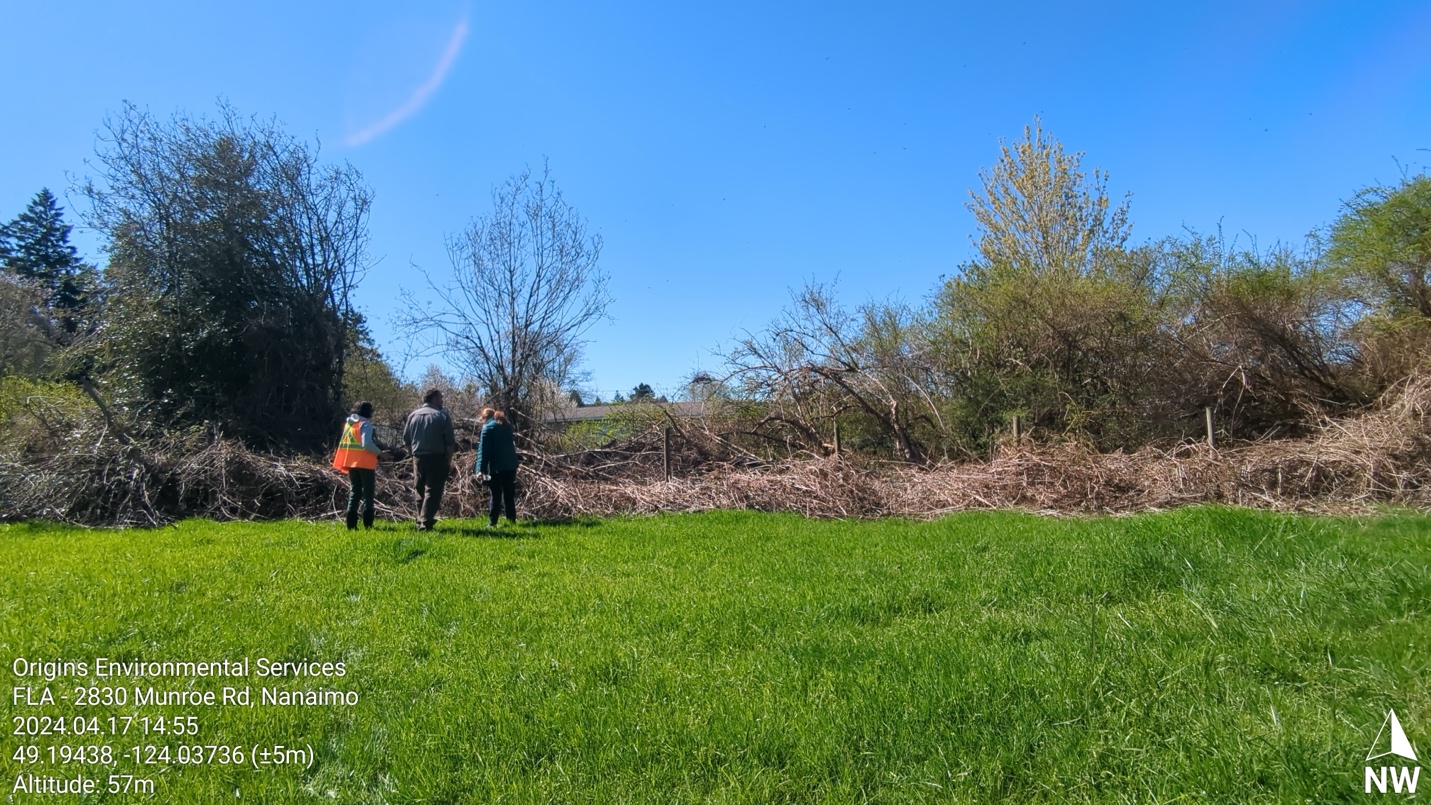
In 2022, the landowner took the initiative to begin restoring the channel under the guidance of a Qualified Environmental Professional. In 2023, a follow-up site assessment identified several factors contributing to the degradation of the riparian corridor. While the channel had been newly restored, it required the establishment of a healthy riparian vegetation buffer, as canopy cover remained limited in some areas and signs of soil disturbance were evident along the banks. The assessment also identified an aging culvert in need of replacement, which was affecting water flow and contributing to channel instability.
The in-stream habitat restoration undertaken at that time aligned well with opportunities for riparian enhancement through the Scaling the Implementation of Riparian Restoration (SIRR) program, utilizing a Payment for Ecosystem Services (PES) model. The site was adopted into the program in 2023. An IAF Planning Advisor conducted a Riparian Health Assessment as a first step. Based on this assessment, restoration priorities were identified by the Professional Agrologist in 2023, including:
Planting native trees and shrubs along approximately 1,040 m² of riparian habitat to rebuild vegetation structure and provide long-term bank stability.
Working with the Ministry of Transportation and other partners to replace the failing culvert and improve hydrological connectivity.
Phase 1: Riparian Recovery
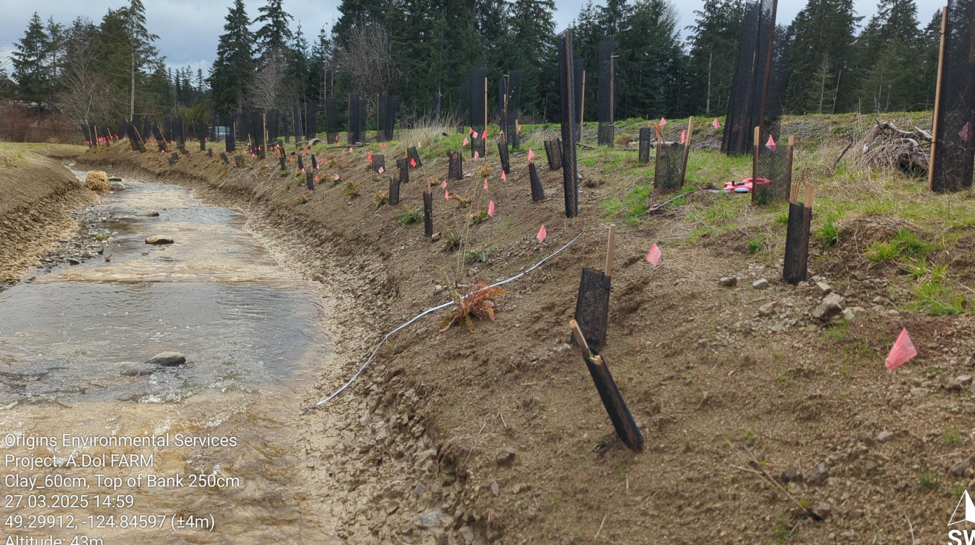
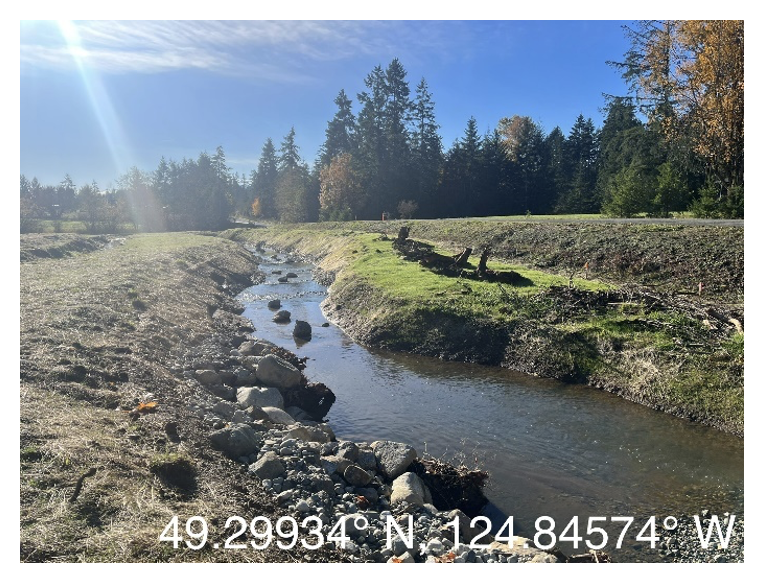
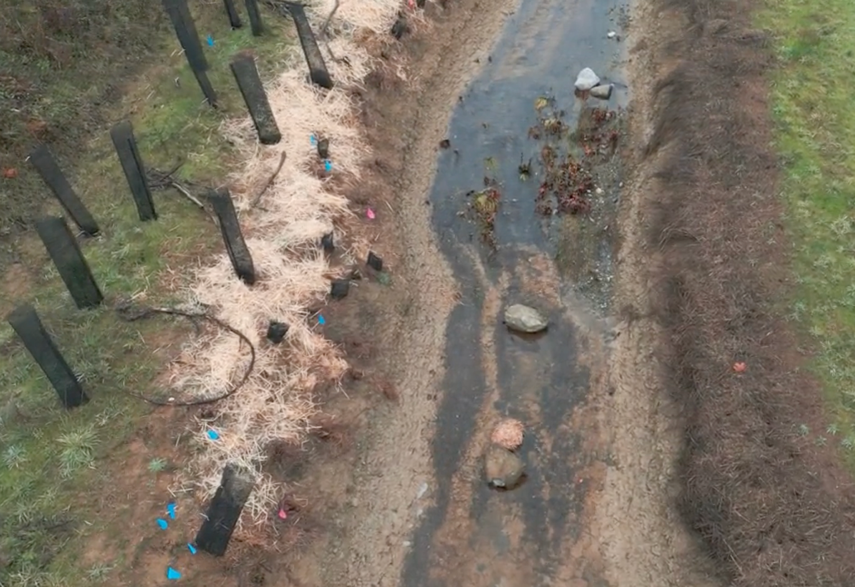
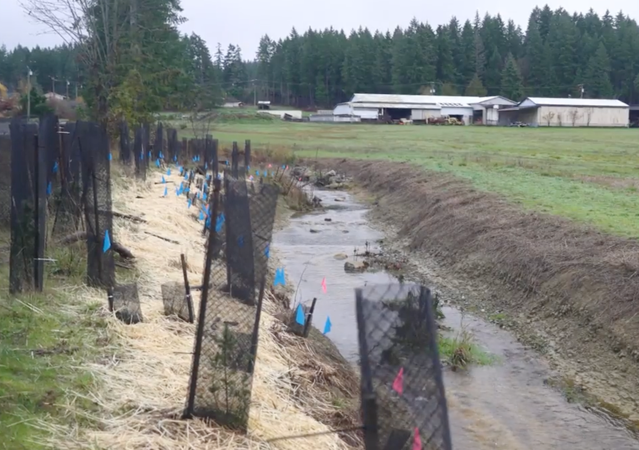
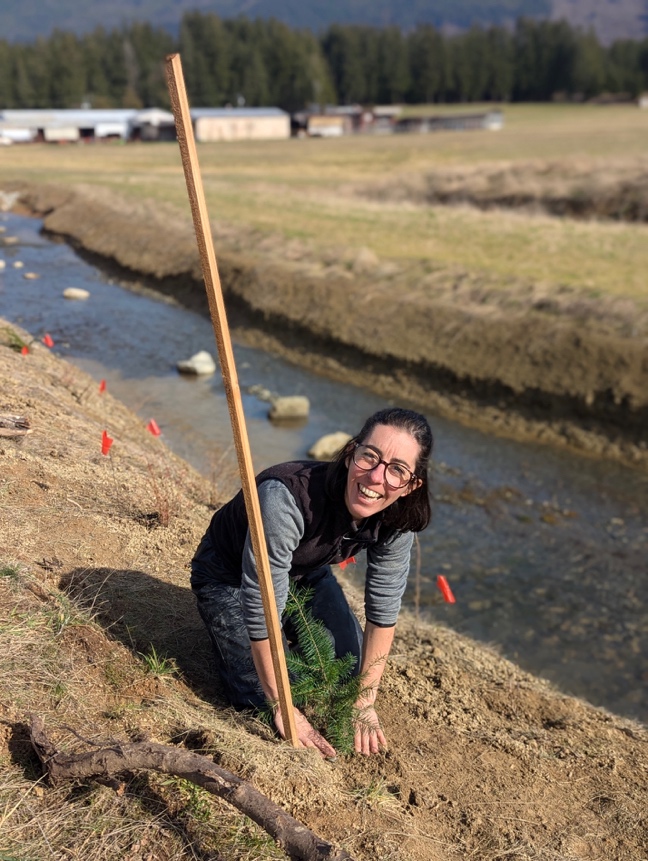
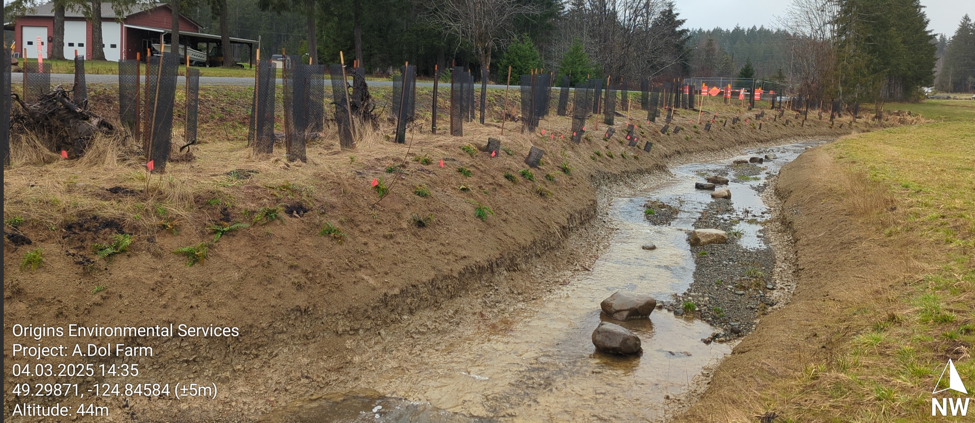
Beginning in 2023, restoration efforts focused on rebuilding the riparian corridor along the right (west) bank of the channel, extending across the entire 130-metre reach. More than 600 native plants were installed during Phase 1 of the restoration program, including a diverse mix of trees, shrubs, and herbaceous species selected for their ecological suitability, erosion control capacity, and contribution to habitat complexity. Bioengineering techniques such as live staking were incorporated into the restoration design to stabilize banks, improve soil structure, and promote long-term vegetation establishment.
This work marked the completion of Phase 1 of channel revegetation, designed to restore both aquatic and riparian habitat along Plested Creek.
Encouragingly, fish were soon observed within the restored channel, signaling early signs of ecological recovery and habitat uptake.
A Major Storm and an Unexpected Setback
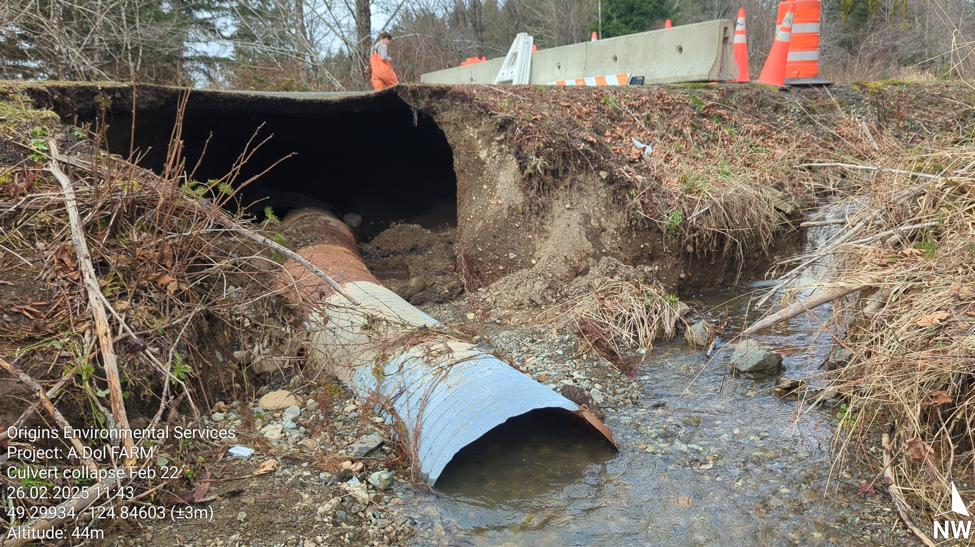
In February 2025, a severe weather event brought intense rainfall to the region, causing significant erosion within the channel and damaging portions of the Phase 1 restoration work.
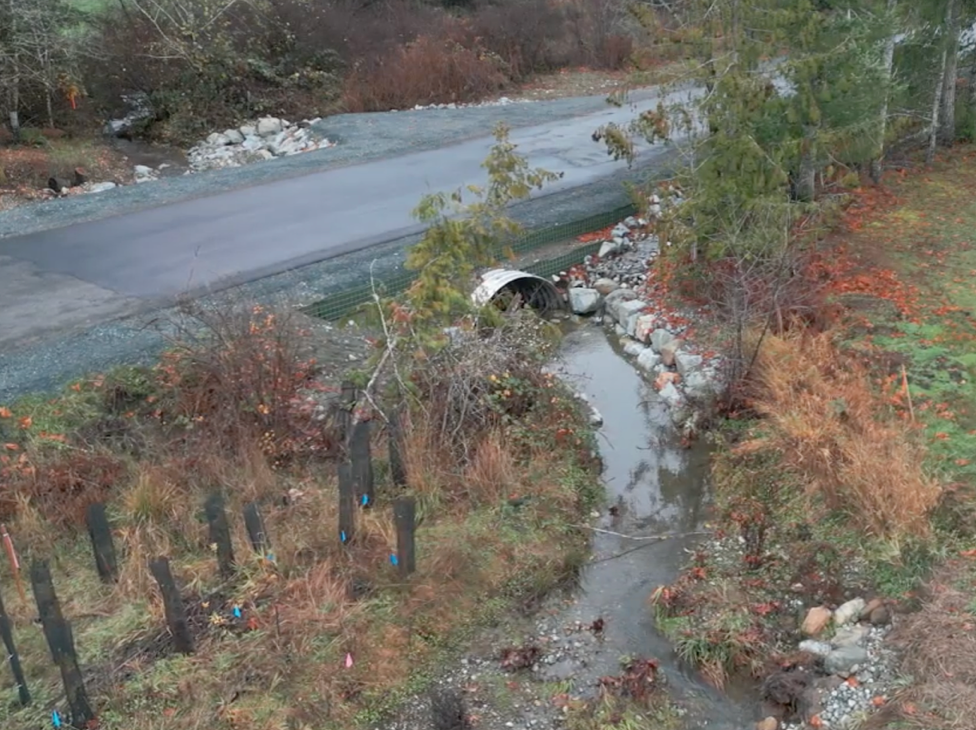
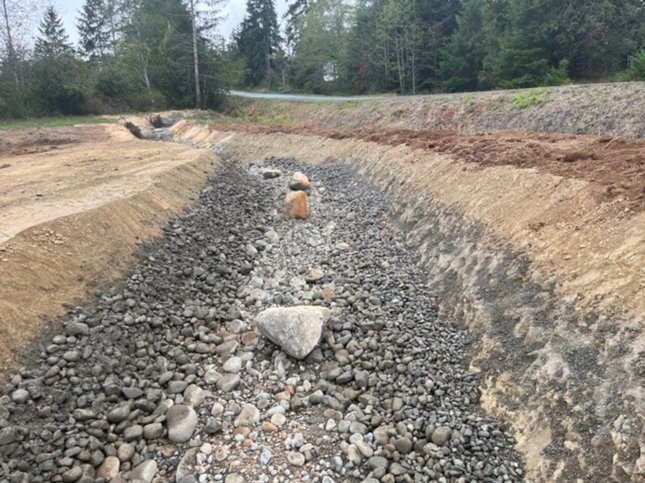
Part of this impact was linked to the aging culvert that had been identified for replacement, which at the time of the storm had not yet been removed. Following the flooding event, the Ministry of Transportation took responsibility and completed the culvert replacement, helping restore more stable water flow through the system.
Phase 2: Strengthening the Creek Corridor
Following the culvert replacement, Phase 2 restoration was initiated in 2025–2026, with the objective of strengthening both banks of the creek and improving long-term channel stability.
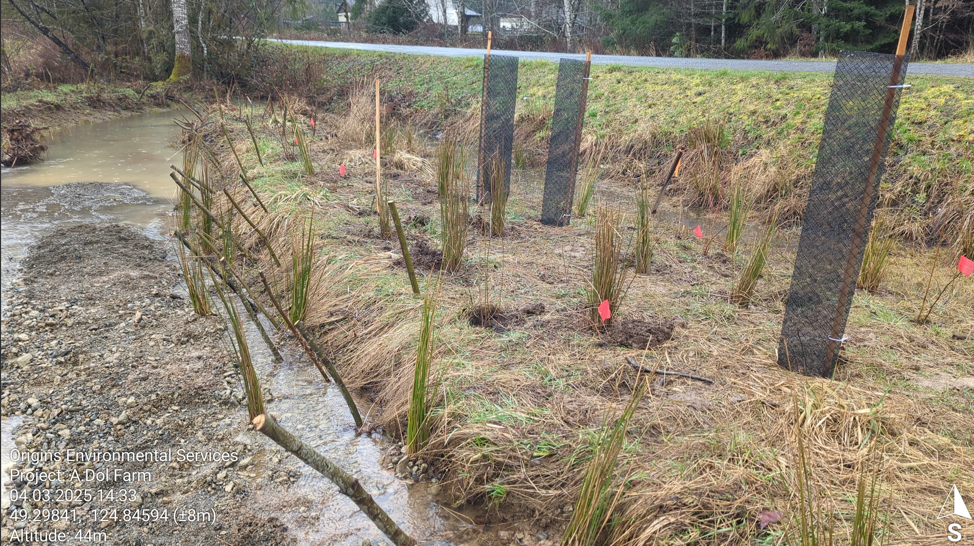
On the east bank, live-staking in the upstream section of the reach is contributing to reinforcing bank stability and improving water quality through the development of a denser canopy above the creek than what existed prior. The continued collaboration with the landowner has focused on planning and designing the future planting area. Dense planting of this bank was put on hold, as the severe channel damage caused by the storm event had to first be addressed. Restoration of this bank is therefore being planned for a future date, at which time planting and bioengineering measures will be implemented to reinforce the bank and enhance habitat complexity.
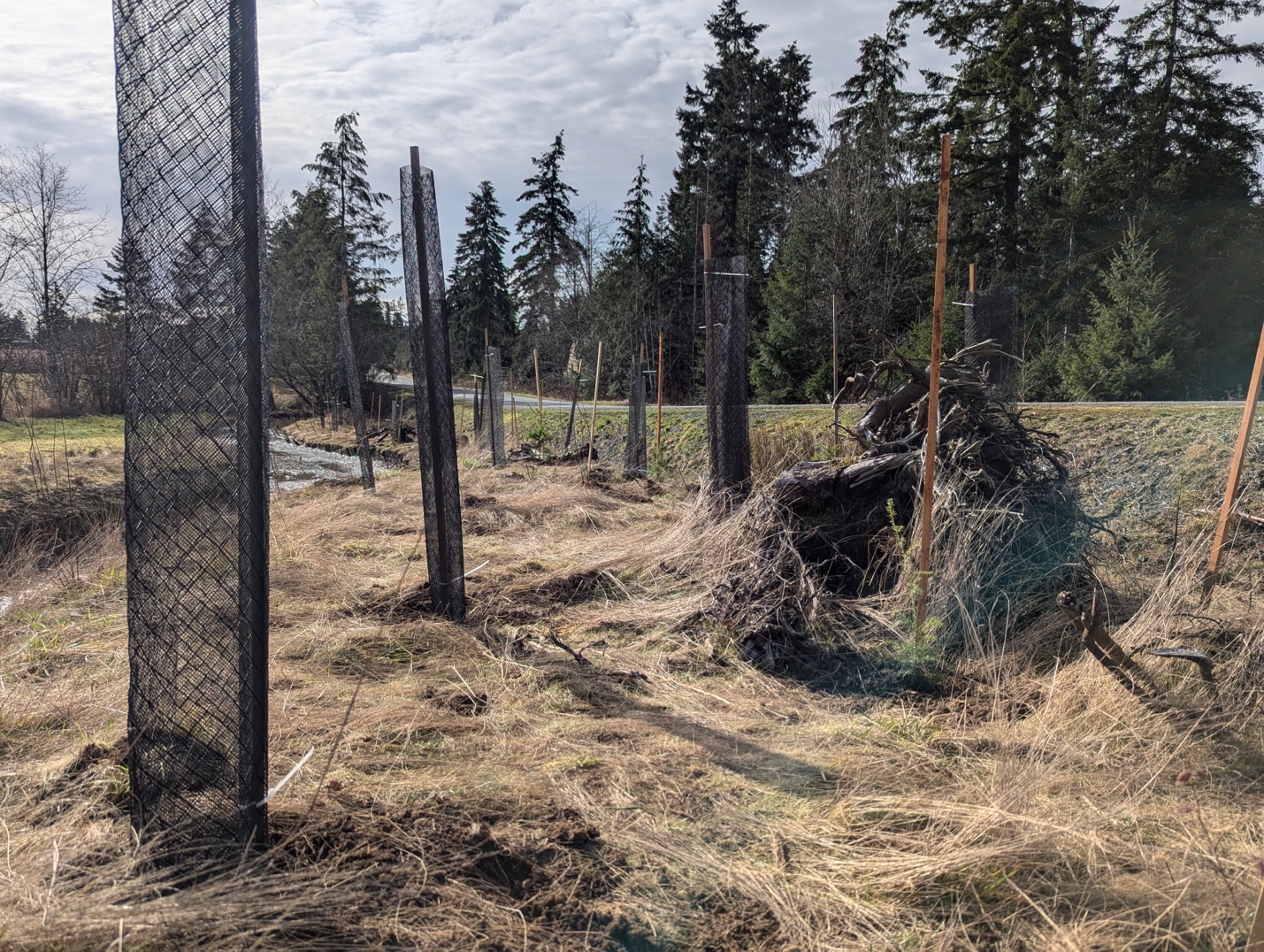
On the west bank, restoration treatments included the addition of another 450 plants to the 600 plants added during Phase 1, and the installation of 150 live stakes to reinforce bank stability and accelerate vegetation growth. The strategic placement of coarse woody debris also increased riparian habitat complexity and provided habitat features for insects and wildlife. Finally, trees and shrubs sensitive to wildlife browsing pressure were equipped with tree guards to promote successful plant establishment.
Together, these measures were designed to secure both banks against erosion while fostering a resilient riparian corridor capable of supporting aquatic and terrestrial species alike.